
Eve Arden: The Wisecracking Icon of Hollywood’s Golden Age
Born April 30
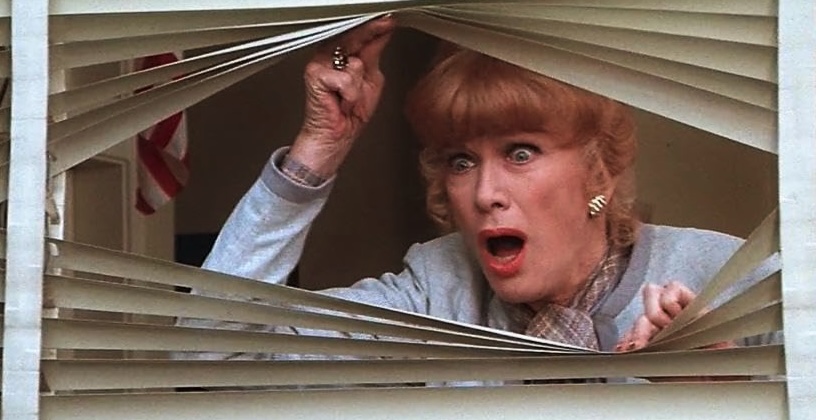
Born Eunice Quedens on April 30, 1908, in Mill Valley, California, Eve Arden carved out a singular niche in American entertainment as the sharp-tongued best friend who could steal a scene with a single raised eyebrow. Her career spanned six decades, from silent films to disco-era musicals, and her distinctive deadpan delivery made her one of the most recognizable character actresses in Hollywood history.
Arden’s transformation from Eunice Quedens to Eve Arden happened almost by accident. When cast in the 1934 Ziegfeld Follies, she needed a stage name quickly. Looking at her cosmetics on the dressing table, she borrowed “Eve” from Evening in Paris perfume and “Arden” from Elizabeth Arden cosmetics. The name stuck, and so did her career trajectory. After honing her craft with the Henry Duffy Stock Company in San Francisco and several Broadway productions, she signed with RKO Radio Pictures in 1937.
Her breakthrough came that same year in Stage Door, where director Gregory La Cava was so impressed with her performance that he expanded her role to give her equal screen time with Katharine Hepburn, Ginger Rogers, and Lucille Ball. The film established Arden’s template: the wisecracking, independent woman who delivered zingers with impeccable timing while maintaining an underlying warmth. This persona would serve her well through over one hundred film appearances.
The Marx Brothers comedy At the Circus in 1939 showcased her versatility, requiring her to perform acrobatics alongside Groucho Marx. She followed this with Comrade X opposite Clark Gable and Hedy Lamarr in 1940, proving she could hold her own against Hollywood’s biggest stars. Throughout the early 1940s, Arden became the go-to actress for the role of the heroine’s sardonic confidante, appearing in films like Manpower with Marlene Dietrich and Cover Girl with Rita Hayworth.
Her most significant film role came in 1945 with Mildred Pierce, where she played Ida Corwin, the loyal friend and business manager to Joan Crawford’s title character. Arden brought depth to what could have been a one-note supporting part, infusing Ida with genuine empathy beneath the wisecracks. The performance earned her an Academy Award nomination for Best Supporting Actress, though she lost to Anne Revere for National Velvet. In 1946, exhibitors voted Arden the sixth-most promising “star of tomorrow,” recognition that came relatively late in her already established career.
While Arden never won an Oscar, she found her greatest success on radio and television with Our Miss Brooks. The show debuted on CBS radio in 1948, with Arden playing Connie Brooks, an English teacher at Madison High School who nursed an unrequited crush on biology teacher Philip Boynton while sparring with the pompous Principal Osgood Conklin. The role was revolutionary for its time, presenting a working woman who was competent, self-sufficient, and funny without sacrificing her femininity. Arden received an honorary membership in the National Education Association and a 1952 award from the Teachers College of Connecticut’s Alumni Association for “humanizing the American teacher.”
The radio show’s success led to a television adaptation in 1952, with the entire cast making the transition. In 1954, Arden won the Emmy Award for Best Female Star of Regular Series, making her one of the first actresses to be recognized by the Television Academy in this category. She received additional Emmy nominations in 1955 and 1956, cementing her status as a television pioneer. The show ran until 1956 on both radio and television, with a feature film version also released in 1956.
Arden continued working steadily in film throughout the 1950s, delivering memorable performances in Otto Preminger’s Anatomy of a Murder in 1959, where she played James Stewart’s wry secretary, and The Dark at the Top of the Stairs in 1960. She returned to television with The Eve Arden Show in 1957-58 and The Mothers-in-Law from 1967 to 1969, though neither achieved the success of Our Miss Brooks.
A new generation discovered Arden when she played Principal McGee in Grease in 1978 and its sequel Grease 2 in 1982. Her appearance in the original Grease introduced her deadpan comedic style to audiences who had never experienced classic Hollywood, proving that her particular brand of humor was timeless. Her final film appearance came in 1982, though she continued working in television until health issues forced her retirement in 1987.
Arden published her autobiography, The Three Phases of Eve, in 1985, reflecting on a career that had taken her from vaudeville to the disco era. She was inducted into the National Radio Hall of Fame in 1995, five years after her death from cancer on November 12, 1990, in Beverly Hills. She left behind two stars on the Hollywood Walk of Fame, one for radio and one for television, testament to her impact across multiple media.
© All rights reserved


You Might Be Interested
Harry Langdon: the childlike face that conquered Hollywood
Council Bluffs, Iowa, June 15, 1884

Box Office Most Watched Movies, 'Disclosure Day' and 'The Furious' are the New Releases
Discover the ranking of the most watched movies in the USA, from Scary Movie to Masters of the Universe, Backrooms: plot
Ben Johnson: The Authentic Cowboy Who Conquered Hollywood
Born June 13, 1918, in Foraker, Oklahoma
Priscilla Lane: The Forgotten Star of Hollywood
Priscilla Lane, born June 12
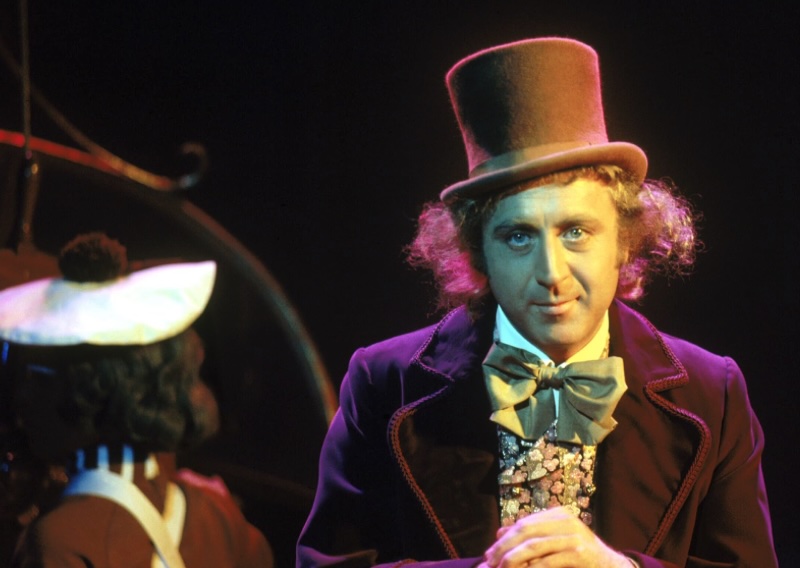
Gene Wilder: The Legacy of a Genius Born on June 11
The Life and Training of Gene Wilder: From Origins to Broadway

Movie Gail Daughtry and the Celebrity Sex Pass, deal with Zoey Deutch, Jon Hamm - plot
Discover Gail Daughtry and the Celebrity Sex Pass, comedy with Zoey Deutch, Jon Hamm. Plot, cast, reviews, trailer
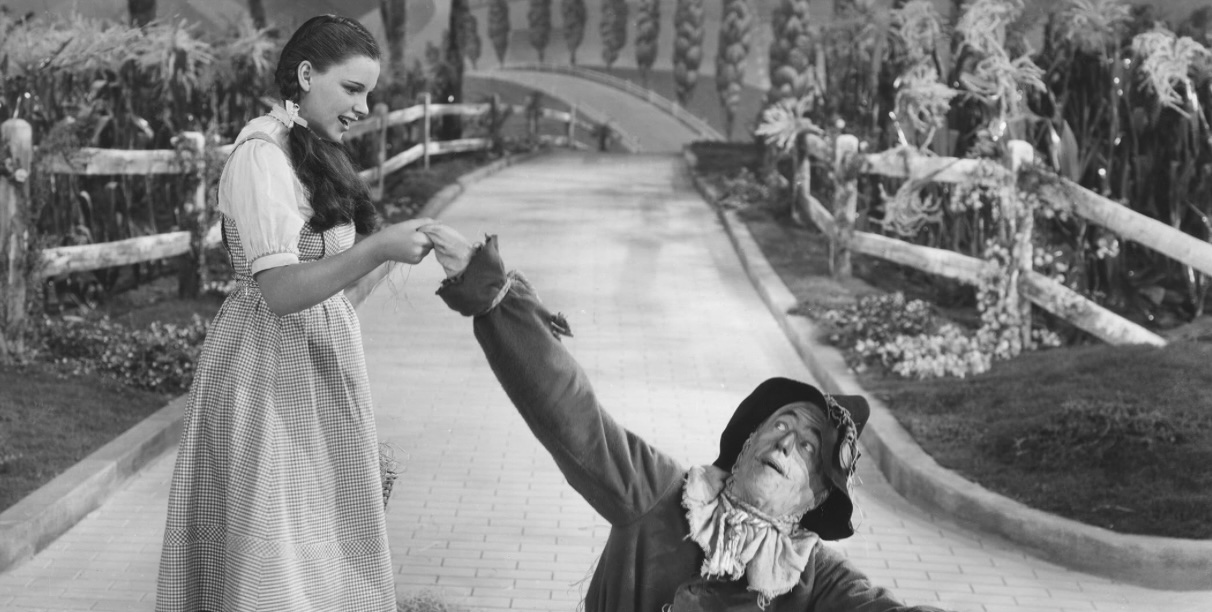
Judy Garland: Life and Career of the Hollywood Icon Born June 10 in Minnesota
Judy Garland’s Film Career and Oscar Awards

Whalefall Thriller Movie: Swallowed, with Josh Brolin, Austin Abrams - Plot
Discover Whalefall, the thriller movie with Josh Brolin and Austin Abrams. Plot, cast, trailer, release date.