
Henry Fonda: Iconic Roles in Cinema
Henry Fonda, Born May 16
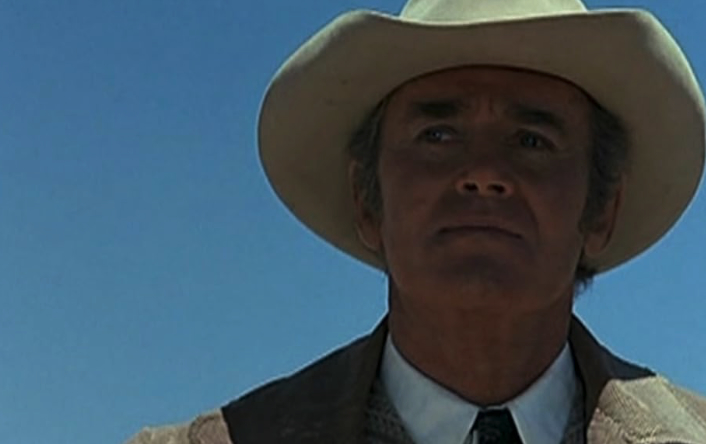
Henry Fonda was born on May 16, 1905, in Grand Island, Nebraska, and died on August 12, 1982, in Los Angeles. His career spanned from 1935 to 1981, with over one hundred films that made him one of the most representative figures of classic American and international cinema. His image as an ordinary, democratic, and non-violent man was solidified through collaborations with directors such as John Ford, Fritz Lang, Sidney Lumet, and Alfred Hitchcock.
Family Origins and Early Steps in American Cinema and Theater
Fonda came from a family with Italian roots dating back to the 14th century, originally from the Genoa area, who moved to the Netherlands and then emigrated to the United States among the first Dutch settlers in New York State. After graduating in journalism from the University of Minnesota, he debuted on Broadway, achieving success and attracting the attention of producer Darryl Zanuck, who offered him a contract with Fox.
Characteristics and Nickname on Set: “One-Take Fonda”
His slender physique, fluid walk, and blue gaze allowed him to portray ordinary men with both virility and vulnerability. On set, he was nicknamed “One-Take Fonda” for his ability to shoot perfect scenes on the first take without the need for retakes.
Memorable Films and First Oscar Nominations
Collaboration with John Ford led to significant roles, such as Abraham Lincoln in Young Mr. Lincoln (1939) and Tom Joad in The Grapes of Wrath (1939), the latter based on Steinbeck’s novel and earning Fonda his first Academy Award nomination for Best Actor. After the war, he worked again with Ford in My Darling Clementine (1946) and Fort Apache (1948).
With Fritz Lang, he filmed You Only Live Once (1937), anticipating themes of justice and judicial error. In 1938, he starred in Jezebel alongside Bette Davis, establishing himself as a leading man.
Military Service during World War II
During World War II, Fonda interrupted his career to enlist in the United States Navy, serving for three years. He started as a third-class seaman on the destroyer USS Satterlee and was promoted to lieutenant in the Air Combat Intelligence Center in the Pacific. He received the Bronze Star and the Navy Presidential Unit Citation.
Hiatus and Return to Cinema with Success on Broadway and Film
Between 1948 and 1955, Fonda focused on theater, winning the Tony Award in 1948 for Mister Roberts, a role he reprised in the 1955 film alongside James Cagney.
Political Roles and Civic Engagement in Cinema
In 1957, Sidney Lumet cast him as Juror Number Eight in 12 Angry Men, portraying the only juror opposing the conviction of a boy accused of murder. The film became a classic and cemented his image as a socially engaged actor. He later played political roles in Advise & Consent (1962) and Fail Safe (1964), bringing pacifist and democratic ideals to the screen.
Western and War Film Roles
Fonda appeared in westerns such as Once Upon a Time in the West (1968), playing a villain, and in war films like The Longest Day, Battle of the Bulge, and Midway, becoming the only American actor featured in three World War II films.
Final Film and Academy Award
In the 1970s, he accepted roles in less prestigious productions. His last film was On Golden Pond (1981), directed by Mark Rydell, starring Katharine Hepburn and his daughter Jane Fonda. The film tells the story of a retired professor facing old age and his relationship with his daughter.
His performance earned him the Academy Award for Best Actor in 1982, his second nomination after 42 years. Ill and unable to attend the ceremony, his daughter Jane accepted the award on his behalf.
Death and Cinematic Legacy
Henry Fonda died on August 12, 1982, at age 77. The Oscar for On Golden Pond remains the only official recognition of his career, which defined the image of honest and democratic America in classic cinema.
© All rights reserved

You Might Be Interested
Harrison Ford: The Icon of the Cinematic Hero
Born July 13, 1942

Box Office Most-Watched Movies, 'Moana' and 'Evil Dead Burn' Are the New Entries
Discover the ranking of the most-watched movies in the USA, from Moana to Minions & Monsters and Evil Dead Burn: plot an
Sela Ward: A Career Between Television and Film
Born July 11
Lioness Season 3: Updates on the Third Season with Nicole Kidman, Zoe Saldaña, Morgan Freeman
Discover the release date, full cast, and streaming options of Lioness Season 3, the espionage thriller series available
Sofía Vergara: Career and Recent Developments
Born July 10, 1972, Barranquilla, Colombia

Action Movie Above & Below, the Shark Attack with Antonio Banderas, Laura Marano - Plot
Above & Below: plot, cast, trailer and release of the thriller with Antonio Banderas and Laura Marano.
Tom Hanks: Seventy Years of American Cinema
Born July 9, 1956, in Concord, California

Dune: Part Three: Sequel Updates - Plot and New Trailer
Discover Dune Part Three, the film starring Timothee Chalamet, Zendaya, and Rebecca Ferguson. Plot, cast, and release da