
Metropolis 1927: Fritz Lang’s Masterpiece Turns One Hundred and Returns in 2027
The March 1927 Premiere
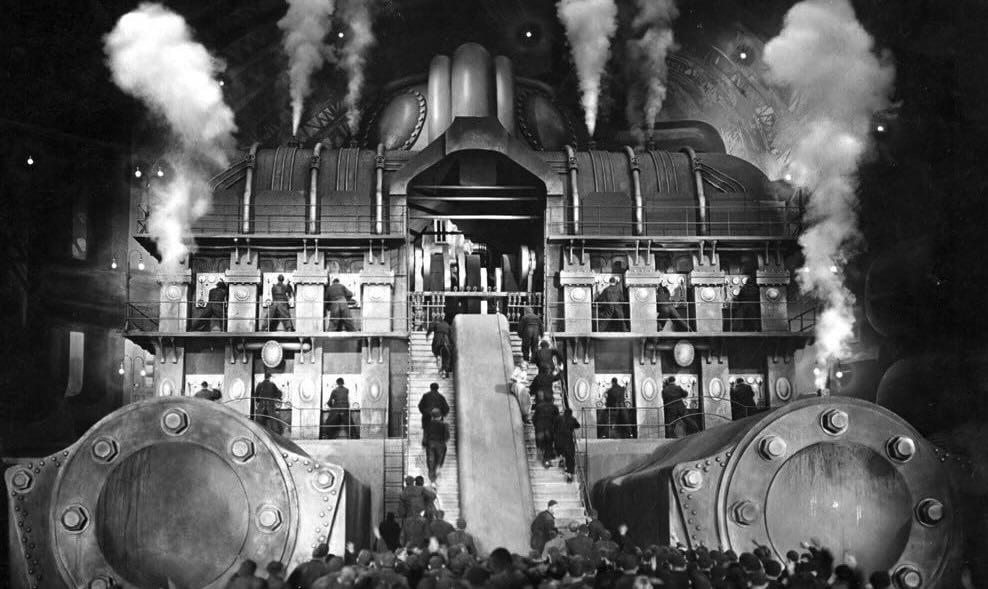
Metropolis, a film that marked a turning point in the science fiction genre, celebrates its centenary in 2027 with a series of special events worldwide. Directed by Fritz Lang, the film was first presented in Berlin on January 10, 1927, and reached U.S. theaters on March 13 of the same year, in a version already altered from the original German cut. To mark one hundred years since its release, screenings accompanied by new orchestral scores are planned, including one conducted by Ben Palmer, who reworked Gottfried Huppertz’s original composition. Additionally, composer Don Davis, known for his work on the Matrix trilogy, created an original soundtrack that complements the film, establishing a dialogue between past and present.
The filming of Metropolis extended over seventeen months between 1925 and 1926, a considerable duration for the period. The production involved thirty-six thousand extras and over two hundred thousand costumes, created at the Babelsberg studios. Brigitte Helm, the film’s lead, played the dual role of Maria and her robotic alter ego at only seventeen years old. The young actress, initially oriented toward an astronomy career, faced particularly demanding working conditions. She wore a rigid metal costume that prevented her from sitting and underwent repeated immersions in cold water for scenes set in flooded catacombs. Fritz Lang, known for his meticulousness, required numerous takes for each scene, subjecting the cast to an intense and prolonged pace.
The film’s budget, amounting to five million Reichsmarks, represented a significant investment that strained the production company UFA. The cast included Gustav Fröhlich as Freder, Alfred Abel as Joh Fredersen, and Rudolf Klein-Rogge as the scientist Rotwang. The cinematography, handled by Karl Freund and Günther Rittau, featured sets inspired by Bauhaus, Futurism, and Cubism, with Gothic elements in the underground sequences.
The 1927 critical reception of Metropolis was mixed. Some viewers applauded the most spectacular sequences during the Berlin premiere, while others expressed disapproval. Among the harshest reviews was that of writer H.G. Wells, who described the film as a naive and implausible portrayal of future social dynamics, accusing it of plagiarizing his novel "The Sleeper Awakes." Wells contested the idea that in a technologically advanced future workers would still be subjected to slavery-like conditions, arguing that automation should have freed humans from labor. Other critics acknowledged the visual impact and ambition of the project, while noting some narrative weaknesses.
Distribution in the United States was managed by Parufamet, a company created by Paramount and MGM to financially support UFA. The American version underwent significant cuts, removing references to the character Hel and simplifying the plot. Fritz Lang expressed his dissatisfaction with these changes, stating he would no longer work in the United States due to the treatment of his film. The American cut ran approximately 116 minutes, compared to the original 153 minutes.
Despite the lack of significant awards in subsequent years, Metropolis exerted a lasting influence on cinema, inspiring works such as Blade Runner, Star Wars, Brazil, and The Matrix. In 2001, the film was included in UNESCO’s Memory of the World Register, recognizing its cultural value. A 2010 restoration, based on material found in Buenos Aires in 2008, recovered about twenty-five minutes of previously lost footage. This restoration received recognition from the New York Film Critics and nominations for the Saturn Awards.
Today, Metropolis is regarded as a landmark of German Expressionist cinema and science fiction. Fritz Lang, however, maintained a critical stance toward the film’s final message, describing the proposed resolution as childish and emphasizing that the issue addressed was social rather than moral. This position did not prevent the film from consolidating its status as a visionary masterpiece and influencing generations of filmmakers.
© All rights reserved


You Might Be Interested

Harrison Ford: The Icon of the Cinematic Hero
Born July 13, 1942

Box Office Most-Watched Movies, 'Moana' and 'Evil Dead Burn' Are the New Entries
Discover the ranking of the most-watched movies in the USA, from Moana to Minions & Monsters and Evil Dead Burn: plot an
Sela Ward: A Career Between Television and Film
Born July 11
Lioness Season 3: Updates on the Third Season with Nicole Kidman, Zoe Saldaña, Morgan Freeman
Discover the release date, full cast, and streaming options of Lioness Season 3, the espionage thriller series available
Sofía Vergara: Career and Recent Developments
Born July 10, 1972, Barranquilla, Colombia

Action Movie Above & Below, the Shark Attack with Antonio Banderas, Laura Marano - Plot
Above & Below: plot, cast, trailer and release of the thriller with Antonio Banderas and Laura Marano.

Tom Hanks: Seventy Years of American Cinema
Born July 9, 1956, in Concord, California
Dune: Part Three: Sequel Updates - Plot and New Trailer
Discover Dune Part Three, the film starring Timothee Chalamet, Zendaya, and Rebecca Ferguson. Plot, cast, and release da