
The Passion of Joan of Arc: The Return of Dreyer’s Silent Cinema Icon to US Theaters in 2027
Film by Carl Theodor Dreyer, 1928
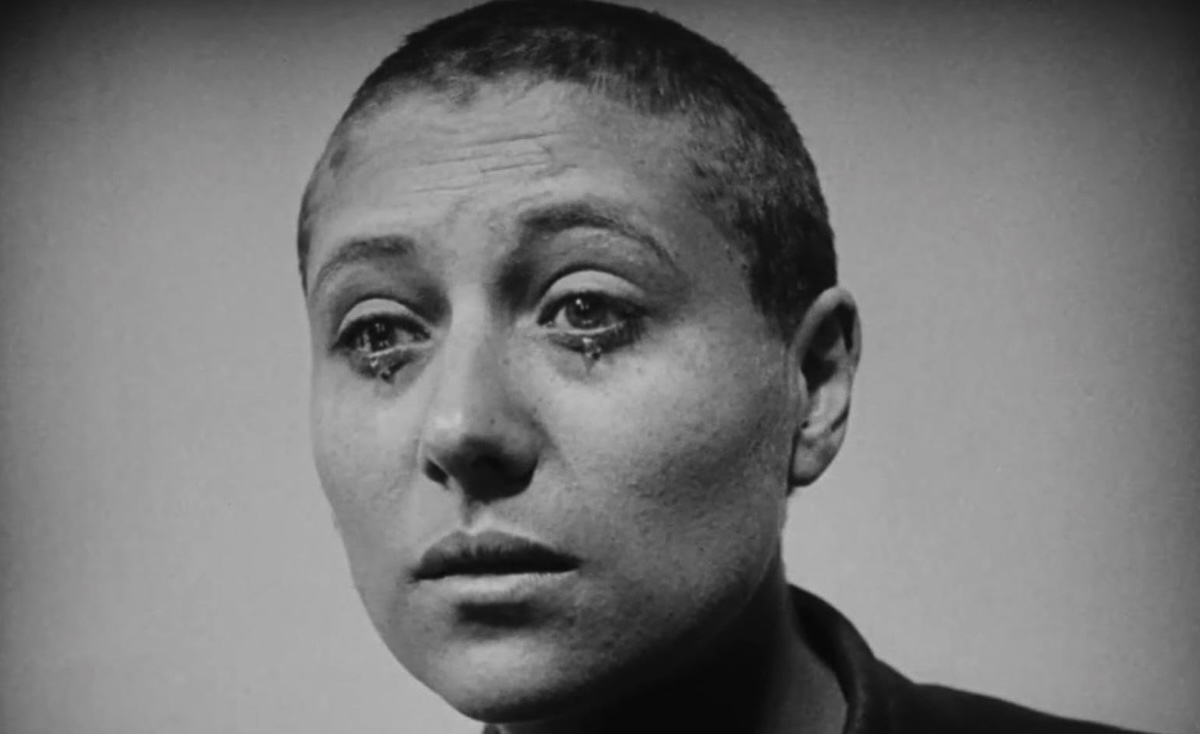
In March 1929, The Passion of Joan of Arc premiered in United States cinemas, presenting a narrative and visual approach that was innovative for its time. Danish director Carl Theodor Dreyer, already known in Europe, created a work that diverged from the traditional conventions of silent cinema. In March 2027, the film will be screened again in the United States during a special presentation held alongside the centennial celebrations of Metropolis, Fritz Lang’s 1927 film, presented under the title “Metropolis 2027 - The 100 Year Anniversary Presentation.”
The film’s production was marked by strict technical and directorial choices. Dreyer required the actors to perform without makeup, an unusual practice for the period. Renée Maria Falconetti, a French stage actress in her only film role, underwent prolonged shooting with numerous takes per scene, as the director aimed to capture every expressive detail of her face. The sets were designed with low ceilings and narrow corners to create a claustrophobic atmosphere, which influenced the actors’ performances. Filming lasted several months, and Falconetti did not return to film acting after this experience.
The cast mainly consisted of French stage actors, many of whom were non-professionals. Antonin Artaud played the monk Jean Massieu, Eugene Silvain the bishop Pierre Cauchon, while Michel Simon had a minor role. Dreyer preferred unconventional faces, with physical features that conveyed stories through imperfections and signs of age. During filming, the camera was often running even during breaks to capture spontaneous expressions later included in the final edit.
The extensive use of close-up shots represented a technical and stylistic innovation that surprised even experienced operators. The sets were painted white to enhance contrasts, and lighting was arranged to create sharp, defined shadows. Cinematographer Rudolph Maté employed panchromatic film, allowing a broader tonal range compared to previous film stocks. Tilted and oblique framing contributed to a sense of visual disorientation, designed to immerse the viewer in the atmosphere of the inquisitorial trial.
At the time of release, the film did not receive official awards, as international film festivals were not yet established in their current form. European critics welcomed it positively, acknowledging its artistic value, while the response in the United States was more cautious. Some reviews noted the difficulty of accessibility for general audiences. The film underwent censorship in several countries: in Great Britain, some close-ups deemed too intense were cut, while in certain US regions concerns were raised about the depiction of the religious trial.
Over the years, The Passion of Joan of Arc has assumed a significant place in film history. It has been repeatedly included in rankings of the greatest films ever made, holding prominent positions in specialized publications and international festivals. Falconetti’s performance has been recognized as one of the most important in silent cinema. The film has been the subject of academic study and restorations that have highlighted its aesthetic and historical significance.
The film’s physical history is complex. The original version was destroyed in a fire in 1928, shortly after the Paris premiere. Dreyer produced a second version, which was also lost in another fire in 1929. For many years, the film circulated only in incomplete or altered copies. In 1981, an almost complete copy was discovered by chance in a Norwegian psychiatric hospital, enabling a reconstruction as faithful as possible to the original version.
Currently, The Passion of Joan of Arc is studied in universities as an example of contemplative cinema and expressive use of close-ups. It is recognized for its influence on cinematographic technique and dramatic representation. The film has been included in official lists of significant works in the fields of religion and cinematic art.
© All rights reserved
You Might Be Interested
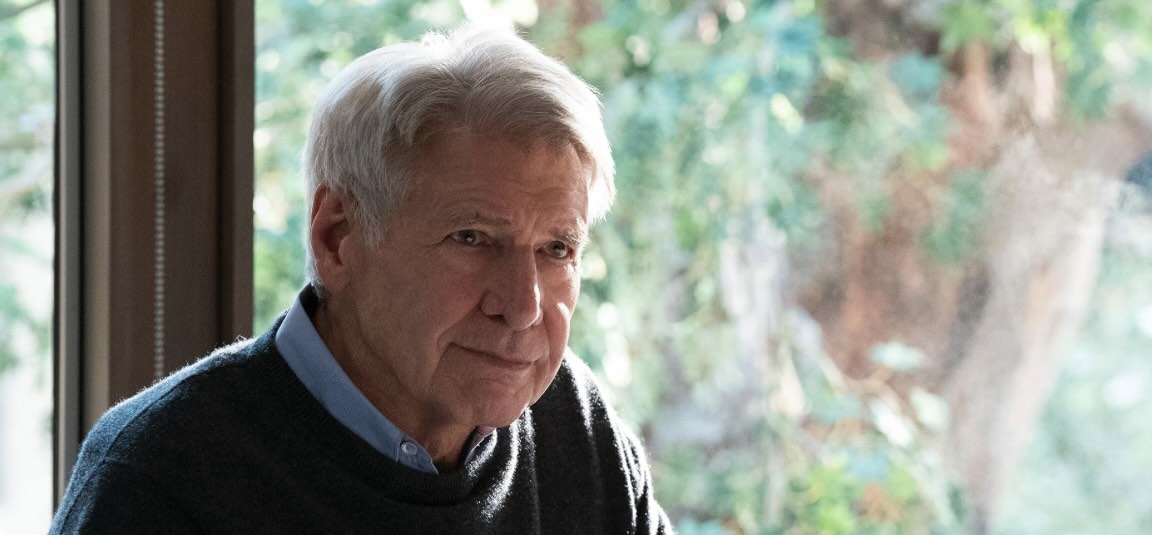
Harrison Ford: The Icon of the Cinematic Hero
Born July 13, 1942

Box Office Most-Watched Movies, 'Moana' and 'Evil Dead Burn' Are the New Entries
Discover the ranking of the most-watched movies in the USA, from Moana to Minions & Monsters and Evil Dead Burn: plot an
Sela Ward: A Career Between Television and Film
Born July 11
Lioness Season 3: Updates on the Third Season with Nicole Kidman, Zoe Saldaña, Morgan Freeman
Discover the release date, full cast, and streaming options of Lioness Season 3, the espionage thriller series available
Sofía Vergara: Career and Recent Developments
Born July 10, 1972, Barranquilla, Colombia

Action Movie Above & Below, the Shark Attack with Antonio Banderas, Laura Marano - Plot
Above & Below: plot, cast, trailer and release of the thriller with Antonio Banderas and Laura Marano.
Tom Hanks: Seventy Years of American Cinema
Born July 9, 1956, in Concord, California

Dune: Part Three: Sequel Updates - Plot and New Trailer
Discover Dune Part Three, the film starring Timothee Chalamet, Zendaya, and Rebecca Ferguson. Plot, cast, and release da