
Tribeca Film Festival: In Conversation with Carlitos Ruiz-Ruiz
Summer of Three: A Life-Altering Season for Three Teens
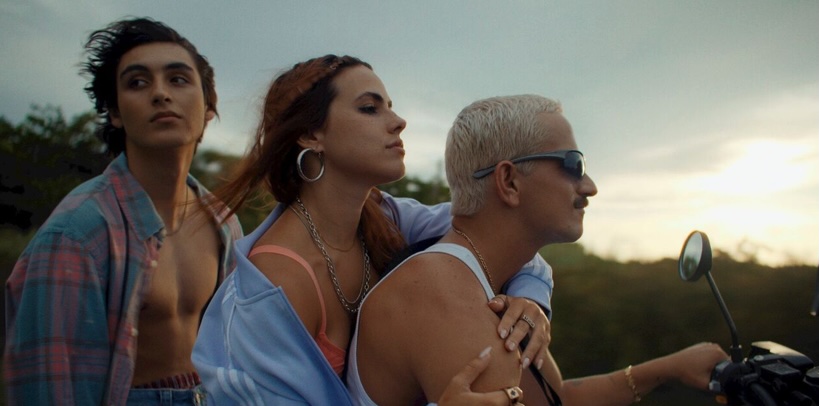
Carlitos Ruiz-Ruiz arrives at Tribeca with Summer of Three, a film capturing a defining summer in the lives of three teenagers who, despite coming from entirely different backgrounds, find themselves sharing the same space, time, and teenage anxieties. What inspired you to tell this summer tale, and did any autobiographical elements influence its creation?
The seed for this story grew out of a brainstorm between Marcel and me, as we searched for a narrative that could serve as a vehicle for a collaboration between us. We knew we wanted it to be a coming-of-age story inspired by our own memories of being young during a Puerto Rican summer. So, we began sharing stories of our experiences growing up in the island, gradually shaping the scenes and characters that would give life to the story. Because of this, there are many autobiographical elements in Summer of Three; while it remains a work of fiction, it is filled with elements that are deeply personal to both of us.
The title implies a delicate equilibrium among three central characters. How did you develop their relationships to avoid coming-of-age stereotypes and build genuine emotional tension?
The title is ideal in the sense that this movie is about the trio and the journey is held by the energy of their friendship. We decided to base the story on those kinds of explosive friendships we’ve all had at some point in our lives, especially during our teenage years—the kind where the chemistry is so powerful you never want to be apart. Instead of leaning into clichés, we wanted to focus on creating bigger-than-life personalities brought together by fate for a summer that will change their lives forever. Ultimately, we built the narrative around this special chemistry between friends, knowing it would captivate the audience, creating a sense of nostalgia and sweeping them away on this summer adventure.
Summer is a classic catalyst for transformation in coming-of-age cinema. How did you utilize the locations, lighting, and narrative pacing to make the setting a driving force of the plot?
In the first act of the movie, Javi lands in Puerto Rico, forced by his mom's idea to reconnect with his father's side of the family. He isn’t happy about this trip at all, and we reflect that through the way he is almost attacked by the tropical elements of the island. Mosquitoes bite him, the heat is unbearable and there’s no AC, noisy little frogs (coquíes) and roosters won't let him sleep, the setting reminds him of his late father, and everyone is grieving the death of a grandfather he feels nothing for. In short, he is having the worst summer of his life—until he meets Luife and Kiki, two locals who take him on an adventure across the island. At that moment, the cinematography evolves, the visuals turn bright and colorful, and we are amazed by the beauty of the scenery. The colors, and the sounds of the island intensify, captivating not only Javi but also the audience, who experience those exact same emotions alongside our main character. The island is definitely another crucial character in the story and we treat it as such.
Ensemble films live or die by the chemistry of their cast. What was your approach to directing the actors, particularly during the film's most intimate or confrontational moments?
We knew we wanted the chemistry between the characters to be the driving force of the movie. So, we looked for actors who possessed the qualities of the characters, but who could also bring their own personalities into the roles. Once we got that right with Marcel, Paolo, and Kiki, we knew we wanted their friendship to feel real and genuine.
My years as an improv teacher worked in our favor; I shared with my cast the tools, exercises, and philosophy I learned during my time at The Groundlings School in LA. This proved to be essential in creating a bond between them. On top of that, they started hanging out in real life, almost everyday, months before shooting started. By the time we got to set, they loved each other so much that it spread to the entire cast and crew. We created the correct environment for them to play; but they truly lived in that world and hit their stride in every scene.
At its core, Summer of Three tackles growth, desire, and tough choices. What is the ultimate takeaway you hope audiences gather from this central trio's journey?
After watching Summer of Three, I would like people to realize that life is a delicate adventure, one where we must strive to stay present in order to make the absolute most of it. A journey where every feeling matters, and the importance that we experience them all—the joy just as much as the pain. Love is an incredibly powerful force, and we must be grateful for any form of love that exists in our lives, because we never know when it might fade away.
Who is Carlitos Ruiz-Ruiz in everyday life, and which directors have most inspired your filmmaking career?
I chose to follow my passion as my career path, so I put my whole heart into everything I do, turning myself into a creative humanist who enjoys every breath of life. I wake up grateful next to my beautiful girlfriend—a gift from the universe for being a good human being—and I try to absorb every moment and feeling that life throws at me.
My days are split between writing, talking to clients, answering emails, developing treatments, directing commercials, doing interviews, participating in creative brainstorms, shooting portraits, color-correcting images, talking to students, editing videos, budgeting, developing project strategies, and meditating. I try to set aside time for mundane, lighthearted conversations with friends and colleagues that always end up being deeper than what I expected. I finish my days with a little Salsa dancing—one of my favorite things.
Many directors have inspired me throughout my career—most of them because they explore the complexities of the human condition through intimate stories with characters who grow in our hearts. Among the filmmakers who inspired me most for this film are Sean Baker, Lucrecia Martel, The Safdie Brothers, Damián Szifron, Noah Baumbach, Chloé Zhao, Pedro Almodóvar, Richard Linklater, Francois Truffaut and Guillermo del Toro.
What is next for you? Do you have any future projects you can tease for your fans?
Right now, our focus is on the festival run and distribution for Summer of Three. However, as part of the development work for this script (which won Best Screenplay at Tribeca), we created The Storytellers Workshop. Through it, we develop frameworks for writing deep, entertaining stories that reflect our identity and captivate the audience. Thanks to this workshop, we now have several comedy scripts ready for production, one of which revisits the coming-of-age theme. In the meantime, we are also developing an autobiographical comedy series.
© All rights reserved
You Might Be Interested
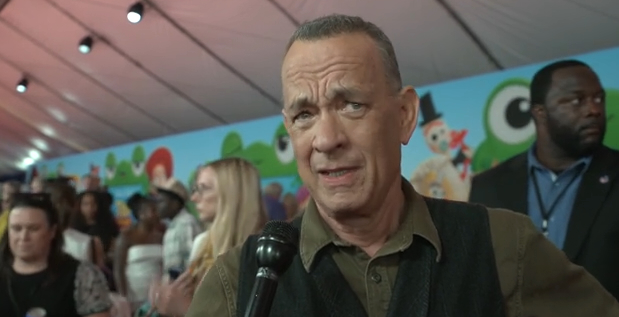
Toy Story 5, World Premiere, Tom Hanks interview
The statements of Tom Hanks
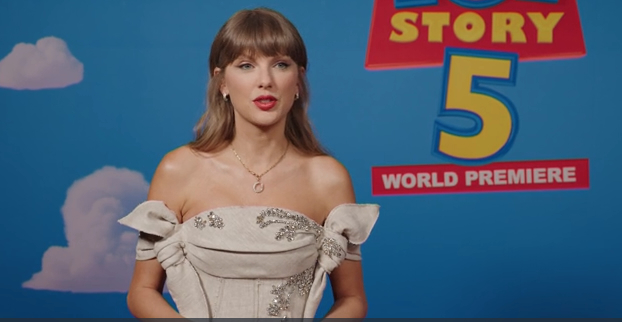
Toy Story 5, World Premiere, Taylor Swift interview
The statements of Taylor Swift
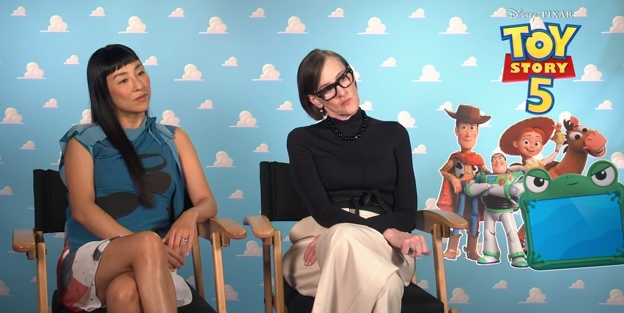
Toy Story 5, Joan Cusack and Greta Gerwig interview
The statements of Joan Cusack and Greta Gerwig
Disclosure Day, Steven Spielberg and and Colman Domingo interview
The statements of Steven Spielberg and Colman Domingo
Disclosure Day, Emily Blunt interview
The statements of Emily Blunt and Josh O’Connor

Cape Fear, LA Premiere, Amy Adams, Javier Bardem and Lily Collias interview
The statements of Amy Adams, Javier Bardem and Lily Collias - Streaming starting June 5

Natalie Moon Interview
In the cast of *Backrooms*, directed by Kane Parsons

Scary Movie, Olivia Rose Keegan interview
The statements of Olivia Rose Keegan