
Glenn Ford: The Man Hollywood Never Awarded
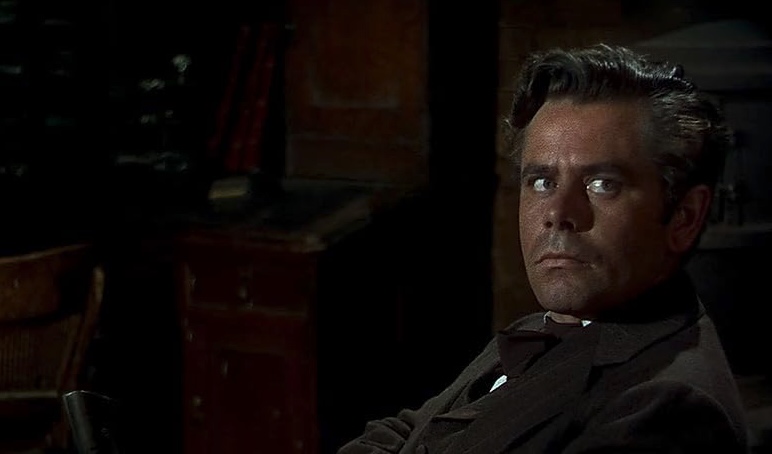
Born on May 1, 1916, in Sainte-Christine-d’Auvergne, Quebec, Canada, Gwyllyn Samuel Newton Ford built a career spanning five decades without ever receiving an Oscar nomination. Yet, for fifty-two years, his name on movie posters guaranteed steady box office returns and full theaters.
Columbia Pictures signed him in 1939, the same year Ford obtained American citizenship. His first significant role came with "Heaven with a Barbed Wire Fence," but it was the 1941 film "So Ends Our Night" that caught critical attention. The New York Times noted that Ford "brought more substance and simplicity to his role than anyone else in the cast." He worked alongside Fredric March, an Academy Award winner, and Margaret Sullivan, an Oscar nominee for "Three Comrades." At twenty-five, Ford demonstrated he could hold his own among the greats.
His rise was interrupted by the war. In 1942, he enlisted in the Marine Reserve, serving in the Photographic Section until 1944, when he was discharged due to ulcers. He returned to film with "Gilda" in 1946, starring opposite Rita Hayworth. The film became a cult classic, selected in 2013 for the Library of Congress's National Film Registry. The chemistry between Ford and Hayworth was strong enough that they made five films together. "Gilda" grossed six million dollars worldwide, a significant sum for the time, and cemented Ford as a star of film noir.
The 1950s marked the peak of his career. The 1953 noir "The Big Heat," also included in the National Film Registry, showed him in a tough role, far from the romantic image of "Gilda." In 1955, "Blackboard Jungle," a controversial film about juvenile delinquency, scandalized postwar America. The film was withdrawn from the Venice Film Festival at the request of American ambassador Clare Boothe Luce, who considered it a distorted portrayal of American life. In Britain, it sparked riots in cinemas, with teenagers destroying seats. Gossip columnist Hedda Hopper refused to speak to Ford for years, accusing him of being a communist. Yet the film entered the National Film Registry and launched Bill Haley's "Rock Around the Clock," contributing to the explosion of rock and roll.
Ford dominated the box office between 1955 and 1964, appearing for ten consecutive years in Quigley's list of the twenty-five most profitable actors. In 1956, 1958, and 1959, he entered the top ten, reaching first place in 1958. He worked in westerns like the 1957 "3:10 to Yuma," another title preserved in the National Film Registry, and in comedies such as "Don't Go Near the Water" and "The Gazebo." In 1961, he won the Golden Globe for Best Actor in a Comedy or Musical for Frank Capra's "Pocketful of Miracles," after three consecutive nominations in 1957, 1958, and 1962.
The Oscar, however, never came. Not even a nomination. Ford did not complain publicly, but his work philosophy revealed a different approach from his peers. In a 1975 interview, he stated: "I always try to see how many lines I can cut. I tell producers and directors: 'Do me a favor and reduce that speech to four lines.' You can say just as much in four lines as in fourteen." He preferred silence to verbosity, convinced that the audience should work with imagination.
Unlike Kirk Douglas and John Wayne, who founded production companies, Ford tried the experience only once, with "Pocketful of Miracles." He did not repeat it. "No actor can tell Frank Capra how to make a movie," he explained. He avoided independent producers promising millions with mediocre scripts and tight budgets. "It doesn't take many of those films before you're finished," he observed in 1960.
His rival at Columbia, William Holden, won the Oscar for "Stalag 17" and earned two more nominations. Holden frequented Hollywood bars, boasted of his romantic conquests, and drank heavily. He died in 1981 during a binge, at sixty-three. Ford continued working until 1991, when a series of strokes stopped him. He never quarreled with directors or producers, never made scandalous headlines, and did not frequent social gatherings. He did his job and moved on to the next film.
In 1978, he accepted the role of Jonathan Kent in "Superman," the adoptive father of Clark Kent. In his final scene, "Rock Around the Clock" plays on the radio, a tribute to "Blackboard Jungle." In 2006's "Superman Returns," a photograph of him appears on the mantelpiece next to Eva Marie Saint. Ford died on August 30, 2006, in Beverly Hills, at ninety. A few months earlier, too ill to attend a gala organized by the American Cinematheque for his ninetieth birthday, he recorded a video message for the audience. Martin Landau, Shirley Jones, Jamie Farr, and Debbie Reynolds paid tribute to him in person.
Five of his films are in the National Film Registry: "Gilda," "The Big Heat," "Blackboard Jungle," "3:10 to Yuma," and "Superman." In 1987, he received the Donostia Award at the San Sebastián Festival, and in 1992 the Légion d’honneur for his actions during World War II. He has a star on the Hollywood Walk of Fame at 6933 Hollywood Boulevard. An asteroid, 3852 Glennford, bears his name.
© All rights reserved

You Might Be Interested
Harry Langdon: the childlike face that conquered Hollywood
Council Bluffs, Iowa, June 15, 1884
Box Office Most Watched Movies, 'Disclosure Day' and 'The Furious' are the New Releases
Discover the ranking of the most watched movies in the USA, from Scary Movie to Masters of the Universe, Backrooms: plot
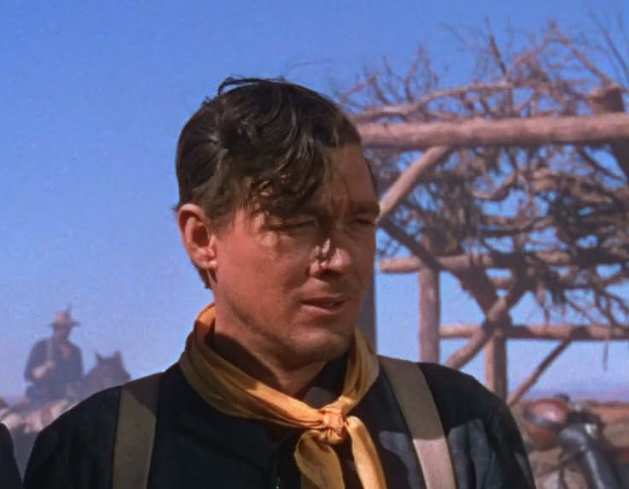
Ben Johnson: The Authentic Cowboy Who Conquered Hollywood
Born June 13, 1918, in Foraker, Oklahoma
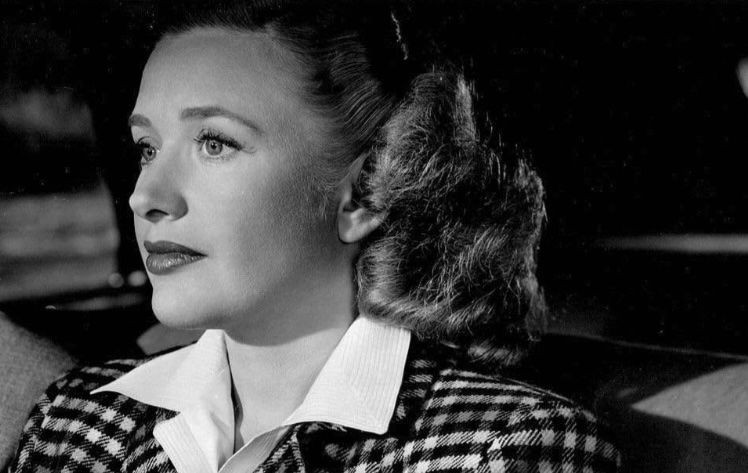
Priscilla Lane: The Forgotten Star of Hollywood
Priscilla Lane, born June 12
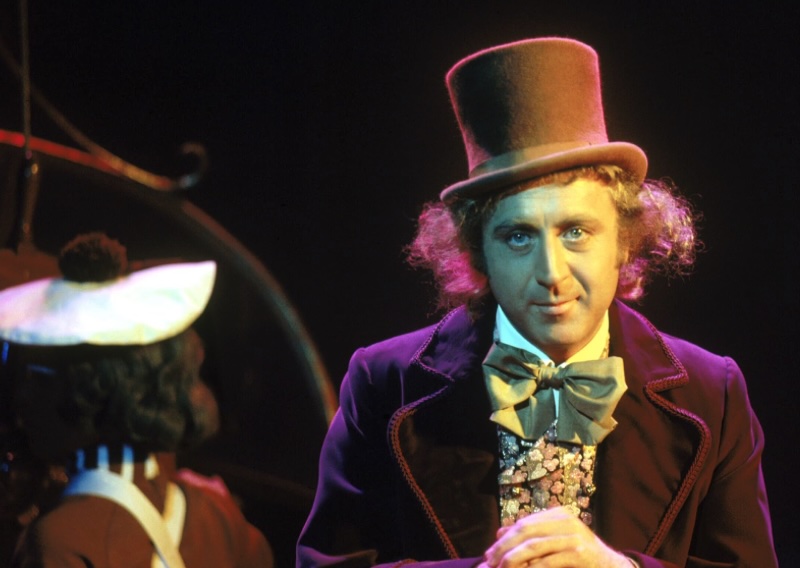
Gene Wilder: The Legacy of a Genius Born on June 11
The Life and Training of Gene Wilder: From Origins to Broadway
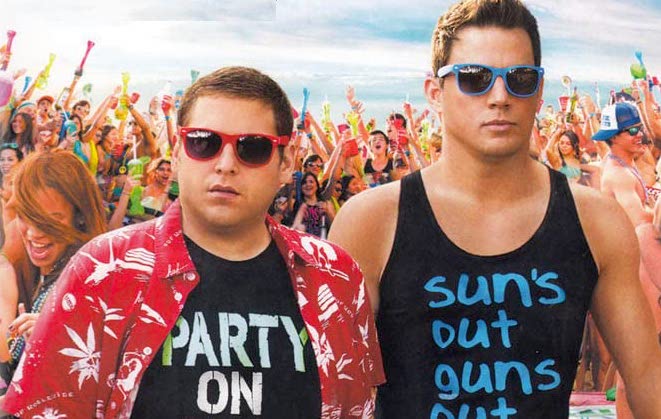
Movie Gail Daughtry and the Celebrity Sex Pass, deal with Zoey Deutch, Jon Hamm - plot
Discover Gail Daughtry and the Celebrity Sex Pass, comedy with Zoey Deutch, Jon Hamm. Plot, cast, reviews, trailer
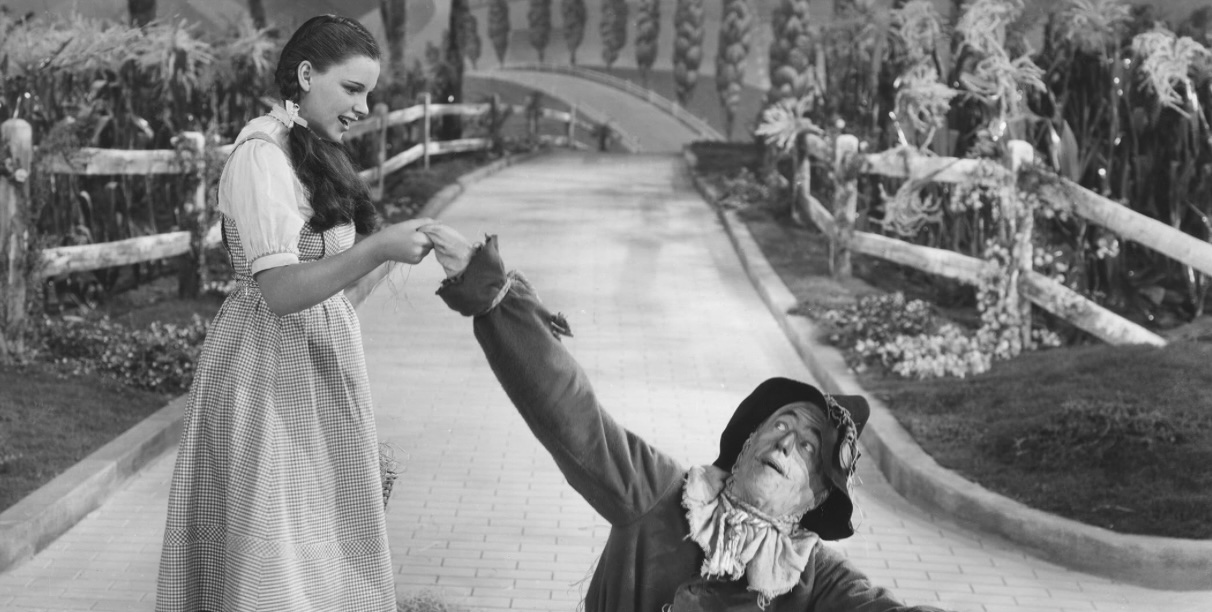
Judy Garland: Life and Career of the Hollywood Icon Born June 10 in Minnesota
Judy Garland’s Film Career and Oscar Awards
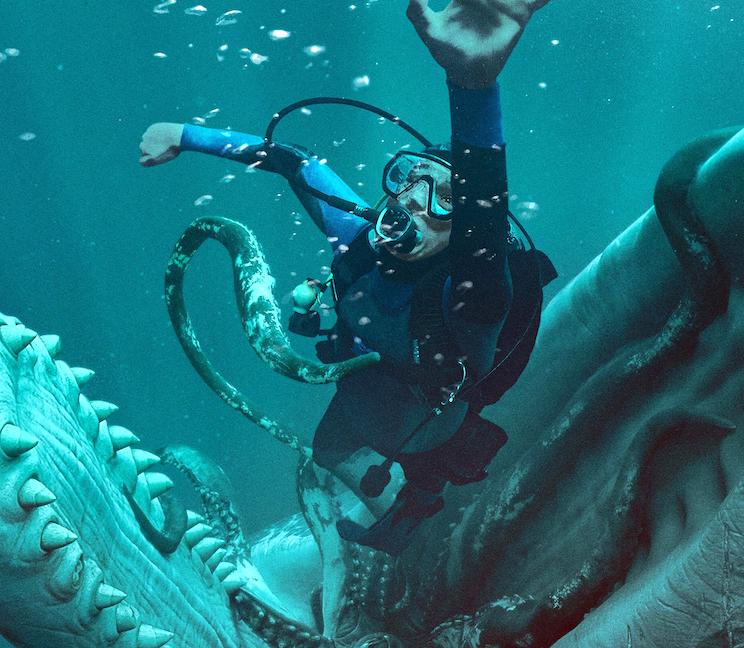
Whalefall Thriller Movie: Swallowed, with Josh Brolin, Austin Abrams - Plot
Discover Whalefall, the thriller movie with Josh Brolin and Austin Abrams. Plot, cast, trailer, release date.