
Ingmar Bergman: The Architect of Modern Cinema
Born July 14, 1918
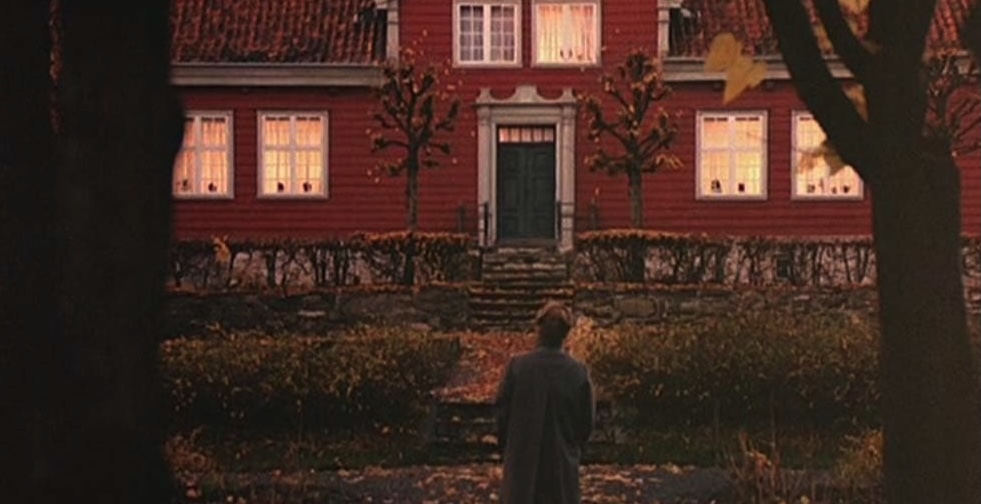
Ingmar Bergman’s career stands as a cornerstone in the evolution of 20th-century cinema, marked by a prolific output that spans over six decades. Emerging from Sweden, Bergman’s work is often associated with intense psychological exploration and existential themes, a style that has influenced filmmakers worldwide. His early career began in theater and radio before transitioning to film direction in the 1940s, where he quickly established a reputation for probing the human condition with unflinching honesty.
Among his most significant films, The Seventh Seal (1957) remains a defining work, notable for its iconic imagery and philosophical inquiries into death and faith. This film introduced the world to Bergman’s distinctive narrative style, blending allegory with stark realism. Following this, Wild Strawberries (1957) further cemented his status, offering a reflective meditation on memory and aging. These films marked Bergman as a filmmaker unafraid to confront the complexities of existence through a deeply personal lens.
Bergman’s exploration of interpersonal relationships and inner turmoil continued with Persona (1966), a film that challenged conventional storytelling and narrative structure. The film’s psychological intensity and innovative use of cinematic techniques have made it a subject of extensive academic study and critical acclaim. His ability to dissect the human psyche with such precision set a new standard for art-house cinema.
Throughout his career, Bergman received multiple Academy Award nominations for Best Foreign Language Film, winning three times with The Virgin Spring (1960), Through a Glass Darkly (1961), and Fanny and Alexander (1983). The latter, a semi-autobiographical epic, is often regarded as his magnum opus, blending family drama with elements of fantasy and theatricality. Fanny and Alexander not only garnered international recognition but also earned Bergman his only competitive Oscar, highlighting his enduring impact on global cinema.
Beyond the Oscars, Bergman’s influence extended to television and theater, mediums he returned to frequently throughout his life. His work in these areas often mirrored the thematic concerns of his films, emphasizing human frailty and spiritual inquiry. Despite his international acclaim, Bergman remained deeply connected to Swedish culture and language, often filming in his native country and collaborating with a recurring ensemble of actors and technicians.
Bergman’s legacy is also marked by his contributions to cinematic form and narrative experimentation. His use of close-ups, minimalist settings, and stark lighting created an intimate atmosphere that foregrounded character psychology. This approach influenced a generation of filmmakers, from European auteurs to American directors who sought to infuse their work with similar depth and nuance.
In his later years, Bergman continued to produce work that reflected on mortality and memory, themes that had permeated his entire oeuvre. His death in 2007 marked the end of an era, but his films remain a vital part of film studies curricula and retrospectives worldwide, continuing to provoke discussion and inspire new interpretations.
© All rights reserved
You Might Be Interested

Comedy Movie Digger, Catastrophic Choice with Tom Cruise, Sandra Hüller, Riz Ahmed - Plot
Discover Digger, the drama movie with Tom Cruise, Sandra Hüller and Jesse Plemons. Plot, cast, release date, trailer
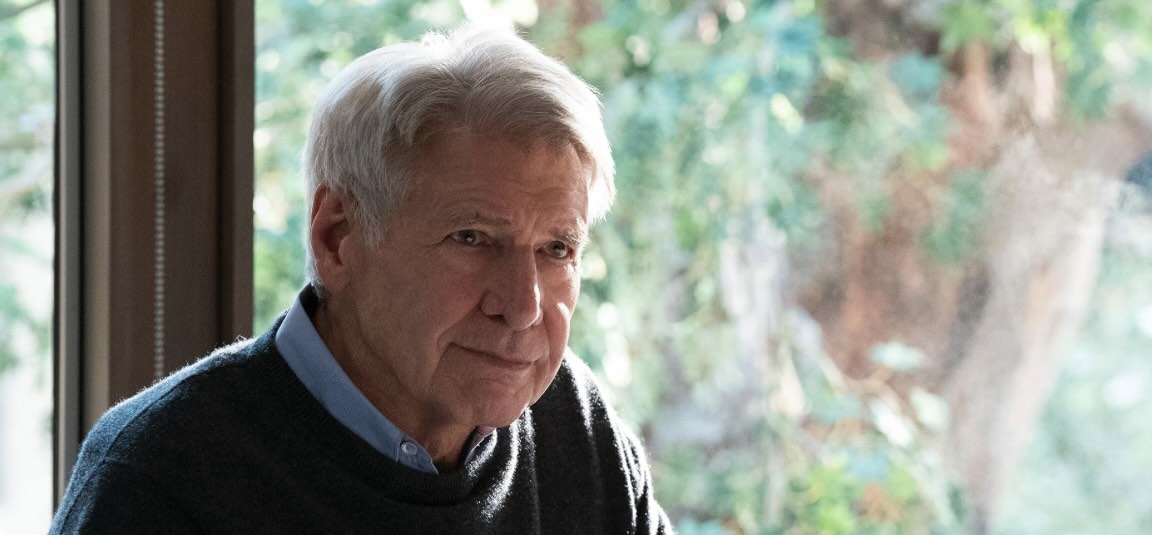
Harrison Ford: The Icon of the Cinematic Hero
Born July 13, 1942

Box Office Most-Watched Movies, 'Moana' and 'Evil Dead Burn' Are the New Entries
Discover the ranking of the most-watched movies in the USA, from Moana to Minions & Monsters and Evil Dead Burn: plot an
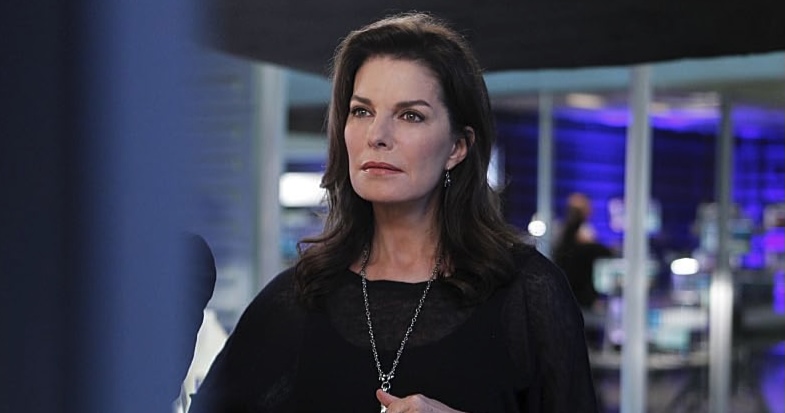
Sela Ward: A Career Between Television and Film
Born July 11

Futurama Season 14: Preview of the Animated Series
New episodes, space pirates and the return of a lost love: what to expect from the fourteenth season

Lioness Season 3: Updates on the Third Season with Nicole Kidman, Zoe Saldaña, Morgan Freeman
Discover the release date, full cast, and streaming options of Lioness Season 3, the espionage thriller series available

Sofía Vergara: Career and Recent Developments
Born July 10, 1972, Barranquilla, Colombia

Action Movie Above & Below, the Shark Attack with Antonio Banderas, Laura Marano - Plot
Above & Below: plot, cast, trailer and release of the thriller with Antonio Banderas and Laura Marano.