
Blue For You, Sebastian Ortiz Wilkins Interview
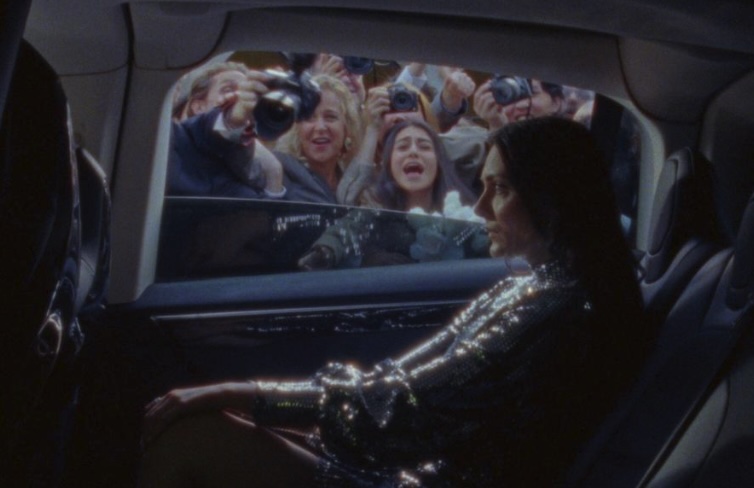
What was the creative inspiration behind the concept for the music video for This Lonesome Paradise?
The inspiration really came from the music of This Lonesome Paradise and the relationship I was able to build with them, especially with Eric. I was fortunate to be working on a series of feature films in Kelowna, Canada, where I also developed a strong creative bond with my collaborators, producer Javier Porragas and cinematographer Max Bray.
While working on those TV movies, we had the time and space to let our imagination grow and ask ourselves what we would create if we had complete freedom. Between lighting setups and different locations, we kept experimenting with ideas, shots, and concepts, always coming back to the music as our inspiration.
From that process, I developed a visual concept that originally came from a feature film idea I had. But since we had the opportunity to shoot on 16mm, we decided to bring it to life as a shorter project. That’s where the story of a stalker following an actress emerged, which became Blue for You.
We didn’t have much of a budget, but we were incredibly lucky to have friends and collaborators who believed in the project and came on board to help make it happen. In the end, the project found its place in festivals both as a short film and as a music video, so I see it as a hybrid piece and I’m very grateful for that.
How did you collaborate with the band to translate their music and visual message into images?
I think it was really about the freedom they gave me to tell the best story I could, based on the power of their music. From the beginning, we built a strong relationship, and I tried to show them how committed I was to creating something meaningful. I feel very fortunate that Eric and the band from This Lonesome Paradise trusted me to take full control of the vision while still staying in touch throughout the process to exchange ideas.
Eric is also a very narrative driven musician, every song and album they create leans heavily into storytelling, both through lyrics and melodies. We connected a lot over that, especially through conversations about Mexican filmmakers and a shared appreciation for layered, emotionally driven storytelling.
That connection really pushed the project beyond a traditional music video. It allowed me to approach it with more depth and complexity in a way that felt true to both the music and the story we wanted to tell.
What narrative or visual elements did you choose to emphasize in order to tell the story of the song?
I think it really came from playing with perspective. I wanted to challenge myself to tell the story in a way that felt intentionally blurry and suspenseful, leaning into a strong thriller energy.
I was particularly inspired by iconic figures like Marilyn Monroe and Björk, not from their own perspectives, but from how they are perceived by others, and the kind of fascination they generate. That idea of projection and obsession became central to the narrative.
From there, I wanted to play with the audience’s perception. At first, it feels like we are experiencing the story through Consuelo’s point of view, but as it unfolds, we realize we’ve actually been inside Carzio’s, the stalker’s perspective all along.
That shift became the core storytelling device, allowing me to explore what it feels like to be inside a distorted point of view and how that can reshape the entire narrative.
Can you describe any particular challenges you encountered during filming and how you overcame them?
One of the biggest challenges was definitely working with very limited resources. We didn’t have much of a budget, so we had to rely heavily on the passion and commitment of our team. Fortunately, we had an incredible group of collaborators who really believed in the project and were willing to go the extra mile to bring it to life.
Another challenge was shooting on 16mm film, which adds a lot of pressure because you can’t just keep rolling endlessly. We had only three rolls of films which is like 11 minutes each. You have to be very, very! precise and intentional with every shot. That limitation, though, actually helped us stay focused and disciplined in our storytelling.
How does the music video reflect or amplify the emotions present in the song?
I think it really comes down to the tone and melody of the song. It not only pulls us into this dark paradise, but it also exercises a raw, mysterious romance. In the music video, we really play with that energy, those silent moments, contrasted with more intense ones. The song, in a way, guides us, it unfolds the story alongside the visuals. So, the emotions really deepen because the music is helping us reveal what the story is all about.
The music video reflects as if it was a love letter to your crush. Lots of fantasy, the impossible love and a touch of hidden desperation.
How has your approach to directing music videos evolved compared to other film or television projects?
I think one big shift in my approach is that, in music videos, you really have to tell the story visually, especially without dialogue. Blue for You pushed me to take that further, making every image as clear as possible so the audience could follow the story. Now, I carry that
into all my projects: I trust the audience more, knowing that visuals can guide them, even in complex narratives.
“Trust that your audience is not stupid”.
What future projects do you have planned, and is there a possibility of new collaborations with This Lonesome Paradise or other bands?
I’m currently developing several projects, including two feature films and a number of narrative driven pieces that continue to explore the kind of psychological and visual storytelling I’m most drawn to.
One of these is a project I can’t share too much about yet, but it’s something I’m incredibly excited about the team involved is truly inspiring, and it feels like a dream come true.
The other feature film, Flores al Panteón, is inspired by true events that impacted my family. Set on the outskirts of Guadalajara, the story follows René Martínez, an engineer overseeing a gravel extraction site in the mountains. During a routine explosion, human remains are uncovered on his land, triggering a chain of consequences that unravel his sense of control.
I’m especially interested in pushing further into stories that blur the line between reality and perception, much like what we explored in Blue for You. I’m drawn to characters who are forced into difficult moral decisions, people who don’t necessarily have bad intentions, but whose choices reveal something deeper and more unsettling about human nature.
In terms of collaborations, I would absolutely love to work again with This Lonesome Paradise. The experience was incredibly creative and collaborative, and I believe there’s still a lot we could explore together. I’m also very open to working with other artists and bands who are interested in storytelling driven music videos, projects where the visuals can expand and elevate the emotional world of the music.
© All rights reserved
You Might Be Interested
Tribeca Film Festival Wei Li interview
The film Ephemera has been presented at Tribeca Film festival, Wei Li is post-production supervisor and editor
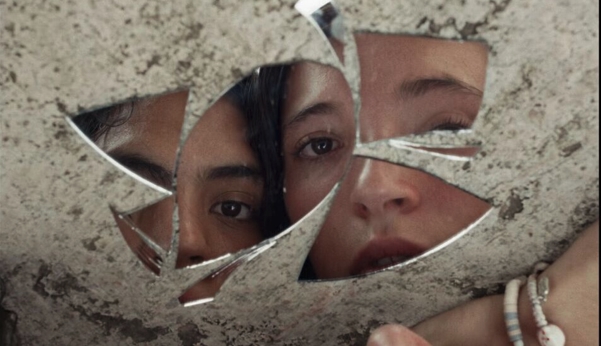
Tribeca Film Festival, Fernanda Tovar director interview
The dynamics of friendship
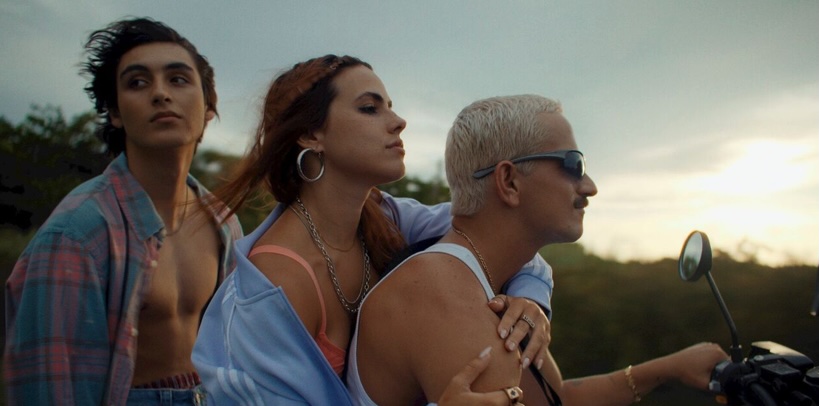
Tribeca Film Festival: In Conversation with Carlitos Ruiz-Ruiz
Summer of Three: A Life-Altering Season for Three Teens
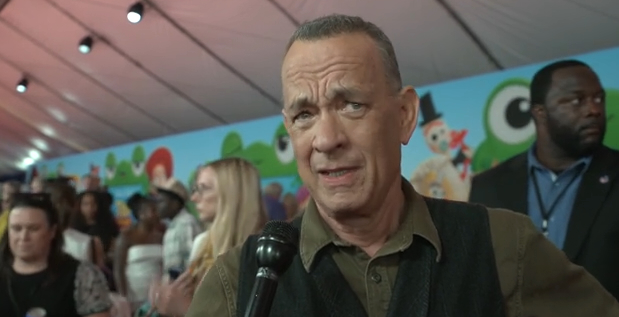
Toy Story 5, World Premiere, Tom Hanks interview
The statements of Tom Hanks
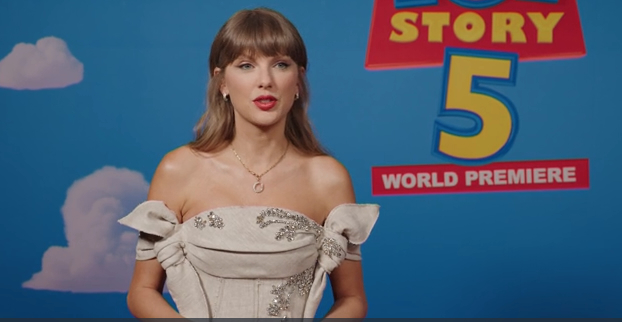
Toy Story 5, World Premiere, Taylor Swift interview
The statements of Taylor Swift
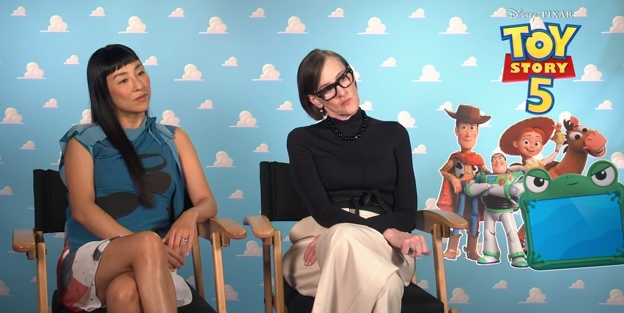
Toy Story 5, Joan Cusack and Greta Gerwig interview
The statements of Joan Cusack and Greta Gerwig
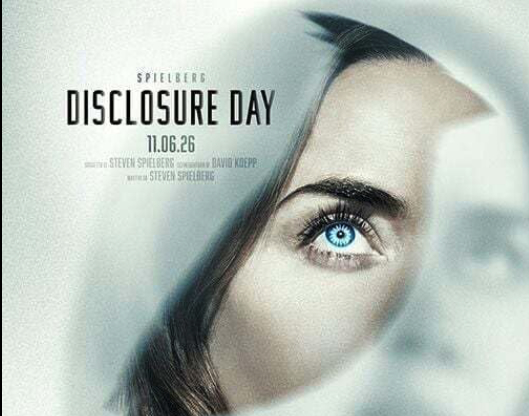
Disclosure Day, Steven Spielberg and and Colman Domingo interview
The statements of Steven Spielberg and Colman Domingo
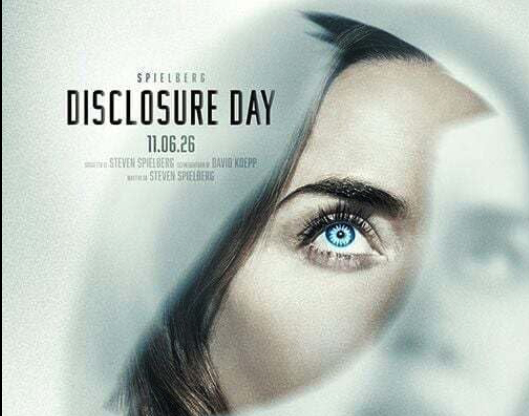
Disclosure Day, Emily Blunt interview
The statements of Emily Blunt and Josh O’Connor