
Poh Si Teng Interview, Director American Doctor
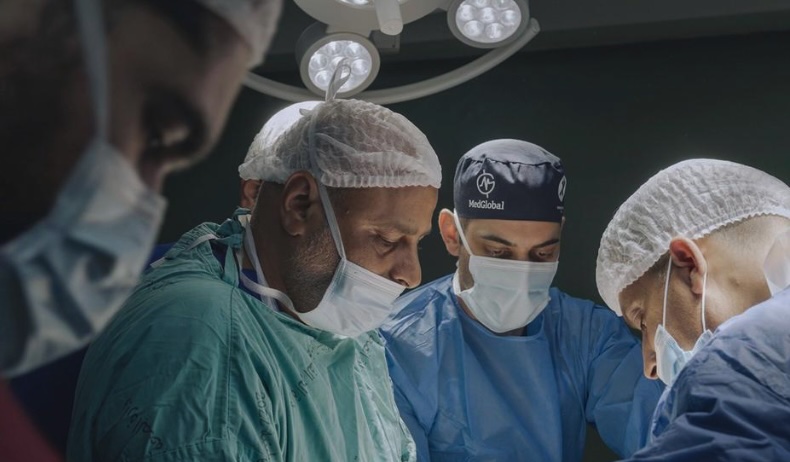
What sparked your interest in telling the story of these three doctors who are so different yet united by a single commitment?
A year into the genocide with no end in sight, I was full of despair. As a former documentary commissioner for Al Jazeera English, I was heartbroken from seeing colleagues, journalists that I respected being targeted and executed.
It was also extremely frustrating to see how Gaza and Palestine was being covered by mainstream media. It was a conscious decision to tell the story through participants, whose professionalism and integrity was unimpeachable. Hence the doctors.
They are indeed extremely different, but are all bound by the shared oath to save lives.
The documentary highlights the strong tension between medical duty and political pressure: how did you observe this dynamic affecting the doctors' daily decisions and their ability to maintain professional ethics in such a conflictual context?
The handled the tension between their medical duty and political pressure with grace. I’ve learned so much from the three doctors. From Dr. Thaer Ahmad, how to be strategic and politic and to think long-term. From Dr. Mark Perlmutter, I learned how to not mince words and to say what needs to be said. And from Dr. Feroze Sidhwa, the importance in doing research and understanding the facts and context, if one plans to convince the most difficult of audiences.
They have given me the language to stay focused and how to fight for the living.
How did you balance the medical and political aspects in the film without losing sight of the humanity of the protagonists?
At the heart center of our film, was always the Gazan doctors and our Gazan friends — our director of photography Ibrahim Al Otla, and our co-producer Mohammed Sawwaf. And my guide throughout it all was Dr. Thaer Ahmad.
What has been done to the Palestinian people is truly unconscionable. If Americans new that their taxes were being used to purchase 2,000 pound bombs to maim and shred children, they would never be for it. The problem is many simply do not know the extent of the atrocities that’s being done.
It was important not to overestimate our audience’s knowledge on what was happening, and to also lean into what was happening on the ground in Gaza, without any censorship.
In the film, Dr. Ahmad says to his fellow healthcare workers as they’re about to descend onto Congress to talk to legislative officers: “When you see them, make it real, tell them a story.”
And that’s what we tried to do with American Doctor.
The choice to follow three doctors of different origins and faiths creates a very rare multilateral narrative; how did you work on the narrative level to highlight cultural differences without losing sight of the common thread of humanity and solidarity?
It was simple. Although the three doctors came from very different backgrounds, they were the same in their shared humanity. And their actions and who they were — good men — shone so bright. I needed to believe there was light, in all the madness and never-ending darkness.
What challenges did you encounter while filming in an area as complex and sensitive as Gaza?
The challenges was working with a team that was filming Nasser Medical Complex, while they were themselves were living through starvation and dodging bombs, along with their children. We will never forget the sacrifices that Ibrahim Al Otla and Mohammed Sawwaf made to tell this story. And we hope we will be able to keep our promise to them, to tell the story of what is happening, especially in the west.
What do you hope audiences will take away from American Doctor?
I hope audiences watching will be moved to action. That they can look at themselves in the mirror, and what their governments are doing and say enough is enough. No more normalization of genocide, of expanding war. That they will call their legislators who have stayed quiet or who have profited from war, and say, we are watching you, and we are not for this.
What was the most touching or meaningful moment during filming that had a profound impact on you?
There were many moments. My favorite ones have always been the exchanges between the American and Gazan doctors. They were all such delicate and intimate scenes of doctor to doctor, peer to peer.
© All rights reserved
You Might Be Interested
Toy Story 5, World Premiere, Tom Hanks interview
The statements of Tom Hanks
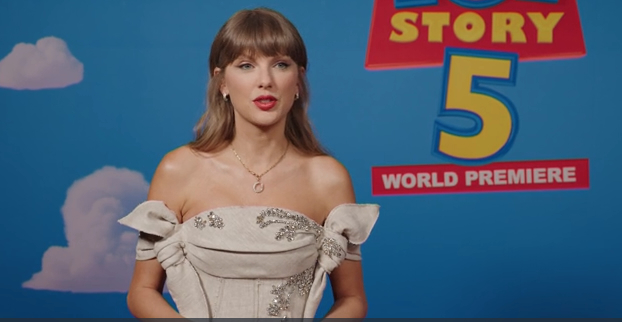
Toy Story 5, World Premiere, Taylor Swift interview
The statements of Taylor Swift
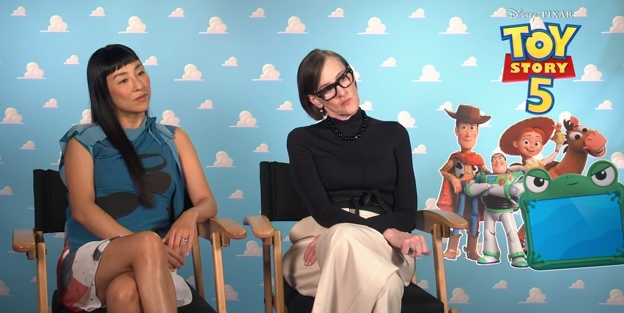
Toy Story 5, Joan Cusack and Greta Gerwig interview
The statements of Joan Cusack and Greta Gerwig
Disclosure Day, Steven Spielberg and and Colman Domingo interview
The statements of Steven Spielberg and Colman Domingo
Disclosure Day, Emily Blunt interview
The statements of Emily Blunt and Josh O’Connor

Cape Fear, LA Premiere, Amy Adams, Javier Bardem and Lily Collias interview
The statements of Amy Adams, Javier Bardem and Lily Collias - Streaming starting June 5
Natalie Moon Interview
In the cast of *Backrooms*, directed by Kane Parsons

Scary Movie, Olivia Rose Keegan interview
The statements of Olivia Rose Keegan