
Daredevil Born Again Season 2, Charlie Cox and Vincent D’Onofrio interview
The statements of Charlie Cox and Vincent D’Onofrio
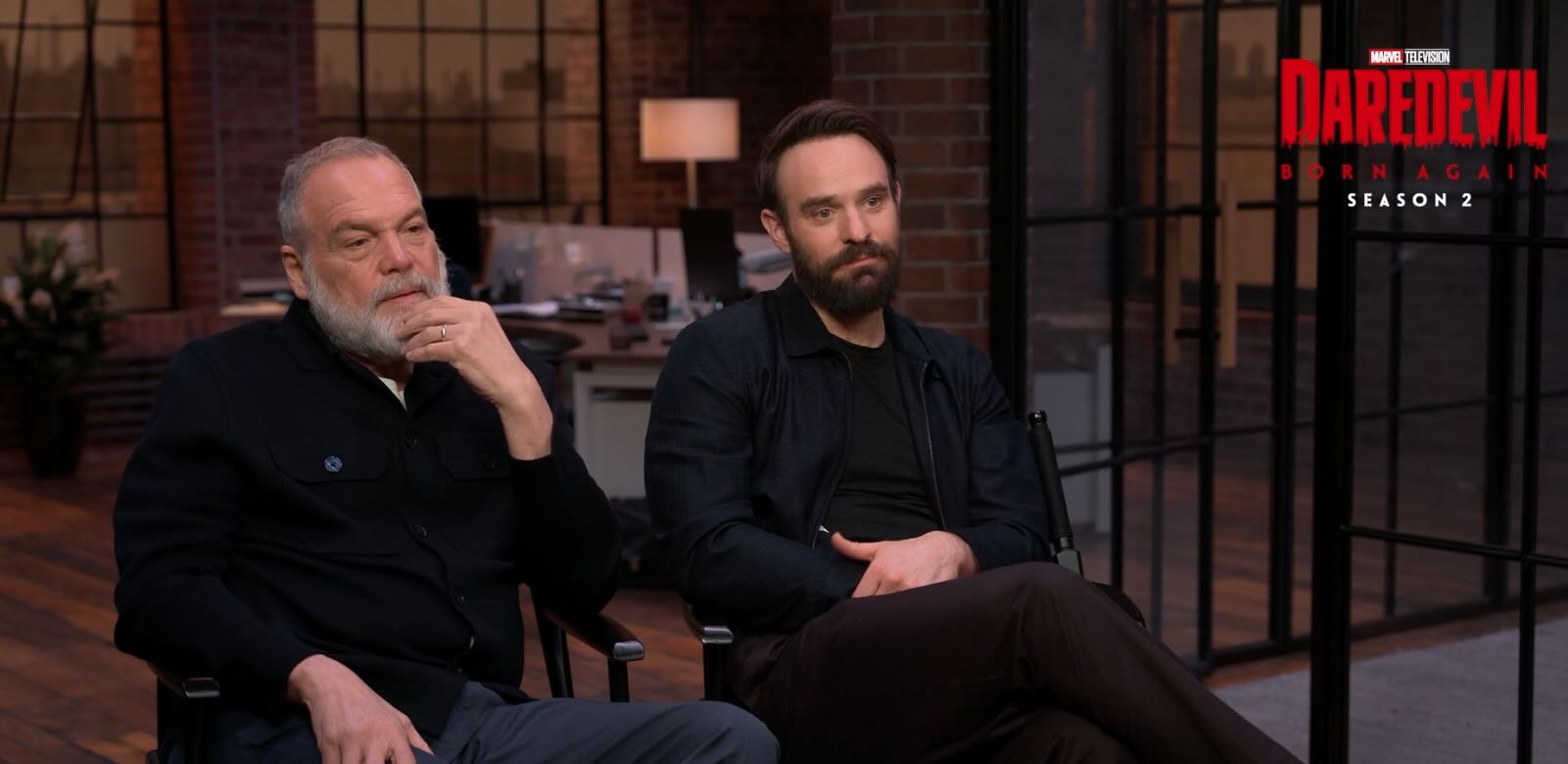
Charlie Cox: Dario wrote a Matt Murdock at the beginning of season two who is really beaten down, really disillusioned, really, really doubtful, and struggling more than anything struggling to have any confidence in his decision-making process. And this is something that in the past he's had no difficulty with; he's always been very clear-minded about what he needs to do and what has to happen next and he goes and does it. In the beginning of season two Born Again, he's questioning all of that. And so he's relying very, very heavily on Karen Page. Whereas in the past he would say things like "this is what we need to do, this is what I'm going to do, this is what happens next," he is saying "what do you think we should do? What's the next right move? Help me make that decision." And I just find that to be a really kind of like an interesting way to view a superhero, someone who's that doubtful, that vulnerable. So that was kind of new and fun.
Vincent D’Onofrio: Yeah, I mean I think there's a couple of events in the second season that I never imagined happening. One is like mid-season, there's a boxing match and it ends badly. I'm still trying to reckon with that, just as the actor. But then the end, I guess I always kind of knew inevitably that it would end the way it does in the second season, but I didn't imagine how particularly. And so it's very different to see what happens to him at the end of the second season. It's a very different feel. So it's cool. And I think we pick up from that, what all of those two events have done to him, we pick up in the third season, you get to meet him and what he's become after that.
Charlie Cox: Well you're right, we don't have a lot of scenes together. And therefore when we do come together it's usually a very pivotal moment within the season. So a lot has been building towards this moment and then there are fireworks. And so those days on set are always really exhilarating and exciting. And, you know, we're acutely aware that these moments are likely to be the kind of iconic moments within a season, the things that fans remember and think about a lot when these two come together. So it's really important we get it right. And so there's that added pressure I think with those scenes. But it's also those are the days where they're often such cool scenes and there's a couple in this season that you're those are the days where you kind of have to pinch yourself and remind be reminded of how cool your job is and you know, like this is the stuff that for the next two, three, four years, maybe a decade or more, fans are going to ask you about and talk about and reference. So it's pretty cool.
Vincent D’Onofrio: Yeah, and I think just to come off of what Charlie just said, I think that our approach to those particular scenes that we're talking about when the two of us come together, when Charlie said they have to be done correctly, it's very true. We have to, by the time we're there on set actually performing them, there's been a lot of discussion and a lot of little changes and a lot of... we just want it to be the best thing that happens in that episode for sure, if not the whole season when the two of us come together. So we put a lot of work into it before we shoot it and it just has to be perfect. And that's not easy to do. Those scenes are hard to get away with.
Charlie Cox: There was a scene that happens towards the kind of middle of, well the latter part of season two. And we knew about the scene, I think we'd maybe read an early draft. We hadn't had the final draft of the script yet but we knew the scene was coming, we understood essentially what the main beat sheet of the scene was going to be. And we were in the gym and a beloved comic book artist friend of ours called Alex Maleev had done a drawing, a Fisk drawing for Vincent and a Daredevil drawing for me as a kind of a gift. And the Fisk painting that he'd done, the drawing sorry, painting, both... the Fisk one, the image of it, which I won't give away, was so iconic and cool and inventive that we mentioned it to the stunt department but we also mentioned it to the filmmakers, and they managed to get that into the show. They built a rig so that the camera could recreate that image as the beginning of the scene in question. So like that's kind of the level of detail that we're thinking about sometimes when it comes to those particular scenes.
Vincent D’Onofrio: Anything to make it more fun, more entertaining, and more interesting and more multi-leveled. It's really cool.
Charlie Cox: It’s very cool. It’s very cool.
Charlie Cox: Sets it apart from anything that came before it? I think there are two story points which make it—
Vincent D’Onofrio: Oh, for sure, yeah.
Charlie Cox: There are two story points that make it unique. Yeah. There’s a—yeah, there’s one thing in particular I didn’t think would ever happen, and definitely not—I just didn’t think it would ever happen. I never thought of it.
Vincent D’Onofrio: I’m talking about the courtroom.
Charlie Cox: I was wondering because—I know, no, I’m—you’re right, I just—was it this two—?
Vincent D’Onofrio: Vanessa.
Charlie Cox: Yeah. Could you hear that?
Vincent D’Onofrio: No, but I was just interested when you said one thing that you’d never thought would happen, I was wondering which one you were actually thinking about.
Charlie Cox: Yeah, yeah, yeah. Well, also, but—I didn’t think the other one—
Vincent D’Onofrio: No.
Charlie Cox: I was so shocked when I heard about one of them that I, you know, haven’t been able to get over it still. But, yeah.
Charlie Cox: You know, he’s had an unbelievably difficult role to play because he’s coming to the show years after we started. And he—and again, he was not around for the beginning of the first season. And he was brought on when we decided—when Marvel decided to take the show in a slightly different direction to kind of, you know, for lack of a better word, Frankenstein together the first season and kind of push it in a different direction, much closer to where we wanted to end up and where we are now. So it’s very difficult to overemphasize what a tremendous job that he’s done. When they pitched to me, to us, how they were going to about-turn on season one, the fact that they were going to move the episodes that we currently had shot—move them instead of being one to six, they would become two to seven. They would write a pilot that would help explain how we get to two, to the new two, and then they’d write, you know, two episodes to—as a double finale, episodes eight and nine. And then we’d be allowed a few scenes in the—in the existing episodes to try and tie it all together. I just remember thinking, "This is a car crash. This is not going to work. It’s going to feel like a Frankenstein. It’s going to feel so disjointed." And I just, you know, and then we went about it and, you know, like good soldiers, we did the work we do and we tried to, you know, kind of get on board as much as possible. And to his credit—you also, you’ve got to mention Aaron and Justin, the directors who came in—the amazing directors who came in and did those three episodes and also the first two episodes of season two. And, you know, they have—completely, to their credit, they did an unbelievable job. And then Dario has—as well as all of that, he has, you know, he’s managed to kind of stamp his—he managed to put his DNA into the show as well. So it feels authentic. It feels like it’s being—especially season two because he’s written that from page one. So, yeah, really a huge credit to him, and we’re unbelievably grateful to him for what he’s done.
Vincent D’Onofrio: Yeah, same here.
Charlie Cox: What can the fans look forward to? In season two?
Charlie Cox: I think—I think after seeing the first season, they’re going to—I think they have a lot to look forward to when it comes to being fans of the show, of the original show too, you know, the Netflix show. If they’re fans of the Netflix show, I think they’re going to love the second season. I also think that you’re going to see these characters for the first time in any season—the old show or this show—behaving differently, going through different emotional things. I think—I think it’s very emotional, the show. It’s extremely emotional, coming from the insides of what Daredevil’s going through, what Fisk is going through. I think that the brutality, the action in it, is also at another level. And the way in which the story is told through the action and the brutality of that. I think the fact that New York has always sort of been a—Hell’s Kitchen has always sort of been a character in the show, but New York City, including Hell’s Kitchen, is definitely a character in the show this time. The people of New York City. And I think—I think—
© All rights reserved

You Might Be Interested
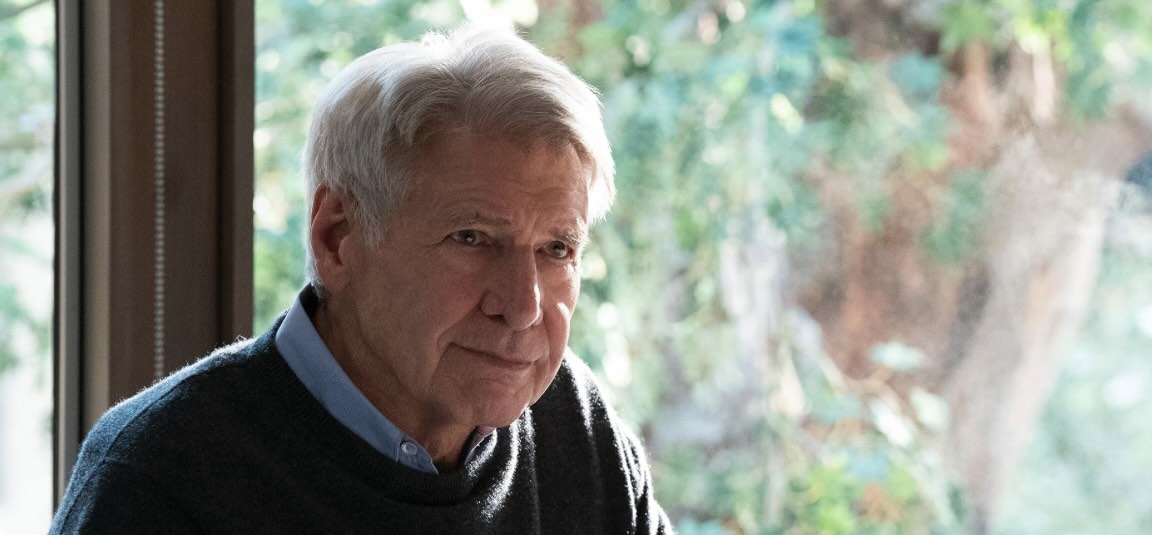
Harrison Ford: The Icon of the Cinematic Hero
Born July 13, 1942
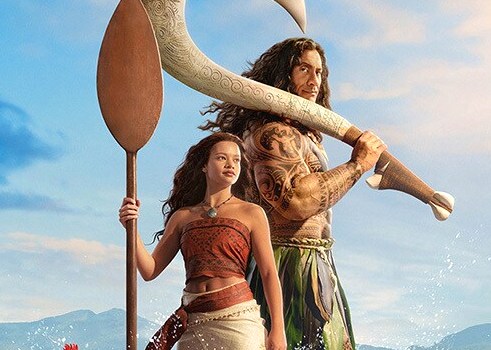
Box Office Most-Watched Movies, 'Moana' and 'Evil Dead Burn' Are the New Entries
Discover the ranking of the most-watched movies in the USA, from Moana to Minions & Monsters and Evil Dead Burn: plot an
Sela Ward: A Career Between Television and Film
Born July 11
Lioness Season 3: Updates on the Third Season with Nicole Kidman, Zoe Saldaña, Morgan Freeman
Discover the release date, full cast, and streaming options of Lioness Season 3, the espionage thriller series available
Sofía Vergara: Career and Recent Developments
Born July 10, 1972, Barranquilla, Colombia

Action Movie Above & Below, the Shark Attack with Antonio Banderas, Laura Marano - Plot
Above & Below: plot, cast, trailer and release of the thriller with Antonio Banderas and Laura Marano.
Tom Hanks: Seventy Years of American Cinema
Born July 9, 1956, in Concord, California
Dune: Part Three: Sequel Updates - Plot and New Trailer
Discover Dune Part Three, the film starring Timothee Chalamet, Zendaya, and Rebecca Ferguson. Plot, cast, and release da