
Laurence Olivier: A Giant of British Theatre and Cinema
Laurence Olivier, born May 22: Oscars and Most Important Films
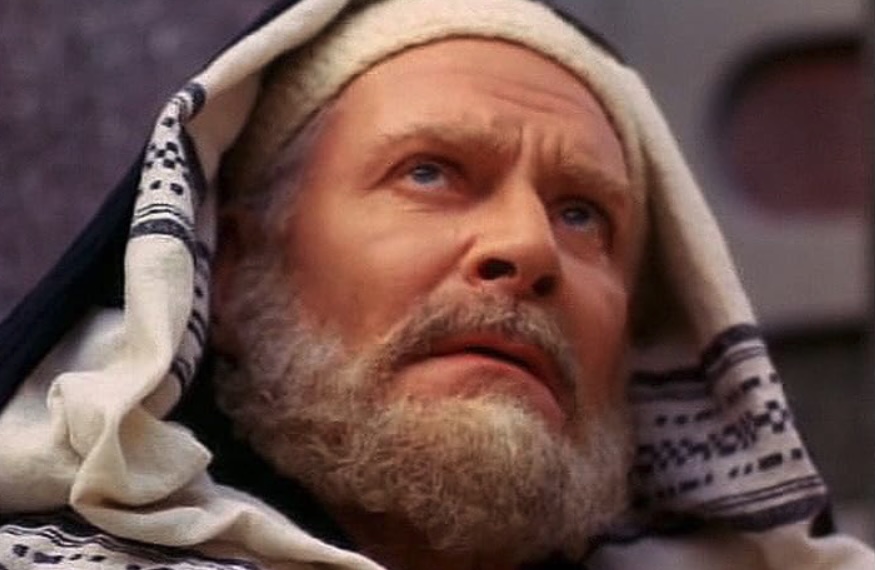
Laurence Kerr Olivier was born on May 22, 1907, in Dorking, Surrey, England. The son of an Anglican clergyman, he began his artistic career very young, acting at just nine years old in a school production of Julius Caesar. At fifteen, he played a female role in The Taming of the Shrew, marking the start of a long and influential career in acting.
Olivier stood out for an innovative approach to cinema, different from many of his British theatrical contemporaries. In 1939, he received his first Oscar nomination for Best Actor for the role of Heathcliff in Wuthering Heights. The following year, he earned a second nomination for the film Rebecca, directed by Alfred Hitchcock, solidifying his presence in Hollywood.
During World War II, Olivier produced, directed, and starred in Henry V, a 1944 film that earned him an honorary Oscar in 1947 for special contribution to cinema. In 1948, he won the Oscar for Best Actor for Hamlet, a film he personally directed that received four Academy Awards, including Best Picture. This made him the first actor to direct himself in a film that won the Oscar for Best Picture.
In the 1950s, Olivier continued to receive nominations for Richard III (1955), in which he played the deformed king, and for The Prince and the Showgirl (1957), alongside Marilyn Monroe. In 1960, he was nominated for The Entertainer, and in 1965 he earned a nomination for Othello, an adaptation of his theatrical performance.
In the 1970s, Olivier established himself as a prominent character actor. In 1972, he received an Oscar nomination for Sleuth, a film in which he dueled with Michael Caine. In 1976, he was nominated for Best Supporting Actor for Marathon Man, a role that also earned him a Golden Globe. In 1978, he received his last competitive nomination for The Boys from Brazil, where he played a Nazi hunter.
In 1979, the Academy awarded him a second honorary Oscar for his career, recognizing his overall contribution to cinema and acting. With ten total nominations, Olivier ranked among the most recognized actors by the Academy, surpassed only by legends such as Meryl Streep and Katharine Hepburn.
In his later years, despite health problems, he continued working in theatre and television, winning five Emmys, including for his performance in King Lear in 1983. On the big screen, he appeared in Clash of the Titans (1981) as Zeus. He died on July 11, 1989, near London.
His name today is associated with the Laurence Olivier Awards, the most prestigious British theatre awards, established in 1976 and renamed in his honor in 1984. The fiftieth edition took place in 2026 at the Royal Albert Hall, celebrating half a century of theatrical excellence.
© All rights reserved


You Might Be Interested

Harrison Ford: The Icon of the Cinematic Hero
Born July 13, 1942
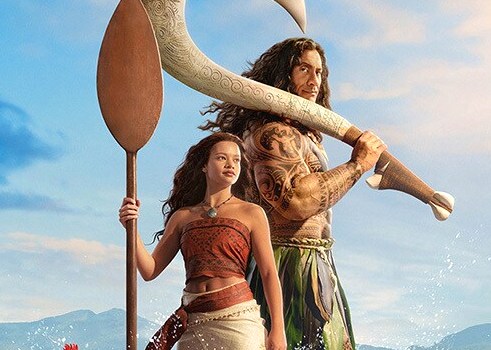
Box Office Most-Watched Movies, 'Moana' and 'Evil Dead Burn' Are the New Entries
Discover the ranking of the most-watched movies in the USA, from Moana to Minions & Monsters and Evil Dead Burn: plot an
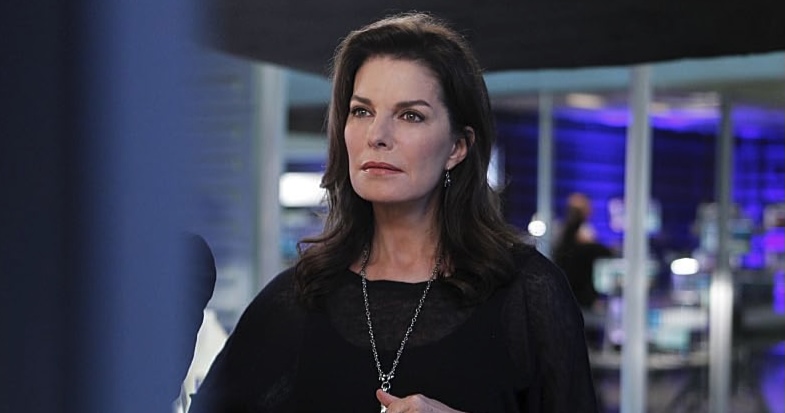
Sela Ward: A Career Between Television and Film
Born July 11

Lioness Season 3: Updates on the Third Season with Nicole Kidman, Zoe Saldaña, Morgan Freeman
Discover the release date, full cast, and streaming options of Lioness Season 3, the espionage thriller series available
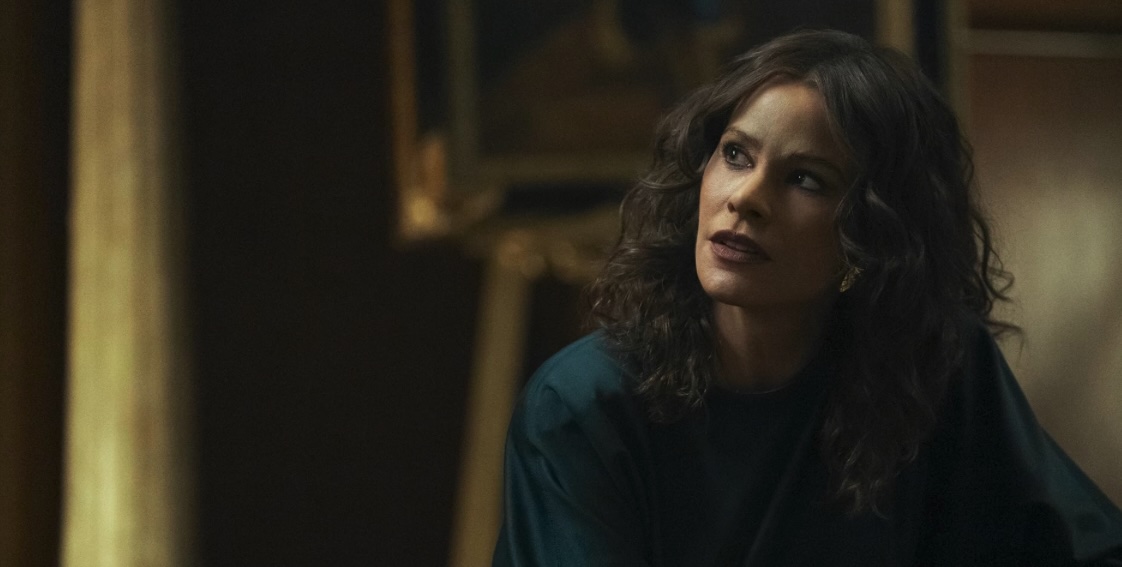
Sofía Vergara: Career and Recent Developments
Born July 10, 1972, Barranquilla, Colombia

Action Movie Above & Below, the Shark Attack with Antonio Banderas, Laura Marano - Plot
Above & Below: plot, cast, trailer and release of the thriller with Antonio Banderas and Laura Marano.
Tom Hanks: Seventy Years of American Cinema
Born July 9, 1956, in Concord, California
Dune: Part Three: Sequel Updates - Plot and New Trailer
Discover Dune Part Three, the film starring Timothee Chalamet, Zendaya, and Rebecca Ferguson. Plot, cast, and release da