
Gabriel García Márquez and Cinema: From Screenplays to the Cuban School
From Rome's Centro Sperimentale to the One Hundred Years of Solitude Series
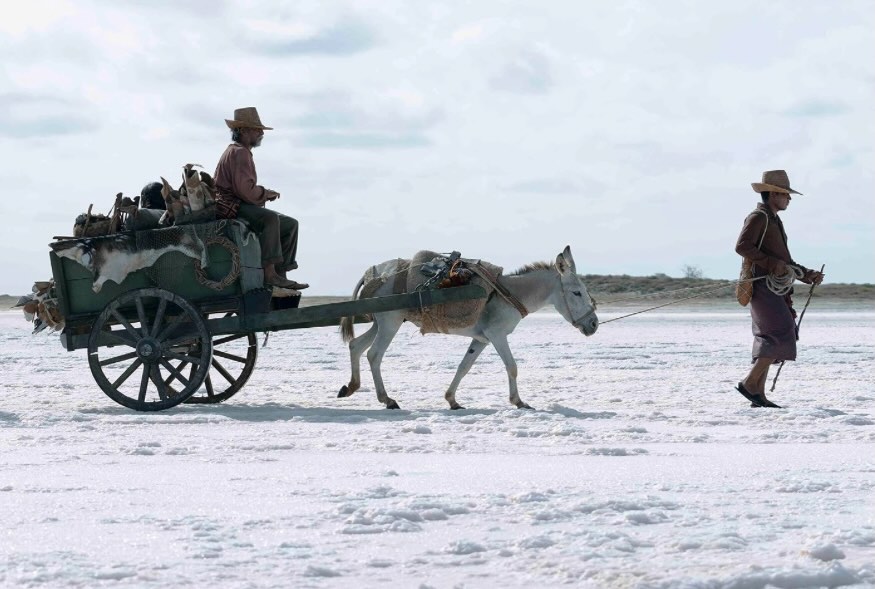
Gabriel García Márquez, born in Aracataca on March 6, 1927, maintained a continuous and structured professional relationship with cinema, often overshadowed by the scope of his literary recognition. The Nobel Prize in Literature, awarded to him in 1982, represents the pinnacle of his career as a writer, but his activity in the audiovisual sector preceded his narrative consecration by far. In the 1950s he moved to Rome to attend directing courses at the Centro Sperimentale di Cinematografia, an experience that decisively influenced his compositional technique, introducing into the structure of his novels logics proper to cinematic editing.
Márquez's commitment to cinema did not remain on the theoretical plane. Parallel to his critical activity exercised in various publications, he developed a career as a screenwriter. Among the less documented collaborations is his participation in writing El gallo de oro (1964), created together with writer Carlos Fuentes. On the institutional front, he founded the Escuela Internacional de Cine y Televisión in San Antonio de los Baños, Cuba, a structure still active in training directors and screenwriters coming primarily from countries of the Global South.
A significant contribution to his cinematographic production is represented by the screenplay for Tiempo de morir (1966), written for Mexican director Arturo Ripstein. The work, a western that integrated genre conventions and psychological analysis, is indicative of an approach to screen writing that was methodical and removed from festival circuits. For Ruy Guerra he instead signed the screenplay for Eréndira (1983), an adaptation of one of his own stories, considered among the visual transpositions most coherent with the grotesque and hyperbolic register of his narrative.
On the front of adaptations of his works, Cronaca di una morte annunciata (1987), directed by Francesco Rosi, restores with precision the almost journalistic framework of the original text. Love in the Time of Cholera (2007), directed by Mike Newell, represents the most systematic attempt by the Hollywood industry to engage with his poetics, though receiving uneven critical reception. No One Writes to the Colonel, directed by Arturo Ripstein and presented at Cannes in 1999, stands out for its rendering of the suspended atmosphere characteristic of that narrative production.
It must be specified that García Márquez never received an Academy Award, neither as a screenwriter nor for films based on his works, in any category, competitive or honorary.
In more recent years, the writer's heirs — sons Rodrigo and Gonzalo — authorized the production of a television series based on One Hundred Years of Solitude, overcoming the prohibition that the author had maintained during his lifetime for fear that an episodic transposition might alter the novel's structure. The growing attention of streaming platforms toward lesser-known texts completes a picture in which Márquez's work continues to be the object of audiovisual reworking, more than seventy years after his first cinema studies in Rome.
© All rights reserved
You Might Be Interested
Martin Landau: The Actor Who Drew Comics
Brooklyn, June 20, 1928
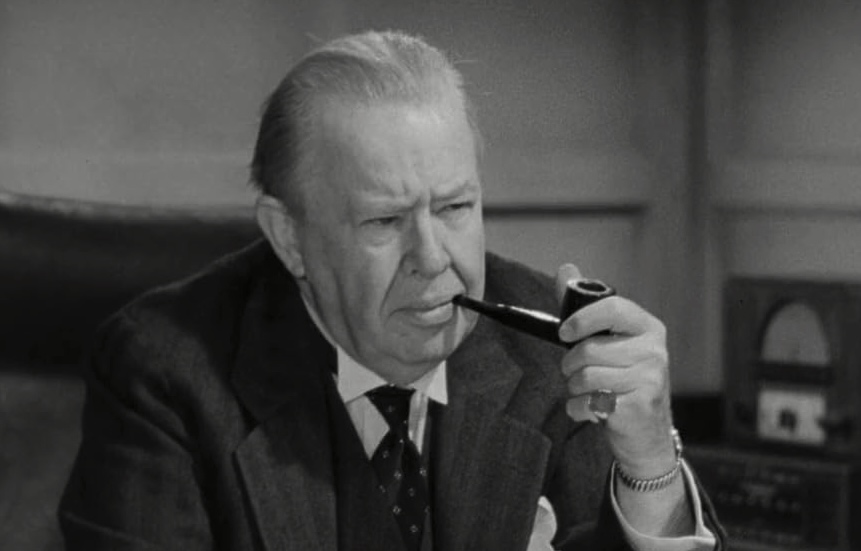
Charles Coburn: the gentleman who conquered Hollywood at sixty
Born June 19, 1877, in Macon, Georgia
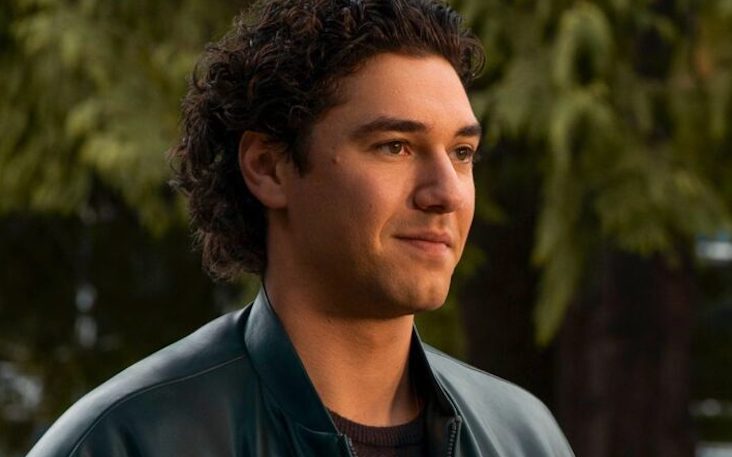
Thriller Movie The Lottery: $300 Million with Belmont Cameli, Sofia Wylie, Madison Thompson - Plot
La lotteria: trama, cast e ambientazione del thriller con Belmont Cameli e Sofia Wylie.

Comedy Movie 40 Dates and 40 Nights, dating app with Bailee Madison, Joel Courtney - plot
40 Dates and 40 Nights: plot, cast and release of the movie with Bailee Madison and Joel Courtney

Blanche Sweet: The Actress Who Invented the Modern Heroine, Forgotten by Hollywood
Born on June 18
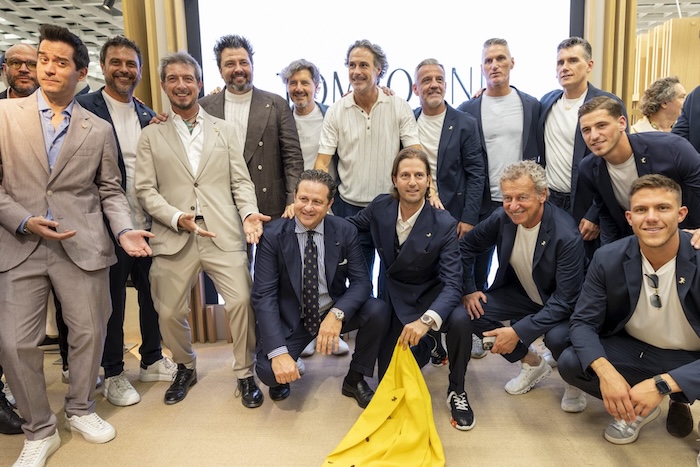
Tombolini at Pitti Uomo 110: Lightness as the New Frontier of Menswear

Shrek 5 Movie, News on the Sequel
Discover Shrek 5, the movie with Mike Myers, Cameron Diaz, Eddie Murphy. Plot, cast, release, trailer

The Echo Chamber Movie, Voice in the Room with Luca Marinelli, Alicia Vikander, Susan Sarandon
The Echo Chamber: plot, cast and production of the movie with Luca Marinelli