
William Holden: The Great Hollywood Star
Born April 17, from Oscar Nominations to Awards
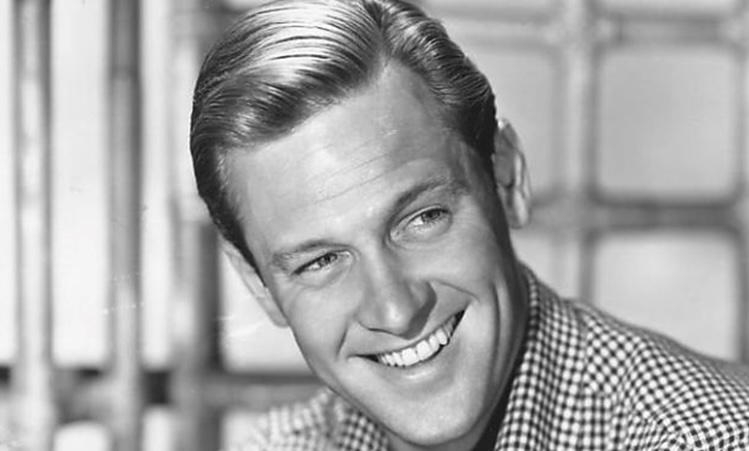
Birth, Career, and Early Successes of William Holden
William Franklin Beedle Jr., born April 17, 1918, in O’Fallon, Illinois, was one of the most influential actors of classic Hollywood cinema. His career spanned over forty years until his death on November 12, 1981, in Santa Monica, California. Holden debuted in 1939 with the film Golden Boy, playing a young violinist forced to become a boxer. This initial role, alongside Barbara Stanwyck, marked the beginning of a path that led him to become one of Hollywood’s most recognized stars.
Rise with Billy Wilder and First Oscar Nomination
After a break due to military service during World War II, Holden returned to cinema and in 1950 landed the role of Joe Gillis in Sunset Boulevard, directed by Billy Wilder. This character, a failed screenwriter, earned him his first Oscar nomination for Best Actor. The film is considered a classic of film noir and represents one of the most significant moments of his career.
Oscar for Stalag 17 and the Shortest Acceptance Speech in History
In 1954 William Holden won the Oscar for Best Actor for his performance in Stalag 17, also directed by Billy Wilder. In the film, Holden plays Sergeant Sefton, a prisoner of war suspected of being a spy. His Academy Awards acceptance speech lasted just two words, “Thank you, thank you,” due to a strict time limit imposed by the live broadcast. Later, to express his gratitude, Holden purchased advertisements in industry magazines.
Iconic Films of the 1950s and Contract Innovations
The 1950s were Holden’s most successful period. Notable films include Sabrina (1954), where he starred with Audrey Hepburn, Picnic (1955), The Bridge on the River Kwai (1957), and Love Is a Many-Splendored Thing (1955). Additionally, Holden was the first Hollywood actor to earn one million dollars for a single film, thanks to an innovative contract that included a percentage of box office receipts.
Decline and Comeback in the 1960s and 1970s
In the 1960s, Holden’s career slowed, with roles in less prominent productions, except for The World of Suzie Wong (1960) and Walk, Don’t Run (1966). His comeback came in 1969 with Sam Peckinpah’s The Wild Bunch, followed by The Towering Inferno (1974). In 1977 he received his third Oscar nomination for Network by Sidney Lumet, portraying a television producer. In 1978 he reunited with Billy Wilder for Fedora, and his last film was S.O.B. (1981).
Private Life, Controversies, and End of Career
William Holden had a complex private life. In 1966, he was involved in a fatal car accident in Versilia, for which he was convicted of manslaughter with a suspended sentence. In his later years, the actor struggled with alcohol. He died in 1981 due to an accidental fall in his home. His ashes were scattered in the Pacific Ocean according to his wishes.
© All rights reserved
You Might Be Interested

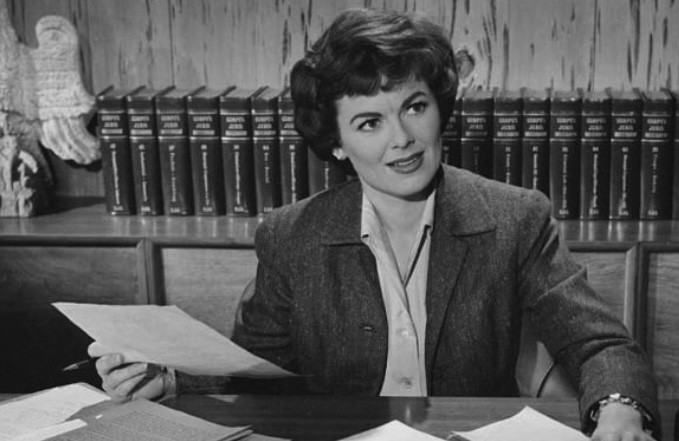
Dana Wynter: The Classic Elegance of Hollywood
Discover the career of Dana Wynter, born in Berlin on June 8, 1931, an icon of Hollywood cinema and American television.

Box Office Most Watched Movies, 'Scary Movie' and 'Masters of the Universe' are the New Entries
Discover the ranking of the most watched movies in the USA, from Scary Movie to Masters of the Universe, Backrooms: plot
Movie&Short Festival, the partners
Movie&Short Festival Locarno 2026: Partners and Cultural Collaborations | Fondazione Fellini & TransMedia Group

Ruthless: News on the Sixth Season of the TV Series
Tyler Perry’s dramatic thriller returns to Paramount+ with new episodes and rising tensions in the Rakudushi cult

Maria Montez Hollywood Star Biography: From Dominican Republic to Technicolor Icon
Maria Montez, born on June 6, Early Life and Hollywood Career Beginnings
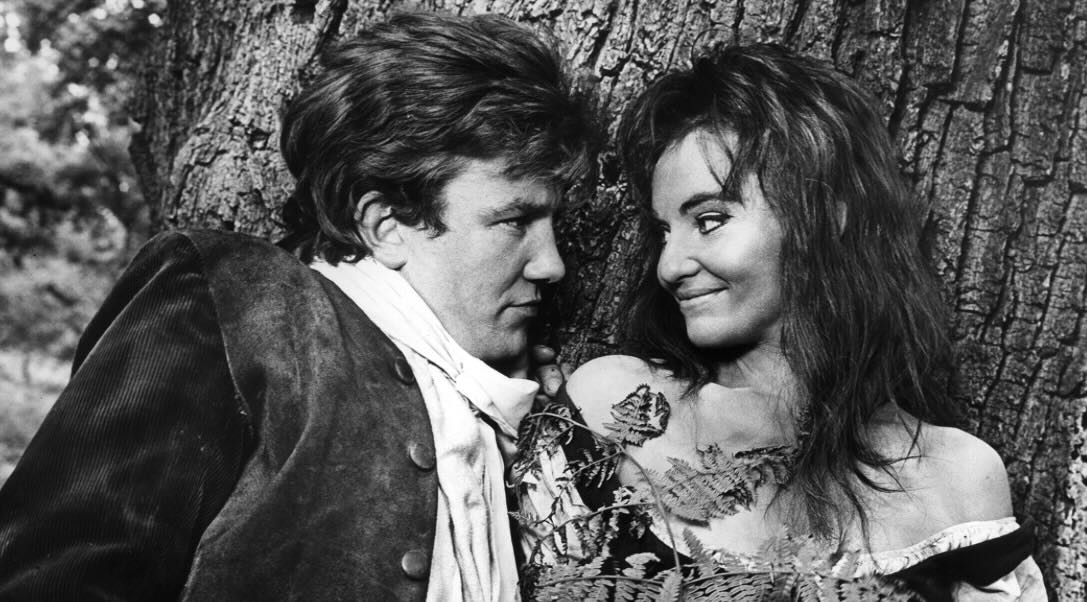
Tony Richardson: British Director Who Revolutionized Cinema with Iconic Films
Biography and Career of Tony Richardson, British Director Born on June 5, 1928

Masters of the Universe: Trivia about the film starring Nicholas Galitzine and Morena Baccarin - plot
Discover Masters of the Universe, the film starring Nicholas Galitzine and Jared Leto. Plot, cast, trailer, and release
By Any Means Movie: FBI Informant Mark Wahlberg, Yahya Abdul-Mateen II - Plot
Discover By Any Means, the thriller movie with Mark Wahlberg, Giancarlo Esposito: plot, cast, trailer, release