
Howard Hawks, Undisputed Master of Hollywood
Born May 30
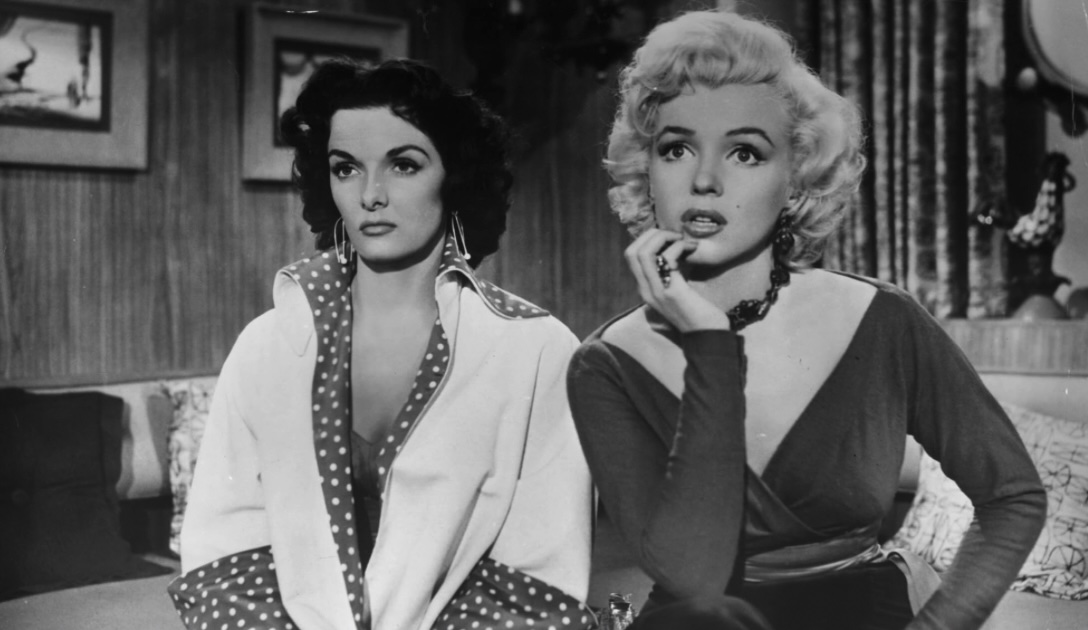
Howard Hawks’ Career in Classic American Cinema and His Most Representative Films
Howard Winchester Hawks was born on May 30, 1896, in Goshen, Indiana. His film career spanned from the 1920s until 1970, when he directed his last western, Rio Lobo. Coming from a wealthy family with ties to the film industry, Hawks studied mechanical engineering at Cornell University and served as a flight instructor during World War I, an experience that influenced several of his later films such as The Dawn Patrol (1930) and Only Angels Have Wings (1939).
He entered Hollywood in 1922 as a screenwriter, making his directorial debut with The Road to Glory in 1926. His breakthrough came with Scarface (1932), which established his reputation for an essential visual style and intense storytelling. Hawks was known for his versatility, moving effortlessly from comedy (Bringing Up Baby, 1938) to noir (The Big Sleep, 1946), and westerns (Red River, 1948; Rio Bravo, 1959).
Oscar Awards and Recognitions: The Nomination and Honorary Award
Throughout his career, Hawks received a single Oscar nomination for Best Director for Sergeant York(1942), a patriotic film starring Gary Cooper who won Best Actor. Hawks lost the award to John Ford for How Green Was My Valley. Actors directed by Hawks earned accolades: Walter Brennan won Best Supporting Actor for Come and Get It (1936), and Barbara Stanwyck was nominated for Ball of Fire (1941). In 1974, the Academy awarded him an Honorary Oscar for his overall contribution to cinema.
Professional and Personal Life: Contracts, Productions, and Passions
Hawks worked with all major Hollywood studios, favoring short-term contracts and maintaining production independence. This choice made him less visible to the general public compared to directors tied to a single studio. Personally, Hawks married three times and had four children. He pursued interests in fast cars, flying, and hunting, even building a personal airplane.
Final Years and Legacy: Retirement, Death, and Critical Rediscovery
His last film, Rio Lobo (1970), received a lukewarm critical response. Hawks retired and died in Palm Springs, California, on December 26, 1977. His work was rediscovered mainly in France, where critics from Cahiers du Cinéma placed him alongside Hitchcock. In the United States, critics such as Andrew Sarris and Leonard Maltin emphasized his importance as a lesser-known but significant director. His influence is acknowledged by contemporary filmmakers including Martin Scorsese and Quentin Tarantino.
Restored Films and Recent Screenings: Hawks’ Cinema Today
Although no new Hawks films are scheduled, his work continues to be restored and screened. In February 2026, New York’s Sag Harbor Cinema featured El Dorado (1966) in the “Go West: The Sixties” series. Recently, Criterion released a restored 4K edition of His Girl Friday (1940), alongside The Front Page(1931), the film that inspired Hawks.
© All rights reserved
You Might Be Interested
The Furious, Kenji Tanigaki Interview
The statements of Kenji Tanigaki - Director
Bob Hope: Biography, Films and Career of the American Comic Actor | Where to Watch His Films in Streaming
Born on May 29

Sci-fi Movie O Horizon, Reconnection with Father with Maria Bakalova, David Strathairn and Adam Pally
Sci-fi and Romance Movie: The Plot, cast, trailer, release of O Horizon
Primetime Crime Movie, Hidden Cameras with Robert Pattinson, Anna Faris, Phoebe Bridgers - Plot
Primetime: Plot, cast, and release date for the crime film starring Robert Pattinson and Anna Faris based on a true stor
Ian Fleming: Architect of the James Bond Saga
Ian Fleming, Born May 28
‘The Last Cargo’: Entertainment with a Purpose
Directed by Actor-Director Christian de la Cortina | Produced by Vanessa Cáceres
Vincent Price: Horror Film Icon, Born May 27
Vincent Price: Biography and Career
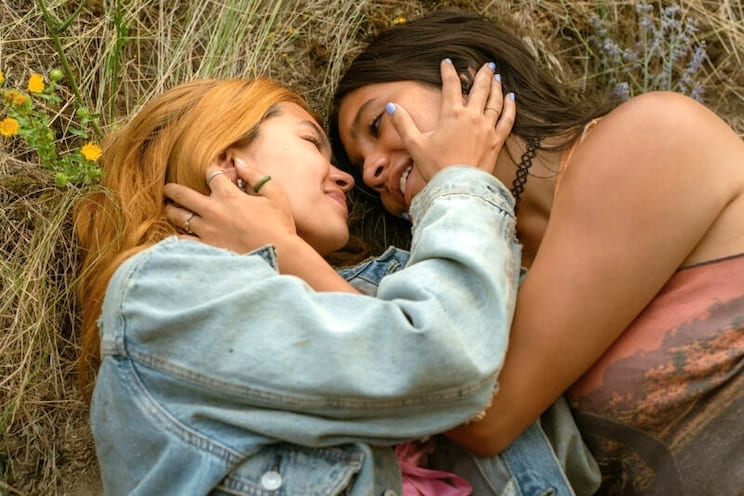
Drama Movie Girls Like Girls: Attraction Between Girls, with Maya da Costa and Myra Molloy - Plot
Girls Like Girls: plot, cast and release of the drama movie with Maya da Costa and Myra Molloy directed by Hayley Kiyoko