
Joel Grey, the Emcee Who Conquered Hollywood
Born April 11
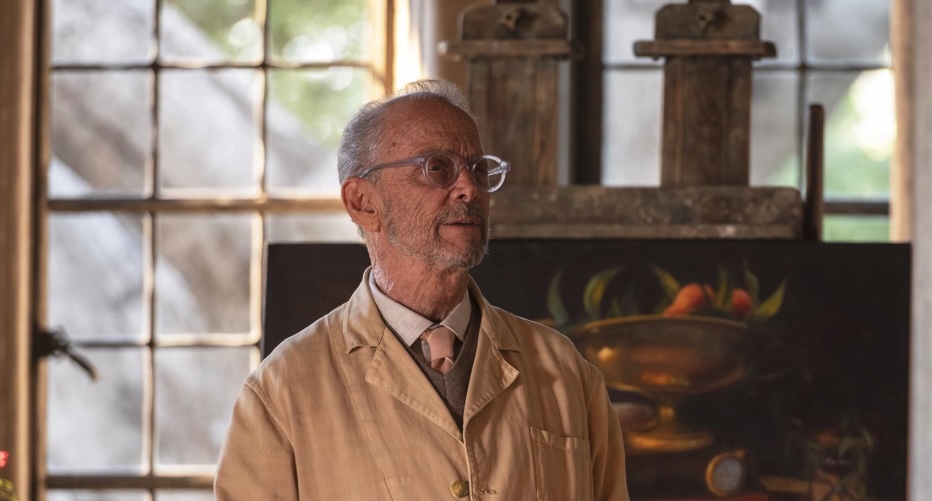
Joel David Katz was born in Cleveland, Ohio, on April 11, 1932, into a family where show business ran in the veins. His father, Mickey Katz, was a successful klezmer musician and comedian, and from childhood Joel breathed the atmosphere of the stage. By age ten, he already knew what he wanted to do with his life: perform. The decision was early but definitive, marking an artistic path that would span seven decades without losing intensity.
His apprenticeship began early. By twenty, Joel Grey was already performing at the Copacabana, the legendary New York nightclub where many great American entertainers were formed. Broadway welcomed him almost immediately, and from that moment on, it never left him. Musical theatre became his natural home, the place where his magnetic stage presence and versatility found full expression. In 1966, he landed the role that would change everything: the Emcee in Harold Prince’s musical Cabaret, with music by John Kander and Fred Ebb. The performance was hypnotic, unsettling, seductive. Grey created a character that became iconic, an ambiguous narrator in 1930s Berlin, a mirror of a society on the brink of collapse.
When Bob Fosse decided to bring Cabaret to the big screen in 1972, he had no doubts about who should play the Emcee. Joel Grey recreated the character for cinema with even greater intensity, if possible. The film became a triumph: eight Oscars, including Best Supporting Actor awarded to Grey. It was 1973, and along with the statuette came the BAFTA, Golden Globe, and confirmation of the Tony Award already won for the theatrical version. Few actors can boast this quartet of awards for the same role, performed both on stage and on screen.
Grey’s film career continued with titles spanning different genres. He appeared in Robert Altman’s Buffalo Bill and the Indians in 1976, working alongside Paul Newman. In 1982, he was part of the cast of Remo Williams: The Adventure Begins, an action movie attempting to launch a new franchise. He participated in The Music of Chance in 1993 and Lars von Trier’s Dancer in the Dark in 2000, demonstrating the ability to move between auteur cinema and mainstream productions.
But theatre remained his chosen territory. After Cabaret, other Tony Award nominations followed: for George M! in 1968, where he played the legendary showman George M. Cohan; for Goodtime Charley in 1975; and for The Grand Tour in 1979. In 1996, he returned to Broadway with the revival of Chicago, playing Amos Hart, the invisible and pathetic husband who sings “Mr. Cellophane.” In 2003, he was the original Wizard of Oz in the musical Wicked, creating another character destined to be replicated by dozens of actors after him. In 2011, he starred in the revival of Anything Goes, playing Moonface Martin with his usual mastery.
His activity was not limited to acting. In 2011, he directed the revival of Larry Kramer’s The Normal Heart, earning a Tony Award nomination for Best Direction. The drama about the AIDS crisis in the 1980s found in Grey a sensitive and rigorous interpreter, capable of conveying the full emotional power of the text. At the same time, he cultivated a passion for photography, publishing books of images revealing a careful and poetic eye.
In 2023, the highest recognition arrived: the Tony Award for Lifetime Achievement, presented during the 76th edition of the ceremony. It was the seal on a life dedicated to musical theatre, a tribute to an artist who embodied the very essence of the American musical. At ninety-one, Joel Grey continues to be a respected presence in the entertainment world, even if recent projects have slowed.
His last significant appearance dates back to the 2024 film A Real Pain, written and directed by Jesse Eisenberg, where he appears in a small role alongside Kieran Culkin and Jennifer Grey, his daughter. The film received great critical success, and Culkin won the Oscar for Best Supporting Actor, creating a curious parallel with Grey’s win in the same category fifty years earlier.
Grey has slowed the pace of public appearances, but his artistic legacy remains intact. The Emcee of Cabaret continues to be studied in acting schools, his Wizard of Oz role paved the way for forty subsequent actors, and his photographs are exhibited in galleries. Joel Grey belongs to that rare category of artists who defined an era without ever betraying their authenticity, maintaining stylistic coherence through decades of cultural transformations.
© All rights reserved


You Might Be Interested
Bob Hope: Biography, Films and Career of the American Comic Actor | Where to Watch His Films in Streaming
Born on May 29

Sci-fi Movie O Horizon, Reconnection with Father with Maria Bakalova, David Strathairn and Adam Pally
Sci-fi and Romance Movie: The Plot, cast, trailer, release of O Horizon
Primetime Crime Movie, Hidden Cameras with Robert Pattinson, Anna Faris, Phoebe Bridgers - Plot
Primetime: Plot, cast, and release date for the crime film starring Robert Pattinson and Anna Faris based on a true stor
Ian Fleming: Architect of the James Bond Saga
Ian Fleming, Born May 28

‘The Last Cargo’: Entertainment with a Purpose
Directed by Actor-Director Christian de la Cortina | Produced by Vanessa Cáceres
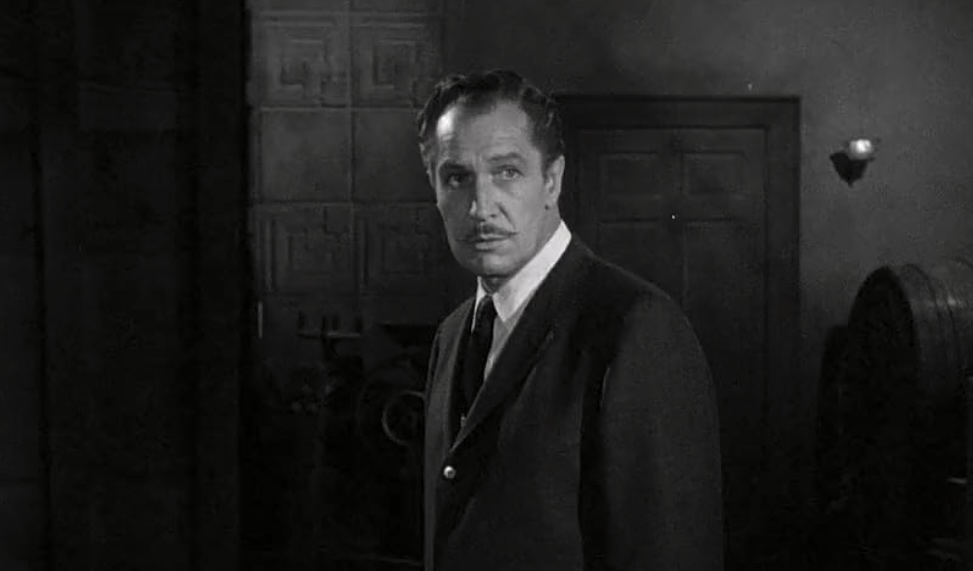
Vincent Price: Horror Film Icon, Born May 27
Vincent Price: Biography and Career

Drama Movie Girls Like Girls: Attraction Between Girls, with Maya da Costa and Myra Molloy - Plot
Girls Like Girls: plot, cast and release of the drama movie with Maya da Costa and Myra Molloy directed by Hayley Kiyoko
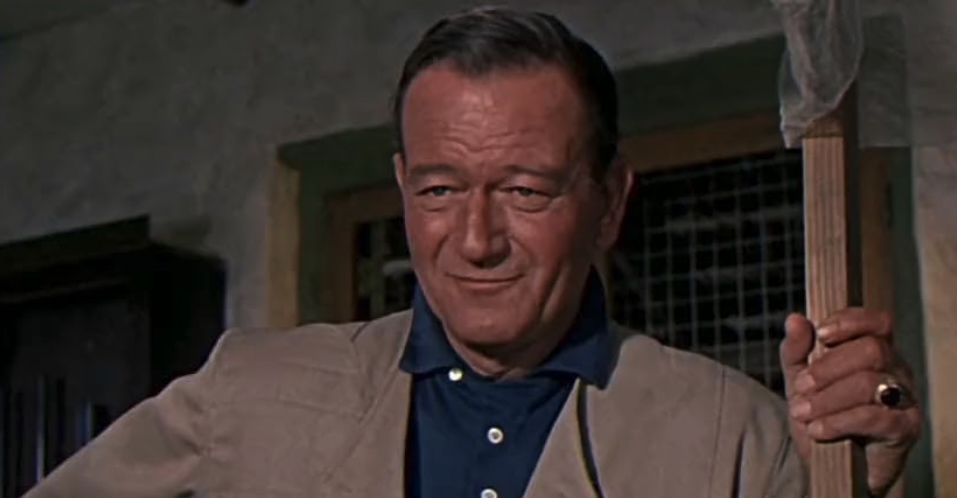
John Wayne: Western Film Icon Born May 26
Biography and Career of John Wayne, Actor and Symbol of Western Cinema