
Maria Montez Hollywood Star Biography: From Dominican Republic to Technicolor Icon
Maria Montez, born on June 6, Early Life and Hollywood Career Beginnings
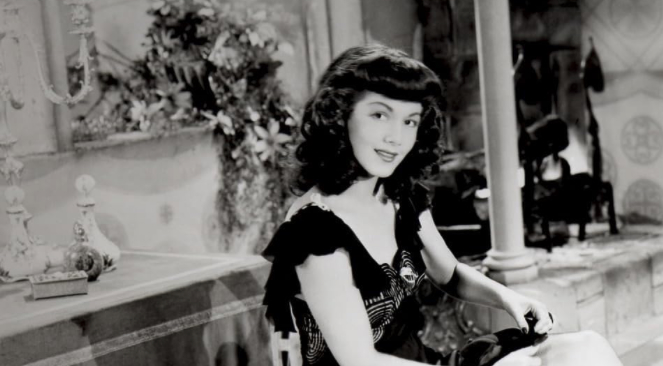
Maria Montez was born on June 6, 1912, in Barahona, Dominican Republic. She moved to New York in 1939 after her marriage to banker William McFeeters ended. Initially working as a model and learning English through American media, she caught the attention of film industry executives through a portrait by McClelland Barclay. Universal Pictures signed her with a contract that included $150 weekly and travel expenses to Hollywood.
Her first film roles were minor, including a single line in The Invisible Woman (1940). To increase her visibility, Montez created the Montez for Stardom Club and distributed photos emphasizing her exotic image. This effort led to her first starring role in South of Tahiti (1941). She became popular among soldiers during World War II, especially after changing her hair color for Moonlight in Hawaii.
Breakthrough with Technicolor Films and Wartime Success
Montez’s major breakthrough came with Arabian Nights (1942), Universal’s first three-strip Technicolor production. Produced by Walter Wanger and co-starring Jon Hall and Sabu, the film was a commercial success. Montez became known for roles as goddesses, queens, and gypsies, often dressed in elaborate costumes. Universal repeated this formula in White Savage (1943), Cobra Woman (1944), and Ali Baba and the Forty Thieves (1944).
Despite commercial success, critics often dismissed these films as superficial. Montez sought more diverse roles, including Cleopatra, but Universal prioritized her exotic persona for box office appeal. After the studio denied her request to produce films with creative control, she sued for discrimination and was awarded $250,000.
Personal Life and Recognition
In 1943, Montez married French actor and writer Jean-Pierre Aumont. The Dominican government honored her with two medals for fostering relations between the United States and the Dominican Republic. Their daughter, Maria Christina, born in 1946, later became actress Tina Aumont.
Oscar History and Later Career
Maria Montez never received an Academy Award nomination. Her films focused on visual spectacle rather than dramatic depth, which may have influenced the Academy’s oversight. Nonetheless, she was Universal’s top box office star during the war years, providing audiences with escapist entertainment.
After World War II, Montez and Aumont moved to France. She appeared in The Siren of Atlantis (1949) and Wicked City (1949), followed by Italian productions The Thief of Venice (1950) and Amore e sangue (1951). Her final film was the German crime drama Schatten über Neapel (1951).
Death and Legacy
Maria Montez died of a heart attack on September 7, 1951, at her home in Paris at age thirty-nine. Her legacy is marked by her mastery of cinematic image and presence. Later filmmakers recognized her as a camp style icon with a self-aware theatricality that foreshadowed postmodern film aesthetics. She remains the most successful Dominican actress in Hollywood history.
A biographical film titled Maria Montez (2014), starring Celines Toribio, dramatized her life and career for modern audiences.
© All rights reserved
You Might Be Interested
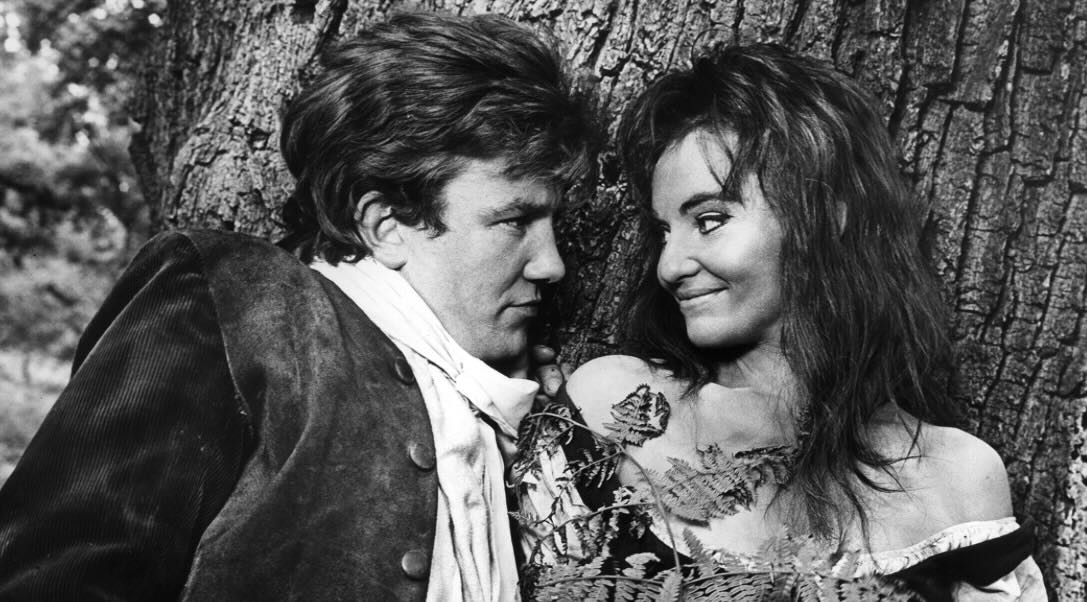
Tony Richardson: British Director Who Revolutionized Cinema with Iconic Films
Biography and Career of Tony Richardson, British Director Born on June 5, 1928

Masters of the Universe: Trivia about the film starring Nicholas Galitzine and Morena Baccarin - plot
Discover Masters of the Universe, the film starring Nicholas Galitzine and Jared Leto. Plot, cast, trailer, and release

By Any Means Movie: FBI Informant Mark Wahlberg, Yahya Abdul-Mateen II - Plot
Discover By Any Means, the thriller movie with Mark Wahlberg, Giancarlo Esposito: plot, cast, trailer, release

Rosalind Russell: Oscar Nominations, Classic Hollywood Films, and Career Legacy
Born June 4, unforgettable in: His Girl Friday
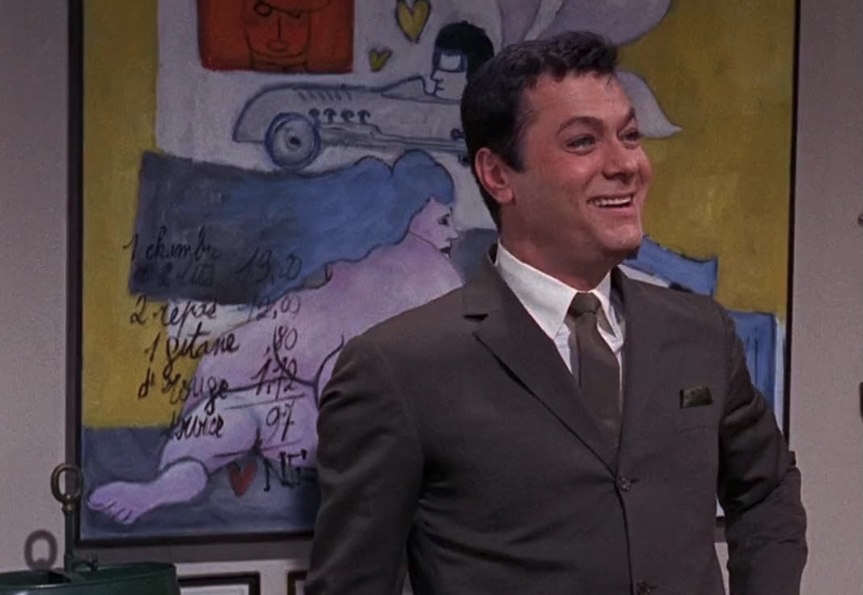
Tony Curtis: Biography and Films to Watch Streaming
Tony Curtis, Hollywood icon born in New York on June 3

The Backrooms 2 Movie: The latest on the horror sequel
Discover The Backrooms 2, the horror film by Kane Parsons starring Chiwetel Ejiofor, Renate Reinsve

Morena Baccarin: Career Overview and Streaming Projects for 2026
Born on June 2. Morena Baccarin’s Early Life and Acting Debut

Marilyn Monroe: Icon of Film History and Hollywood
Marilyn Monroe, born June 1: Film Career and Awards. Everything About Marilyn Monroe, the American Star Without an Oscar