
Tony Richardson: British Director Who Revolutionized Cinema with Iconic Films
Biography and Career of Tony Richardson, British Director Born on June 5, 1928
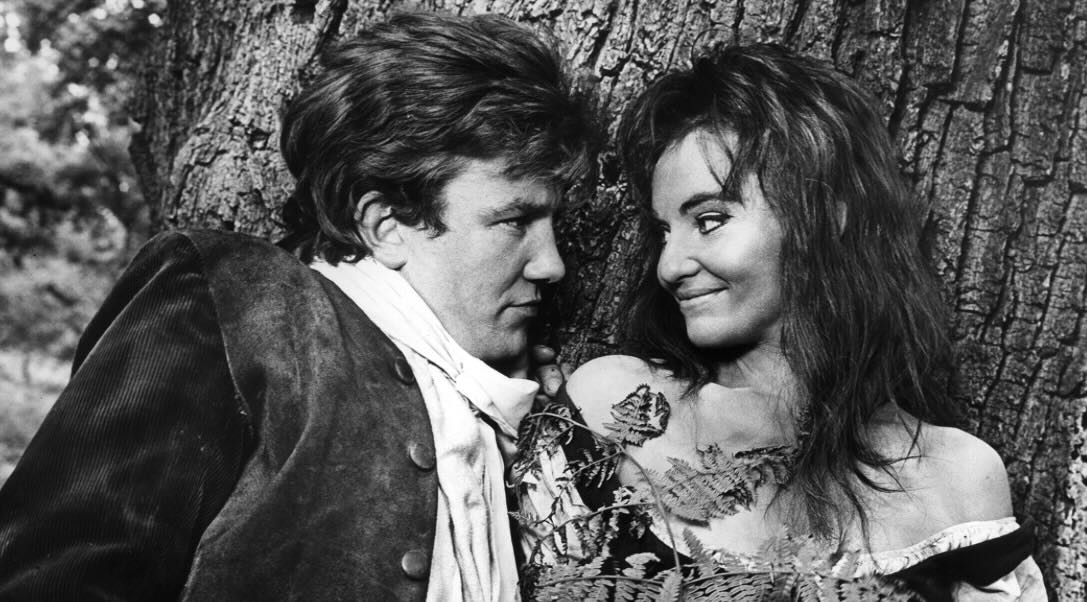
Cecil Antonio Richardson was born on June 5, 1928, in Shipley, West Riding of Yorkshire, England. He grew up in a provincial setting far from the cultural ferment he would later help generate in British cinema. His education developed at the University of Oxford, where he held prominent roles in university theater societies, showing an early interest in directing and theater criticism.
Tony Richardson’s Most Representative Films and His Contribution to British Free Cinema
Richardson began his career with a strong connection between theater and cinema. In 1959, he co-founded Woodfall Film Productions, which became a reference point for the British Free Cinema movement. Among his early works are "Look Back in Anger" (1959), "The Entertainer" (1960), "A Taste of Honey" (1961), and "The Loneliness of the Long Distance Runner" (1962). These films stand out for their social realism and depiction of the English working class, elements that marked a turning point in British cinema of the time.
Tony Richardson’s Oscar Win for “Tom Jones” and Major Nominations
International success came with "Tom Jones" (1963), an adaptation of Henry Fielding’s novel. The film is characterized by an innovative style that breaks the fourth wall and experiments with unconventional narrative techniques. At the 36th Academy Awards in 1964, "Tom Jones" won four Oscars: Best Picture, Best Director for Tony Richardson, Best Adapted Screenplay, and Best Original Score. This recognition placed him among the most prominent British directors able to establish themselves in Hollywood while maintaining a strong artistic identity.
Other Important Films and Tony Richardson’s Career in the ’60s, ’70s, and ’80s
After "Tom Jones," Richardson directed "The Loved One" (1965), a satire on the American funeral industry, and "The Charge of the Light Brigade" (1968), a historical film with a critical perspective. In 1969, he made "Hamlet," starring Nicol Williamson, bringing an intense interpretation of the Shakespearean drama to the screen. In subsequent years, he alternated between cinema and television with titles such as "A Delicate Balance" (1973), "Joseph Andrews" (1977), "The Border" (1982), and "The Hotel New Hampshire" (1984).
Tony Richardson’s Private Life and Final Years
In 1962, he married actress Vanessa Redgrave, with whom he had two daughters, Natasha and Joely Richardson, both actresses. The marriage ended in 1967, but the artistic connection between the families continued in the following years. Richardson’s last directed film was "Blue Sky," completed in 1991 and released posthumously in 1994. The film addresses themes related to nuclear testing during the Cold War and earned Jessica Lange the Oscar for Best Actress. Tony Richardson died in Los Angeles on November 14, 1991.
Tony Richardson’s Legacy in British and International Cinema
Tony Richardson was a leading figure of the British New Wave, a movement that transformed the way stories were told on screen by favoring a more realistic cinema closer to everyday life. His work deeply influenced British and international cinema, demonstrating that film can be both popular art and narrative experimentation.
© All rights reserved

You Might Be Interested
By Any Means Movie: FBI Informant Mark Wahlberg, Yahya Abdul-Mateen II - Plot
Discover By Any Means, the thriller movie with Mark Wahlberg, Giancarlo Esposito: plot, cast, trailer, release
Rosalind Russell: Oscar Nominations, Classic Hollywood Films, and Career Legacy
Born June 4, unforgettable in: His Girl Friday
Tony Curtis: Biography and Films to Watch Streaming
Tony Curtis, Hollywood icon born in New York on June 3

The Backrooms 2 Movie: The latest on the horror sequel
Discover The Backrooms 2, the horror film by Kane Parsons starring Chiwetel Ejiofor, Renate Reinsve
Morena Baccarin: Career Overview and Streaming Projects for 2026
Born on June 2. Morena Baccarin’s Early Life and Acting Debut

Marilyn Monroe: Icon of Film History and Hollywood
Marilyn Monroe, born June 1: Film Career and Awards. Everything About Marilyn Monroe, the American Star Without an Oscar
Box Office Most Watched Movies, 'Backrooms' and 'The Breadwinner' are the New Entries
Discover the ranking of the most watched movies in the USA, from Backrooms to The Mandalorian and Grogu: plot and cast

Horror film Strung, a musical tutor with Chloe Bailey, Lucien Laviscount, Anna Diop - plot
Strung Movie Plot, Cast, and Release Details