
Maria Schell, on the cover of Time magazine, December 30, 1957
Maria Schell was born on January 15, 1926
Maria Schell was born in Vienna to a Swiss father and an Austrian mother. She grew up in Switzerland due to the annexation of Austria by Nazi Germany and began acting at a very young age, debuting at sixteen in the film Sigrit (1942). During the 1950s, she became one of Europe's most celebrated actresses, winning the Best Actress award at the Cannes Film Festival in 1954 for The Last Bridge and the Volpi Cup at the Venice Film Festival in 1956 for Gervaise.
She worked with world-renowned directors such as Luchino Visconti, René Clément, Alexandre Astruc, and Richard Brooks. In 1958, she arrived in Hollywood to star in The Brothers Karamazov. She was the older sister of actor Maximilian Schell, with whom she collaborated on several occasions. In the 1970s and 1980s, she continued her career by alternating between film, television, and theater, also appearing in major productions such as Superman (1978). She died of pneumonia in Carinthia at the age of 79.

Among the most important productions in which she participated are:
- The Last Bridge (Die letzte Brücke), directed by Helmut Käutner (1954)
- Gervaise, directed by René Clément (1956)
- Le Notti Bianche (White Nights), directed by Luchino Visconti (1957)
- The Brothers Karamazov, directed by Richard Brooks (1958)
- The Hanging Tree, directed by Delmer Daves (1959)
- Cimarron, directed by Anthony Mann (1960)
- The Odessa File, directed by Ronald Neame (1974)
- Folies Bourgeoises, directed by Claude Chabrol (1976)
- Superman, directed by Richard Donner (1978)
Starting in the late 1960s, Maria Schell took part in several genre and exploitation cinema productions, primarily directed by Spanish director Jesús Franco. These films deviated from classical melodramas due to the presence of themes related to violence, eroticism, and dark atmospheres:
- 99 Women (Der heiße Tod, 1969): Set in a women's penitentiary, this film belongs to the "Women in Prison" genre and contains sequences of nudity and situations involving sexual violence and sadism. Maria Schell plays Leonore Caroll, the prison warden.
- The Bloody Judge (Il trono di fuoco, 1970): A historical horror film centered on the figure of Judge Jeffreys. The movie includes scenes of torture, executions, and nudity. Schell plays the role of Mother Rosa.
- Marquis de Sade: Justine (1969): An adaptation of De Sade's work, characterized by strong erotic and sadistic tones, in which the actress plays a supporting role (Madame de Lorsange).

Documented Facts
- She appeared on the cover of Time magazine on December 30, 1957.
- In 2002, the documentary My Sister Maria (Meine Schwester Maria) was released; directed by her brother Maximilian, it chronicles her life and illness.
- In Germany, she was nicknamed "Seelchen" (Little Soul) because of her recurring acting style characterized by deep emotional poignancy.
© All rights reserved

You Might Be Interested
Harry Langdon: the childlike face that conquered Hollywood
Council Bluffs, Iowa, June 15, 1884
Box Office Most Watched Movies, 'Disclosure Day' and 'The Furious' are the New Releases
Discover the ranking of the most watched movies in the USA, from Scary Movie to Masters of the Universe, Backrooms: plot
Ben Johnson: The Authentic Cowboy Who Conquered Hollywood
Born June 13, 1918, in Foraker, Oklahoma
Priscilla Lane: The Forgotten Star of Hollywood
Priscilla Lane, born June 12
Gene Wilder: The Legacy of a Genius Born on June 11
The Life and Training of Gene Wilder: From Origins to Broadway

Movie Gail Daughtry and the Celebrity Sex Pass, deal with Zoey Deutch, Jon Hamm - plot
Discover Gail Daughtry and the Celebrity Sex Pass, comedy with Zoey Deutch, Jon Hamm. Plot, cast, reviews, trailer
Judy Garland: Life and Career of the Hollywood Icon Born June 10 in Minnesota
Judy Garland’s Film Career and Oscar Awards
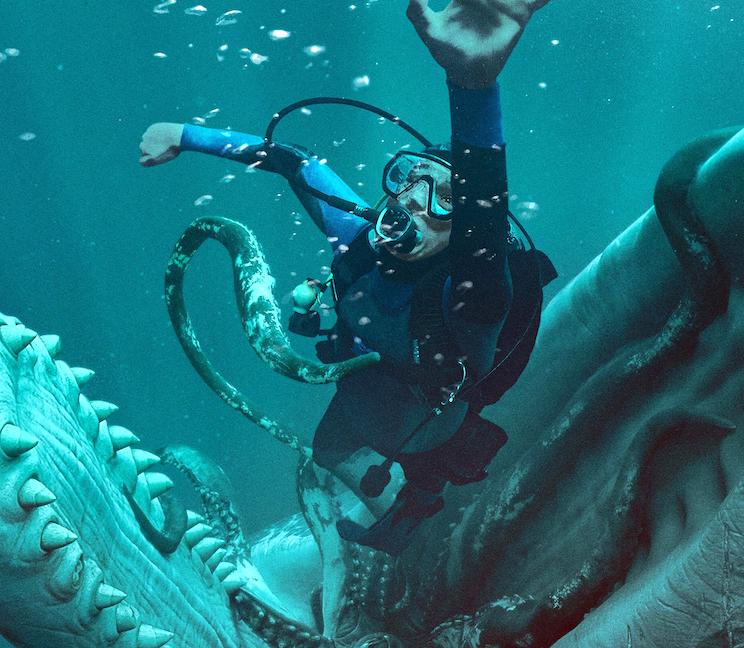
Whalefall Thriller Movie: Swallowed, with Josh Brolin, Austin Abrams - Plot
Discover Whalefall, the thriller movie with Josh Brolin and Austin Abrams. Plot, cast, trailer, release date.