
Martin Landau: The Actor Who Drew Comics
Brooklyn, June 20, 1928
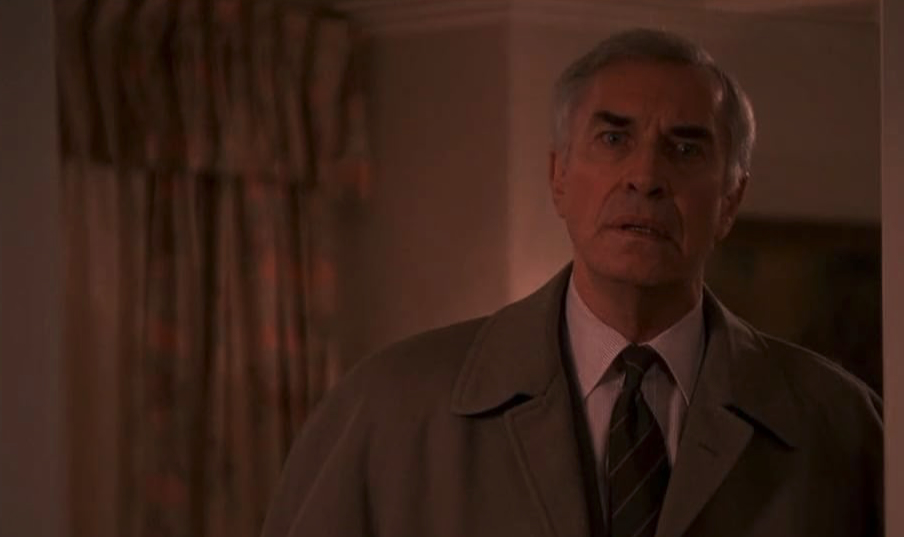
Before becoming an actor, Martin Landau worked as a cartoonist for the New York Daily News. At seventeen he had found a position in the newspaper’s editorial office, where he remained five years as an illustrator. That career in drawing ended when he decided to dedicate himself to theater.
In 1955 he auditioned for the Actors Studio along with two thousand other aspiring actors. Only two were admitted: him and Steve McQueen. Lee Strasberg received them differently. During a session, Strasberg publicly criticized Landau for an hour in front of Kim Stanley, Geraldine Page, Marilyn Monroe and Patricia Neal, analyzing the acting choices he had made in a recent television production. Landau remembered that experience as formative for his approach to acting.
At the Actors Studio he met James Dean. The two walked the streets of New York together, discussed theater and cinema. Dean was twenty-three and still played high school students, while actors like Paul Newman at twenty already seemed like men. When Dean died on September 30, 1955, Landau wrote to the writer’s adoptive parents. “I wish I were better at expressing my sympathy. This boy had every reason in the world to live.”
Hitchcock called him in 1959 for “North by Northwest” in the role of James Mason’s henchman. On the set of “Cleopatra” in 1963 he played Rufio, but much of his work was cut during editing. Television made him known with “Mission: Impossible” from 1966 to 1969, where he acted alongside his wife Barbara Bain. Gene Roddenberry had wanted him for the role of Spock in “Star Trek,” but Landau refused. The role went to Leonard Nimoy, who joined the cast of “Mission: Impossible” when Landau left the series over a contract dispute. Then came “Space: 1999” from 1975 to 1977, again with Bain.
The eighties were a period of minor work. Landau taught acting and accepted low-budget productions. He was sixty when Coppola called him for “Tucker: The Man and His Dream” in 1988. The role of financier Abe Karatz earned him his first Oscar nomination and a Golden Globe. The following year Woody Allen wanted him for “Crimes and Misdemeanors” in the role of a surgeon who decides to kill his mistress to save his own reputation. Allen gave him almost no direction during filming, leaving him free to develop the character. Landau thought he was about to be fired because of that silence, without understanding that for Allen it meant trust. His second Oscar nomination arrived.
The statuette came in 1995 for Tim Burton’s “Ed Wood.” His transformation into the aging Bela Lugosi captured the theatrical figure of the Hungarian actor and his fall into addiction. At sixty-six, Landau obtained the recognition that had eluded him twice.
He continued teaching at the Actors Studio West in Los Angeles until his final years, personally conducting the Friday session every week. Final auditions to enter the Studio still attracted crowds of aspiring actors, just as when he and McQueen had been the only two admitted out of two thousand candidates.
He died on July 15, 2017 at Ronald Reagan UCLA Medical Center from complications after surgery. He was eighty-nine. He is buried at Beth David Cemetery in Elmont, Nassau County, New York.
© All rights reserved
You Might Be Interested
Charles Coburn: the gentleman who conquered Hollywood at sixty
Born June 19, 1877, in Macon, Georgia
Thriller Movie The Lottery: $300 Million with Belmont Cameli, Sofia Wylie, Madison Thompson - Plot
La lotteria: trama, cast e ambientazione del thriller con Belmont Cameli e Sofia Wylie.

Comedy Movie 40 Dates and 40 Nights, dating app with Bailee Madison, Joel Courtney - plot
40 Dates and 40 Nights: plot, cast and release of the movie with Bailee Madison and Joel Courtney

Blanche Sweet: The Actress Who Invented the Modern Heroine, Forgotten by Hollywood
Born on June 18
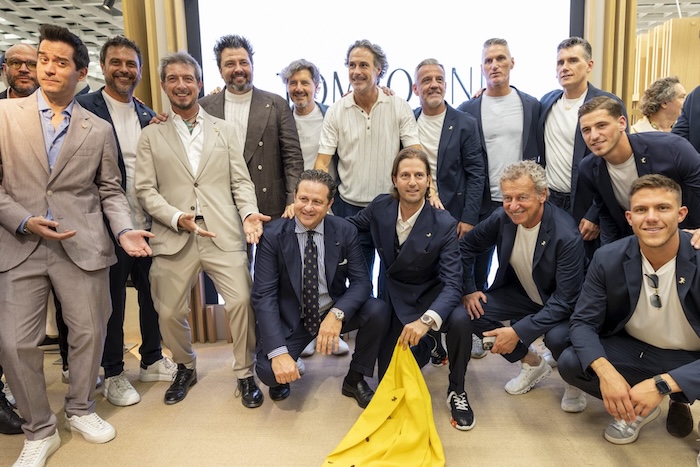
Tombolini at Pitti Uomo 110: Lightness as the New Frontier of Menswear
Shrek 5 Movie, News on the Sequel
Discover Shrek 5, the movie with Mike Myers, Cameron Diaz, Eddie Murphy. Plot, cast, release, trailer

The Echo Chamber Movie, Voice in the Room with Luca Marinelli, Alicia Vikander, Susan Sarandon
The Echo Chamber: plot, cast and production of the movie with Luca Marinelli

Ken Loach: The Master of Social Cinema Hollywood Has Never Awarded
Born June 17, On October 24, 2026, Loach will receive the Lifetime Achievement Award