
Olivia de Havilland: The Legacy She Left to Hollywood’s Future Generations
Born July 1, 1916
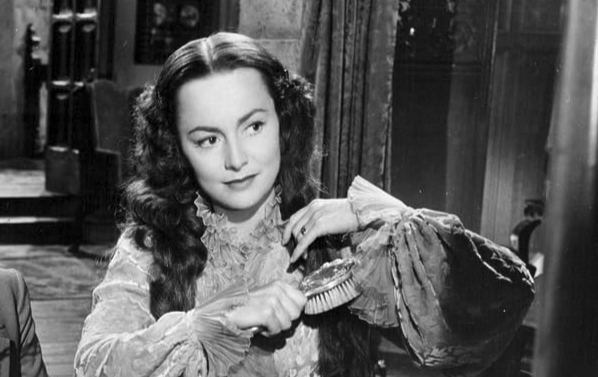
Olivia de Havilland occupies a singular place in American film history, not only for the longevity of her career but for the way she moved through different eras of the industry, leaving a recognizable imprint at every stage. Her artistic path began almost by chance: chosen by Max Reinhardt for a production of A Midsummer Night’s Dream, she was quickly drawn into the studio system when Warner Bros. offered her a contract that made her a steady on‑screen presence within months. American audiences first discovered her as the ideal partner for Errol Flynn, with whom she formed one of the most popular screen pairings of the 1930s. Films such as Captain Blood (1935) and The Adventures of Robin Hood (1938) cemented her image as a gentle, luminous heroine, a figure who seemed to belong to a chivalric and romantic world.
The role that secured her place in collective memory was Melanie Hamilton in Gone with the Wind (1939). Her measured, understated performance earned her a first Academy Award nomination in the supporting actress category, which that year went to Hattie McDaniel. The nomination signaled that Hollywood was beginning to recognize the depth of her work, but it was in the 1940s that de Havilland broke free from ingénue roles and secured more complex parts. Her legal battle against Warner Bros., resolved in 1945, changed industry rules: the so‑called De Havilland Law established that studios could not arbitrarily extend contract terms, a precedent that shaped the careers of generations of actors.
Freed from contractual constraints, de Havilland chose projects that allowed her to explore more intense dramatic registers. To Each His Own (1946) brought her the first Oscar for Best Actress, while The Snake Pit (1948) demonstrated her ability to tackle psychologically demanding themes with a sensitivity rare for the era. Her second Oscar came with The Heiress (1949), where her portrayal of Catherine Sloper, directed by William Wyler, remains one of the high points of postwar American cinema. In total, she earned five nominations, a testament to the continuity of her professional prestige.
In the 1950s, de Havilland moved to Paris while maintaining a steady connection with American audiences through selected films and television appearances. Among the most representative titles of this period are Light in the Piazza (1962) and Hush… Hush, Sweet Charlotte (1964), works that confirmed her versatility and her ability to adapt to a cinema increasingly distant from the logic of the classic studio system. Her roles in miniseries such as Roots: The Next Generations (1979) and Anastasia: The Mystery of Anna (1986) allowed her to engage with a new generation of viewers and earned her recognition in the television field.
Olivia de Havilland’s career is dotted with details that reveal her reserved yet determined nature. She was one of the very few stars of Hollywood’s golden age to live past one hundred, maintaining a clarity of mind that allowed her to reflect on her professional journey with remarkable detachment. The rivalry with her sister Joan Fontaine, often amplified by the media, never overshadowed her reputation as a disciplined performer attentive to the quality of her projects. Today, her legacy remains central for anyone studying the evolution of acting in American cinema: an example of how discipline, more than image, can define a career built to endure.
© All rights reserved
You Might Be Interested
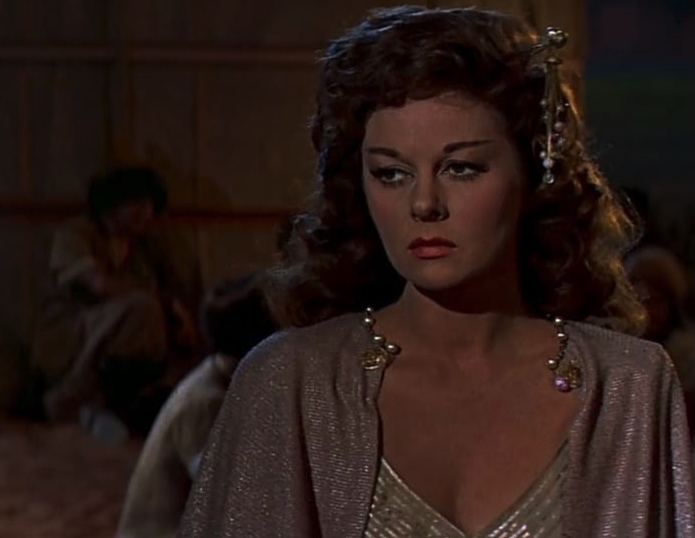
Susan Hayward: The Brooklyn Girl Who Conquered Hollywood
Born June 30, 1917 – A Career Forged in Rejection and Resilience

Minions & Monsters: Trivia About the Film's Sequel
Discover Minions & Monsters, plot, cast, release
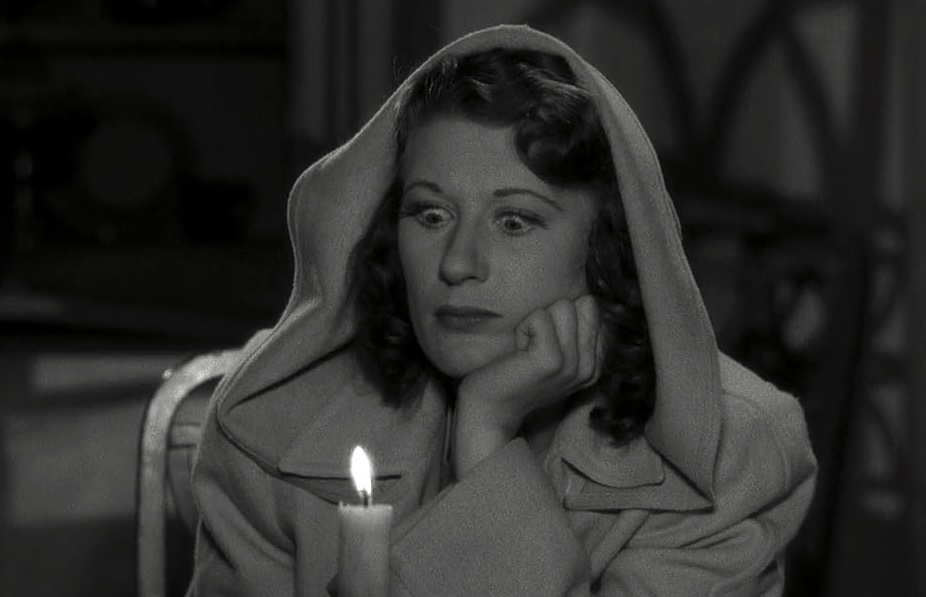
Joan Davis: The Slapstick Queen Who Conquered Vaudeville, Radio, and Television
Born June 29, 1907, St. Paul, Minnesota

Box Office Most-Watched Movies: 'Supergirl' and 'Jackass: Best and Last' Are the New Entries
Discover the rankings of the most-watched movies in the USA, from Supergirl to Toy Story 5: plot and cast
.jpg)
Harvey Keitel at Filming Italy Sardegna: 'The Power of Aesthetics Can Change the Way People Think'
The festival will take place from June 25 to 28 in Cagliari and at Forte Village.
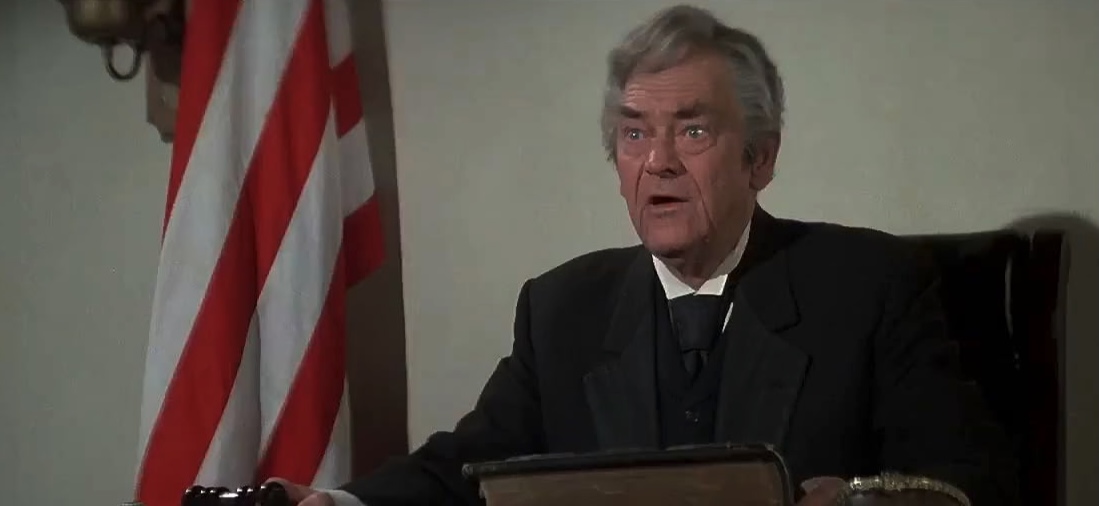
John McIntire: A Steady Presence in Hollywood’s Golden Age
Born June 27, 1907, Spokane, Washington
.jpg)
Stuart Fails to Save the Universe: The Big Bang Spin-Off TV Series, Preview
Kevin Sussman returns as Stuart Bloom in the sci-fi comedy. Streaming from July 24 on HBO Max with weekly episodes.

Elite Force - GIGN: The New Thriller Series with Tomer Sisley
Action thriller with Tomer Sisley and the support of the French elite unit. Streaming from July 22 on Netflix.