
John McIntire: A Steady Presence in Hollywood’s Golden Age
Born June 27, 1907, Spokane, Washington
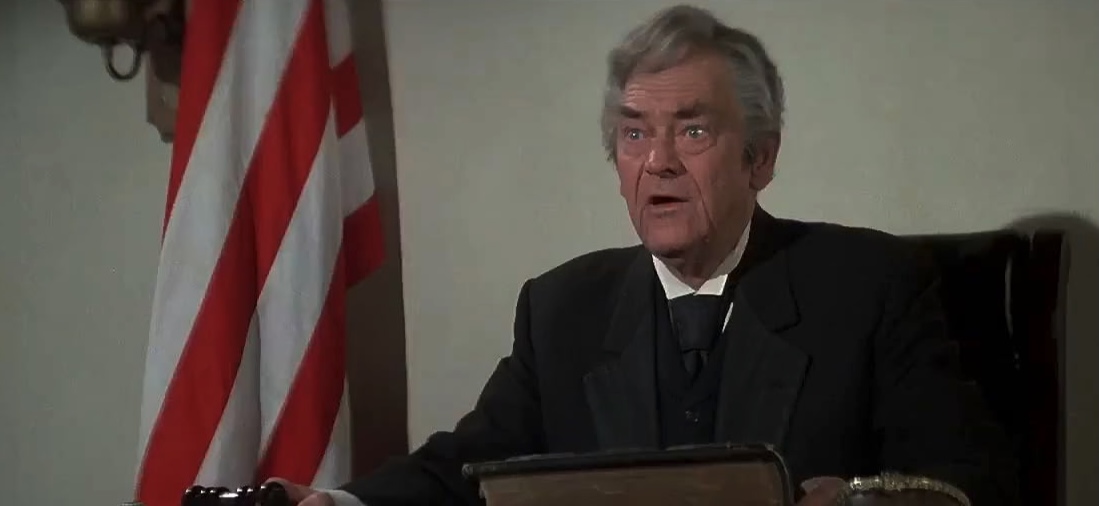
John McIntire’s career is a testament to the enduring power of the character actor in classic Hollywood cinema. Born in Spokane, Washington, in 1907, McIntire carved out a niche for himself as a reliable and versatile supporting actor, often embodying authority figures, rugged frontiersmen, and complex secondary roles. While he never received an Oscar nomination, his work contributed significantly to some of the most memorable films and television series of his era.
McIntire began his career in the theater before transitioning to film in the late 1930s. His early screen appearances were modest, but his distinctive voice and commanding presence quickly made him a sought-after character actor. One of his first notable film roles came in The Ox-Bow Incident (1943), a western drama that has since become a classic for its moral complexity and stark portrayal of frontier justice. McIntire’s portrayal of a steadfast townsman added gravitas to the ensemble cast, setting the tone for many similar roles to come.
Throughout the 1940s and 1950s, McIntire became a familiar face in westerns and dramas alike. He appeared in Winchester ’73 (1950), starring James Stewart, where his role as a rancher contributed to the film’s tense atmosphere. Another significant performance was in The Far Country (1954), again alongside Stewart, where McIntire’s portrayal of a seasoned prospector added depth to the narrative of ambition and survival in the Alaskan frontier.
Despite his extensive filmography, McIntire’s contributions extended beyond the big screen. He became a regular presence on television during the 1960s, notably stepping into the role of the patriarch in the popular series Wagon Train after the death of Ward Bond. His portrayal brought a steadying influence to the show, maintaining its popularity during a transitional period. McIntire’s television work further cemented his reputation as a dependable actor capable of anchoring ensemble casts.
While McIntire never achieved the kind of recognition that leads to Oscar nominations or wins, his career reflects the essential role of character actors in Hollywood’s storytelling tradition. His ability to embody a wide range of supporting roles with authenticity and nuance made him an invaluable asset to filmmakers and audiences alike. His legacy is one of quiet professionalism and consistent craftsmanship, qualities that often go unheralded but are vital to the success of many classic films and television programs.
John McIntire passed away in 1991, leaving behind a body of work that continues to be appreciated by fans of classic American cinema and television. His career serves as a reminder that not all contributions to film history are measured by awards, but by the lasting impression left through steady and skilled performances.
© All rights reserved

You Might Be Interested
.jpg)
Harvey Keitel at Filming Italy Sardegna: 'The Power of Aesthetics Can Change the Way People Think'
The festival will take place from June 25 to 28 in Cagliari and at Forte Village.
Eleanor Parker: The Redhead Who Refused to Compromise
Born June 26, 1922, Cedarville, Ohio
Film Les Misérables: social redemption with Vincent Lindon, Tahar Rahim, Camille Cottin - plot
Les Misérables: plot, cast and setting of the movie with Vincent Lindon and Tahar Rahim
Sidney Lumet: The Director Who Told New York’s Story
Born June 25, 1924, in Philadelphia
Adrienne Shelly: The Actress Who Never Saw the Success of Waitress
Born June 24, 1966, in Queens, New York
Comedy Movie The Debut: Theatrical Role with Halle Bailey, Julianne Moore, Paul Giamatti - Plot
Musical Comedy by Jesse Eisenberg with Julianne Moore: Plot, Cast and News on the Movie in Production
Bob Fosse: A Career in Dance and Direction
Born June 23, 1927 in Chicago, Illinois

Film Supergirl: Woman of Tomorrow, trivia
Supergirl: Woman of Tomorrow is the upcoming action film. Plot, cast, trailer, interviews