
Victor Fleming: from Gone with the Wind to The Wizard of Oz
Victor Fleming, born February 23, 1889, Academy Award winner for Gone with the Wind
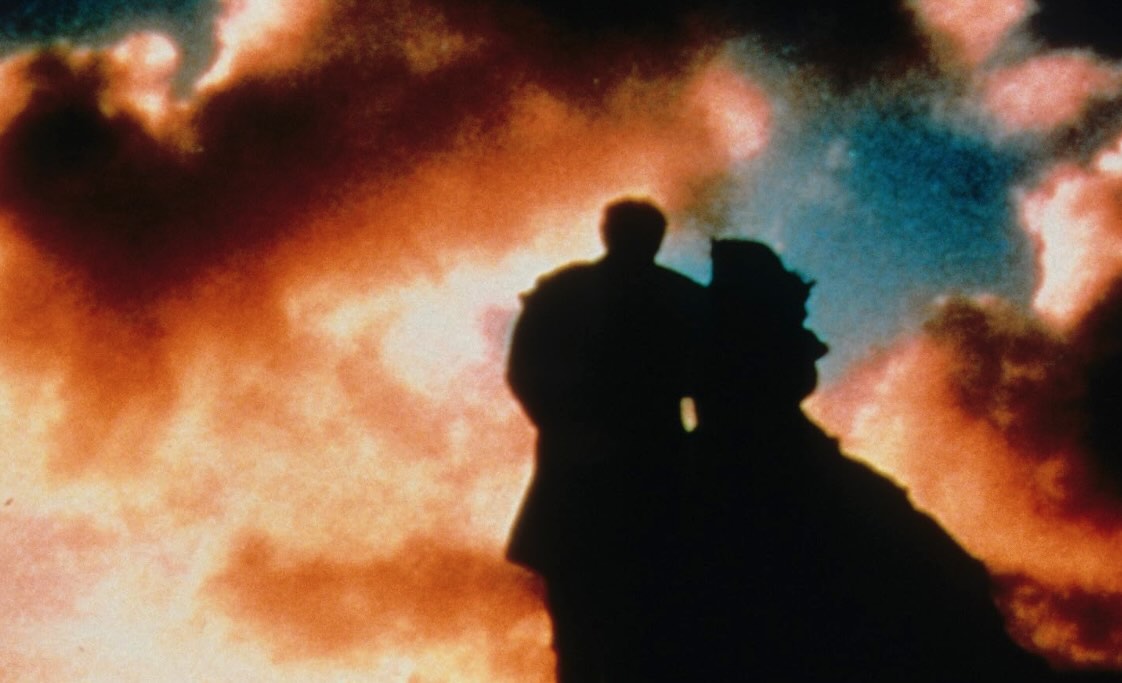
Victor Fleming was born on February 23, 1889, in La Cañada Flintridge, California, in a context still characterized by the rural dimension of the state. His entry into the film industry occurred through an atypical path: before dedicating himself to directing, he worked as a mechanic and chauffeur. The technical expertise acquired in the automotive field constituted the means of access to the film sector. The encounter with director Allan Dwan, resulting from the repair of a vehicle, determined his insertion as assistant cameraman. This technical training influenced his entire professional trajectory, conferring upon him competencies in managing complex and technologically advanced productions.
Fleming's transition toward directing was defined during the silent film era, but his definitive affirmation coincided with the introduction of sound. Metro-Goldwyn-Mayer recognized his capabilities in directing actors and coordinating large-scale productions. In the 1930s he realized works such as Red Dust (1932) and Captains Courageous (1937), which attested to his narrative mastery. 1939 represented the culmination of his career: Fleming directed, in rapid succession or simultaneously, two monumental productions: The Wizard of Oz and Gone with the Wind.
Fleming was frequently assigned to intervene on problematic productions, thanks to his pragmatic method and decision-making capacity. In Gone with the Wind he replaced George Cukor, imprinting a more epic stylistic direction. The management of the project, despite its dimensions and productive complexities, led to a significant commercial and critical result. In 1940 he obtained the Oscar as Best Director for this film. The technical contribution to The Wizard of Oz, particularly the chromatic transition from black and white to Technicolor, constituted a professional achievement comparable to the success of Gone with the Wind.
Fleming's filmography also includes Dr. Jekyll and Mr. Hyde (1941) and Joan of Arc (1948), his final work. His working method was characterized by a direct approach, oriented toward resolving logistical problems and valorizing male performers. Fleming died in 1949 from cardiac arrest, concluding a thirty-year career that defined parameters of classic American cinema. Contemporary analysis recognizes his capacity to reconcile industrial demands with visual solutions that maintain technical relevance in studies on editing and the management of complex filming.
© All rights reserved
You Might Be Interested
Howard Hawks, Undisputed Master of Hollywood
Born May 30
The Furious, Kenji Tanigaki Interview
The statements of Kenji Tanigaki - Director
Bob Hope: Biography, Films and Career of the American Comic Actor | Where to Watch His Films in Streaming
Born on May 29

Sci-fi Movie O Horizon, Reconnection with Father with Maria Bakalova, David Strathairn and Adam Pally
Sci-fi and Romance Movie: The Plot, cast, trailer, release of O Horizon
Primetime Crime Movie, Hidden Cameras with Robert Pattinson, Anna Faris, Phoebe Bridgers - Plot
Primetime: Plot, cast, and release date for the crime film starring Robert Pattinson and Anna Faris based on a true stor
Ian Fleming: Architect of the James Bond Saga
Ian Fleming, Born May 28
‘The Last Cargo’: Entertainment with a Purpose
Directed by Actor-Director Christian de la Cortina | Produced by Vanessa Cáceres
Vincent Price: Horror Film Icon, Born May 27
Vincent Price: Biography and Career