
Al-Qarafa: The City of the Dead Where the Living Reside
The City of the Dead in Cairo
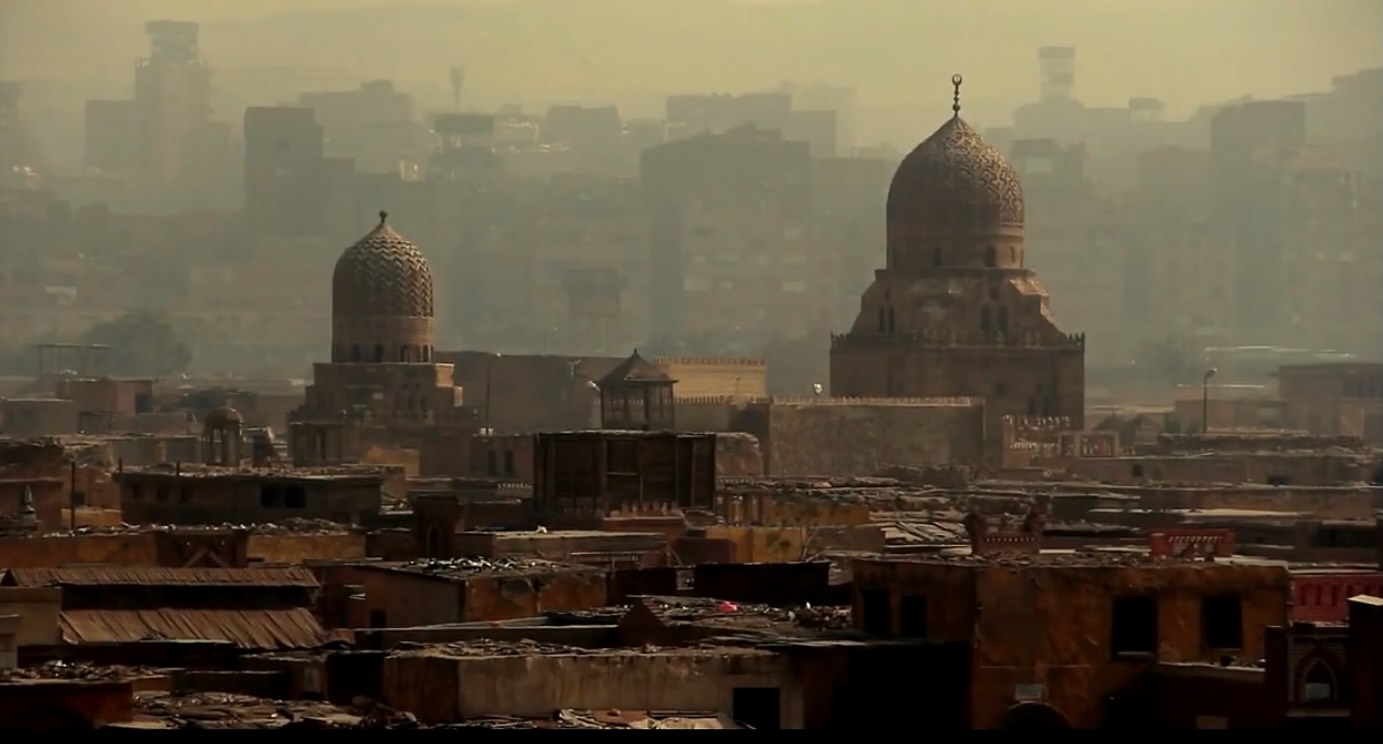
The City of the Dead in Cairo
When we think of the living and the dead coexisting, the mind often jumps to zombie movies or recent horror series like Van Helsing. However, that is not the only scenario one might encounter when coming across the so-called City of the Dead. In Egypt, this coexistence doesn't stem from fiction or Dawn of the Dead; rather, it finds its roots in the simple, practical need for shelter and housing.
In Egypt, there is a cemetery inhabited by the living—citizens dwelling among the deceased. Although many of the tombs lack electricity, the area is equipped with streets featuring cafes and local shops where tourists can even stop for a break. It is perhaps one of the most evocative yet haunting locations in Cairo.
The Origins of Cairo’s Necropolises
The beginnings of Cairo’s necropolis date back to the founding and expansion of Fustat, established in 642 AD by 'Amr ibn al-'As, the Arab Muslim commander who led the conquest of Egypt. Initially, the area served the traditional purpose of burial grounds. The first Muslim city was divided into several khittat, or plots of land, assigned to various tribes. Each tribe built its own cemetery and funerary district—often including a mosque—in the desert area east of the city.
However, it was during the Fatimid period (between 969 and 1171 AD) that the popular tradition of visiting the tombs of family members and ancestors during holidays emerged—or rather, was reborn. It was during this time that people began living in the cemeteries; the new buildings within the Qarafa (a name derived from the Yemeni clan that owned a plot of land there) required a large workforce, and new religious foundations began attracting scholars and Sufis.
Attempts to expropriate the area occurred in the 15th century, with authorities officially banning citizens from living in the Qarafa. Consequently, many structures were left unguarded and were looted. By the beginning of the 16th century, the explorer Leo Africanus described the ancient Qarafa (the Southern Cemetery) as being inhabited by approximately two thousand families.
Napoleon Bonaparte and the City of the Dead
When Ottoman rule ended following Napoleon Bonaparte’s invasion in 1798, the French cited hygiene concerns as the reason for banning burials within the city limits. Cemeteries inside the city walls were destroyed and their contents moved, leaving only the Qarafa—located outside the city walls—as Cairo’s primary burial site.
Population growth eventually led people back to these structures. In the late 1800s, Cairo’s housing shortages incentivized relocation; many old buildings in the city's historic districts were demolished to make way for modern structures, pushing much of the poor and working class toward the outskirts. This was compounded by rural-to-urban migration, which increased throughout the 20th century. By the 1897 census, the population of the districts encompassing the cemeteries was estimated at 30,969 inhabitants.
Tomb-Dwellers: The Living Residents of the Graves
After 1950, rapid urbanization and modernization spurred a wave of migration that Cairo was ill-equipped to handle. As the government excluded the poorest classes from welfare initiatives, the urgent need for makeshift housing grew. Unofficial dwellings began to spring up without government approval in areas where people could find space to build or where they could demolish and incorporate older structures.
The 1992 Cairo earthquake served as a turning point for the expansion of the City of the Dead. Many people moved into their family tombs, fueling the phenomenon of "tomb-dwellers"—squatters living among the graves due to displacement or the city's housing shortage. In the 1980s, it was estimated that 6,000 people lived within the Qarafa specifically, but the total population residing across various cemetery zones reached 180,000. Rent was non-existent, and utilities—such as electricity and sanitation—were still in the early stages of development.
From Clerks to Merchants: Who Lives in the City of the Dead?
Old Cairo continues to tell stories that are as evocative as they are marked by poverty. Urbanization and industrialization drew many people from surrounding areas into Cairo’s necropolis, which lies just beyond the old city. This phenomenon, born from a housing crisis, was seemingly "solved" by living rent-free.
What began as an informal occupation of both active and abandoned family tombs has evolved into a community that includes office clerks, laborers, and workers from the commercial and retail sectors.
© All rights reserved

You Might Be Interested
Bebe Daniels: The Pioneer of the Family Sitcom
Bebe Daniels was born on January 14, 1901
Jack the Ripper, A Case Still Open: The Latest Investigations
A case that remains open, despite the DNA theory.

Florida International Trade and Cultural Expo 2024: Global Opportunities and Cultural Exchange
Learn Florida International Trade and Cultural Expo: exhibitors, news

CrimeCon in Orlando: From crime to new movies and TV shows, answers are sought
CrimeCon was held in Orlando
Modern trends in asset tracing and asset recovery in Spain
Asset recovery in Spain

Percy Jackson & the Olympians 3, the news waiting for the film
The Lightning Thief: The Percy Jackson is the musical on stage.

The Flash season 6, all the news on the TV series
The Flash has had good public success

House of Cards season 7, the possibilities of the TV series
House of Cards has as its new protagonist Robin Wright