
Interview Banchi Hanuse about the movie "Ceremony": the story and resurgence of the Nuxalk Nation
A conversation on authentic storytelling, challenges, and the film’s central themes
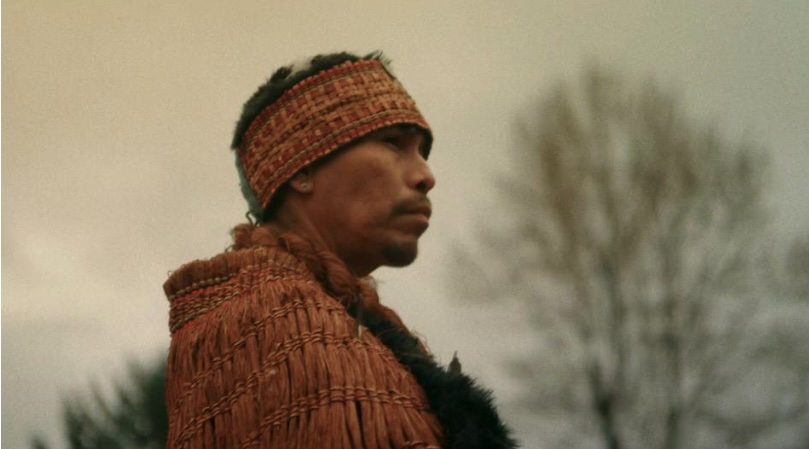
Can you briefly tell us the plot of CEREMONY and what are the main themes the film addresses?
The film is about the Nuxalk Nation located in Bella Coola, Nuxalkulmc (Nuxalk Territory) as we confront the disappearance of the sputc (ooligan), a li’l fish that has sustained us nutritionally and economically for generations. The story is told through community, Nuxalk Radio broadcasts, rare archival, watercolour animation and on-the-ground scientific monitoring. It traces how colonial policies and industrial extraction contributed to the loss of not only the collapse of the fish, but of our own people.
The central themes include: Indigenous sovereignty, cultural resurgence and spirituality, the connection between people and the natural world.
What inspired you to make this film? Was there an event, book, or personal story that guided your vision?
The film began as a request from Nuxalk leadership and once I started, it became a responsibility I couldn’t shake. I felt accountable to Nuxalkmc (Nuxalk people) and to our ancestors.
We grew up hearing from our Elders about the how smallpox were brought to Nuxalkulmc (Nuxalk territory) and that history has always stayed with me.
My connection to the story is also personal. As a kid, sputc season was a beautiful time. I remember playing by the river, catching fish with my bare hands and my grandmother giving me a teaspoon of ooligan grease when I was sick.
In terms of guidance, I found the film infiltrating my dreams. I thought and prayed about it constantly.
When the sputc stopped returning, the question for our community was not only ecological, it was existential. The film grew out of that and the refusal to accept that the disappearance was just how things are.
How did you work to authentically and respectfully represent Indigenous culture and history in the film?
This film is told by the community, for the community. I worked with Nuxalk cultural leaders to ensure that the story was heading the right way. Nuxalk voices, their direct testimony and history run throughout the film through Nuxalk Radio… a central way of telling the story from within the community. The film took nearly 12 years and a lot of that was determing what the community needed and ensuring it was done in the right way.
What were the most significant challenges during production and how did you overcome them?
One of the biggest challenges was working with a story that contains generations of trauma such as colonial land dispossession, the deliberate spread of smallpox, the ongoing struggles over our territory and resource extraction. These truths are deeply emotional for community members and required careful respectful storytelling.
Another challenge was the uncertainty around the ooligan and wanting to tell a hopeful story. We were filming a real process as it unfolded year-after-year without a guarantee about what would happen.
How does the film seek to engage and educate audiences about historical and contemporary issues related to Indigenous peoples?
The film brings audiences into how colonial history and industrial extraction have shaped life in the Bella Coola Valley. It looks at the smallpox epidemic, the seizure of Nuxalk lands, the collapse of the sputc run and how these histories still affect our community today.
It brings viewers into the community where Nuxalk Radio has many of the conversations in the film. We also follow people working on the river, rebuilding village sites and reviving ancestral practices.
What future projects do you have in the works, and are there any themes or stories you feel you want to explore further?
This past summer I learned about an incredible story connected to one of our village sites and I’m pretty glued on wanting to learn more and to share that story. I can’t say too much yet because I haven’t sought permission to tell it. Right now my focus is on getting “Ceremony” out into the world, but I find a lot of the stories I’m drawn to involve reconnection to land and the natural world.
Is there a particular message you hope will stay with viewers after they see CEREMONY?
The aim was to leave people with the sense that we need to return to a spiritual way of living where the lands, waters and other beings are not seen as separate from us, but a part of us. What happens in Nuxalkulmc (Nuxalk territory), impacts us all… no matter where you are in the world, for we are all under the same sun.
© All rights reserved

You Might Be Interested
Toy Story 5, Joan Cusack and Greta Gerwig interview
The statements of Joan Cusack and Greta Gerwig

Disclosure Day, Steven Spielberg and and Colman Domingo interview
The statements of Steven Spielberg and Colman Domingo

Disclosure Day, Emily Blunt interview
The statements of Emily Blunt and Josh O’Connor

Cape Fear, LA Premiere, Amy Adams, Javier Bardem and Lily Collias interview
The statements of Amy Adams, Javier Bardem and Lily Collias - Streaming starting June 5

Natalie Moon Interview
In the cast of *Backrooms*, directed by Kane Parsons

Scary Movie, Olivia Rose Keegan interview
The statements of Olivia Rose Keegan

Scary Movie, Kim Wayans interview
The statements of Kim Wayans

Scary Movie, Anna Faris interview
The statements of Anna Faris