
Paralyzed by Hope: The Maria Bamford Story, Neil Berkeley Interview
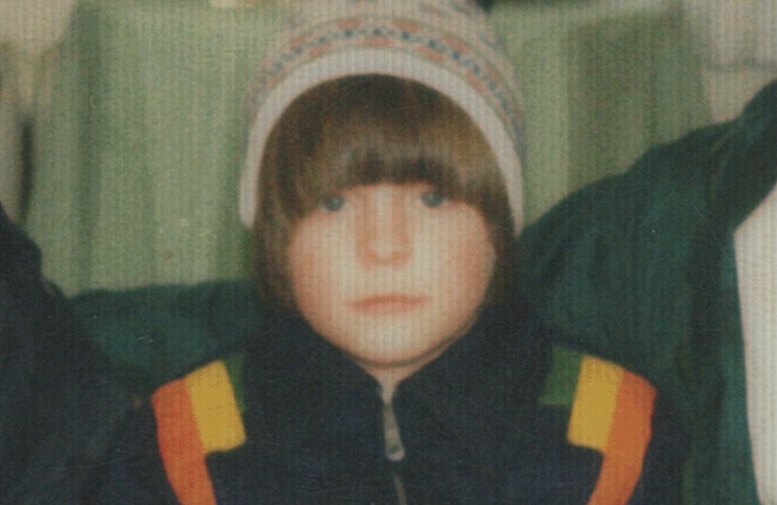
Neil, you have documented eccentric and brilliant artists in the past: how did you have to adapt your visual language to translate Maria's inner “voices” and fragmented psyche onto the screen without being didactic?
Collaborating on the direction with Judd Apatow, how did you balance the instinct of the “storyteller” with the documentary need to remain faithful to the naked truth?
I think the two go hand in hand. We always want to be truthful in our storytelling but we're also fully aware that we're whittling a person's life down to ninety minutes so it's never truly objective. That said, the moments, both tragic and successful, did end up fitting nicely onto a timeline. Not that anyone's life is ever lived in any sort of framework but I think we ended up with a movie that tells her story in honest way but also holds an audience attention as we move through the storytelling beats of her life...and our movie.
The film makes use of family archives and unpublished private videos: how did the discovery of these childhood films change the direction of the documentary, and how did they influence the structure of the final edit?
Any time a subject shows up with a box of old photos and videos you get very, very excited. If anything, this material allows us to live in certain moments of her life for a longer period of time and offer the audience a real arc in the subject's story. It also let us explore characters, like her Mother, in a deeper, more meaningful and more visual way. As far as Maria's other archive, having these allowed us to make the movie feel more like her. Rather than cutting to a talking head all the time we were able to use videos she had made and work she had created to move us through the film.
“Paralyzed by Hope” is a title that evokes strong emotional tension: from a directorial point of view, how did you manage the delicate balance between the darkness of Maria's moments of crisis and the surreal lightness of her comedy?
For us, that balance was always front and center in our storytelling. Maria's material has always been very personal so we knew we'd be able to tell her story from the stage. In fact, there's a version of this movie that is all material she delivered in front of an audience. But with comedy there's always some liberties taken with a story and levity added by delivering a punchline. Luckily for us, Maria was very open in her interviews so having the jokes followed by a very raw telling of the actual stories was incredibly impactful.
After spending so much time in close contact with Maria's world, what do you hope the audience will understand about her that doesn't necessarily come across in her stand-up specials or television performances?
I hope they realize that Maria is someone that has found the thing they are meant to do on this earth and, while she's certainly not finished figuring things out, she's always trying to find a way to stay healthy and sane. The unsaid moral to this story is that we're all a little messed up and we're all going through it, regardless of how things may seem or how successful we are. I think the fact that Maria turns her experiences into material is proof that we're not alone and that yes we can laugh at these things...and we can help each other get through them.
© All rights reserved
You Might Be Interested
.jpg)
Interview with Richard Gadd
Richard Gadd participated in Italian Global Series
Interview with Natasha Lyonne
Natasha Lyonne participated in the Italian Global Series in Riccione
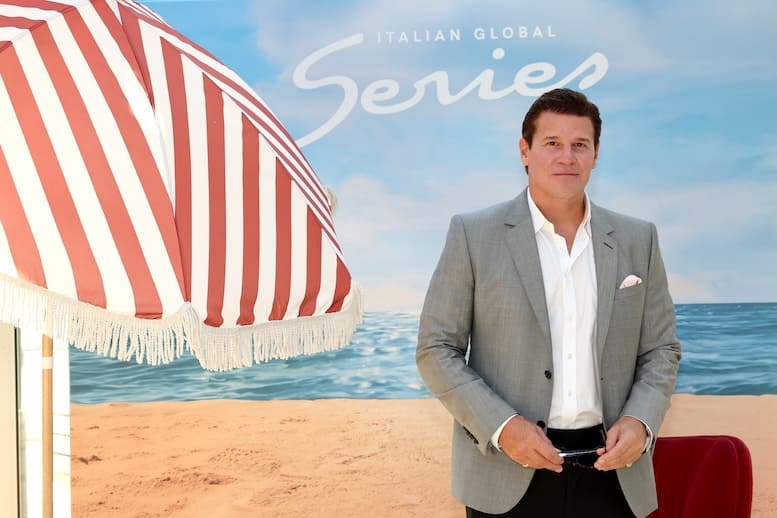
Interview with David Boreanaz: From Buffy the Vampire Slayer to Angel, Bones, and SEAL Team
David Boreanaz looks back on his career from Buffy the Vampire Slayer to Angel, Bones, and SEAL Team.

60 Years of Star Trek Awards Ceremony: Interview with Celia Rose, Jeri Ryan, Rebecca Romijn, Anson Mount, Nicholas Meyer
.jpg)
Interview with David W. Zucker and Nicholas Meyer, the evolution of international serialization
David W. Zucker and Nicholas Meyer: The Evolution of Seriality: Writing, Production, and Worldbuilding
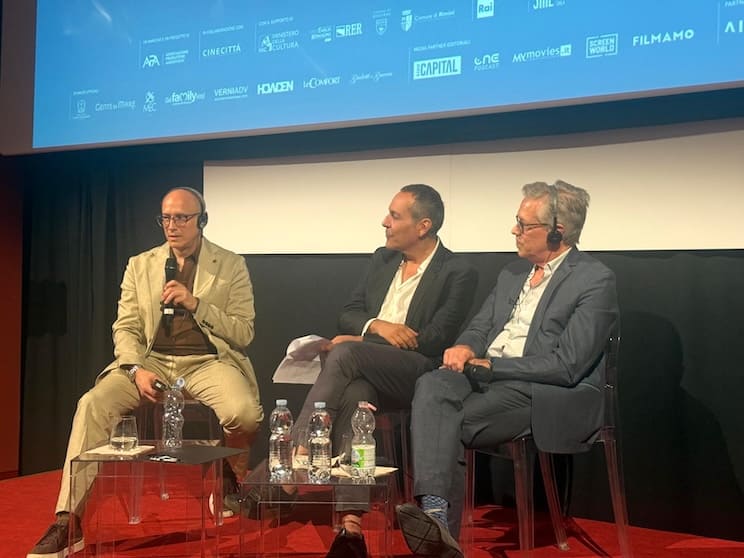
Inside American TV Series, interview with David E. Zucker and Steve Stark
Italian Global Series is on second edition

Minions & Monsters, cast interview: Jeff Bridges, Zoey Deutch and Jesse Eisenberg
Releasing on July 1, 2026
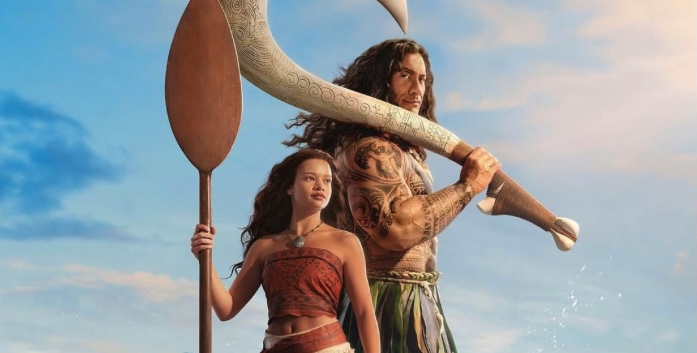
Moana, cast interview: Dwayne Johnson, Catherine Laga’aia
Releasing on August 19, 2026