
Anthony Quinn: Biography and Iconic Films of the Mexican-American Actor
Anthony Quinn: April 21, 1915, Origins and Early Film Career
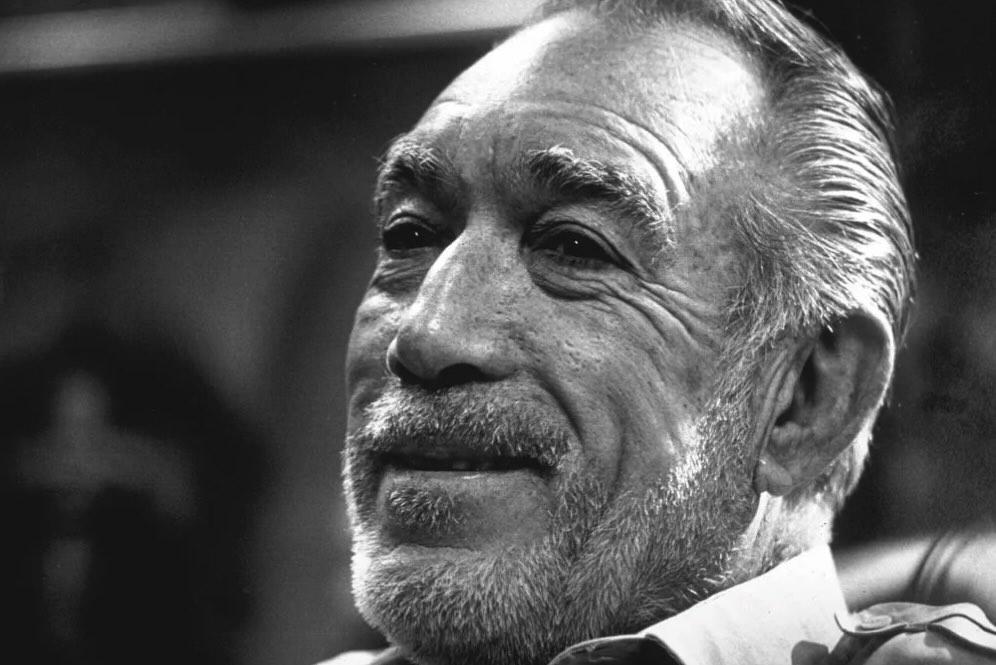
Manuel Antonio Rodolfo Quinn Oaxaca was born on April 21, 1915, in Chihuahua, Mexico. His family soon moved to the United States, settling between El Paso and East Los Angeles, where he grew up speaking both Spanish and English. Before entering the film industry, Quinn tried various professions, including boxer and architect, until his film debut in 1936 with The Plainsman by Cecil B. DeMille, playing a Cheyenne warrior.
Key Roles and Films in the 1930s and 1940s
During the 1930s and 1940s, Quinn mainly played supporting roles, often characterized by ethnic stereotypes such as Native Americans, Italian gangsters, and Arab chiefs. Notable films from this period include Road to Morocco with Bing Crosby and Bob Hope, They Died with Their Boots On with Errol Flynn, and Blood and Sand (1941) with Tyrone Power and Rita Hayworth, where he played a bullfighter. In 1947, he replaced Marlon Brando on Broadway in A Streetcar Named Desire, demonstrating significant theatrical skills.
Oscars and Recognitions: Wins and Nominations
1952 marked a turning point in Quinn’s career. In Elia Kazan’s Viva Zapata!, he played Eufemio Zapata, brother of the revolutionary Emiliano Zapata, a role that earned him the Oscar for Best Supporting Actor. He was the first Mexican-American actor to receive this honor. In 1956, he won his second Oscar in the same category for Lust for Life, portraying Paul Gauguin alongside Kirk Douglas as Vincent van Gogh. His nominations include Best Actor for Wild Is the Wind (1957) and Zorba the Greek (1964).
European Collaborations and International Films
Between 1952 and 1956, Quinn worked extensively in Europe, especially Italy. He collaborated with Federico Fellini in La Strada, playing Zampanò, a prominent role in the film that won the Oscar for Best Foreign Language Film. He also appeared in productions like Ulysses and portrayed Attila the Hun in a film with Sophia Loren. These roles reinforced his image as an international actor.
The 1960s: Notable Films and Iconic Role in Zorba the Greek
In the 1960s, Quinn appeared in successful films such as The Guns of Navarone (1961) and Lawrence of Arabia (1962), where he played the Bedouin leader Auda abu Tayi. In 1964, he landed the role that would define his career: Zorba in Michael Cacoyannis’ Zorba the Greek. The film became a classic, and the final scene featuring the sirtaki dance became iconic. Quinn received a second Oscar nomination for Best Actor for this role.
Professional Activity in the 1970s and 1980s
During the 1970s and 1980s, Quinn continued working in Hollywood and international productions, including The Secret of Santa Vittoria, The Shoes of the Fisherman, Lion of the Desert, and The Message. His career also extended to television with numerous appearances. In 1986, he received the Cecil B. DeMille Award at the Golden Globes for lifetime achievement.
Death and Cinematic Legacy
Anthony Quinn died on June 3, 2001, in Boston from respiratory failure at the age of 86. His filmography includes over one hundred films, two Oscar wins, and four nominations. His career exemplifies versatility and intense performances, with roles spanning various ethnicities and cultures, contributing to a more inclusive and international cinema.
© All rights reserved
You Might Be Interested
Dana Wynter: The Classic Elegance of Hollywood
Discover the career of Dana Wynter, born in Berlin on June 8, 1931, an icon of Hollywood cinema and American television.

Box Office Most Watched Movies, 'Scary Movie' and 'Masters of the Universe' are the New Entries
Discover the ranking of the most watched movies in the USA, from Scary Movie to Masters of the Universe, Backrooms: plot
Movie&Short Festival, the partners
Movie&Short Festival Locarno 2026: Partners and Cultural Collaborations | Fondazione Fellini & TransMedia Group
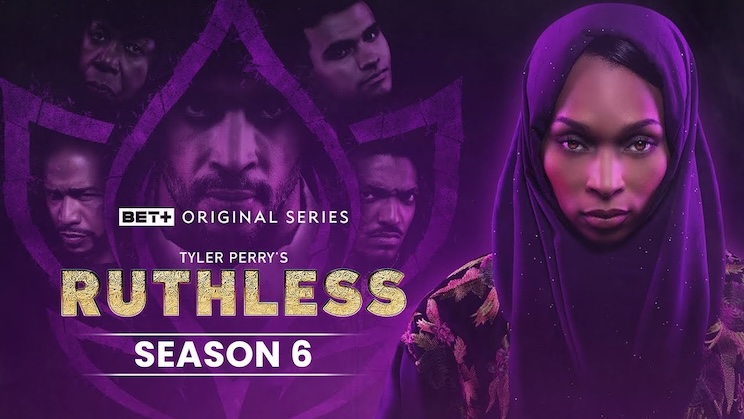
Ruthless: News on the Sixth Season of the TV Series
Tyler Perry’s dramatic thriller returns to Paramount+ with new episodes and rising tensions in the Rakudushi cult
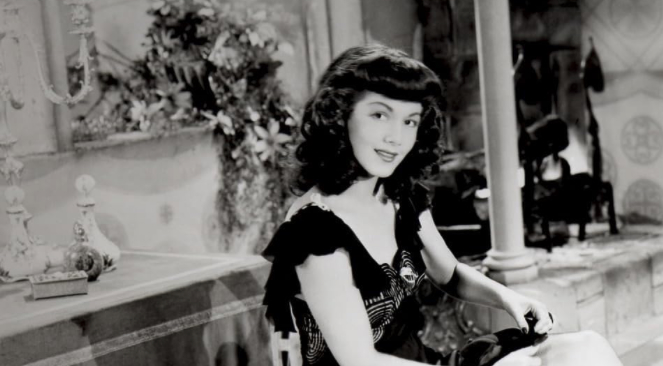
Maria Montez Hollywood Star Biography: From Dominican Republic to Technicolor Icon
Maria Montez, born on June 6, Early Life and Hollywood Career Beginnings
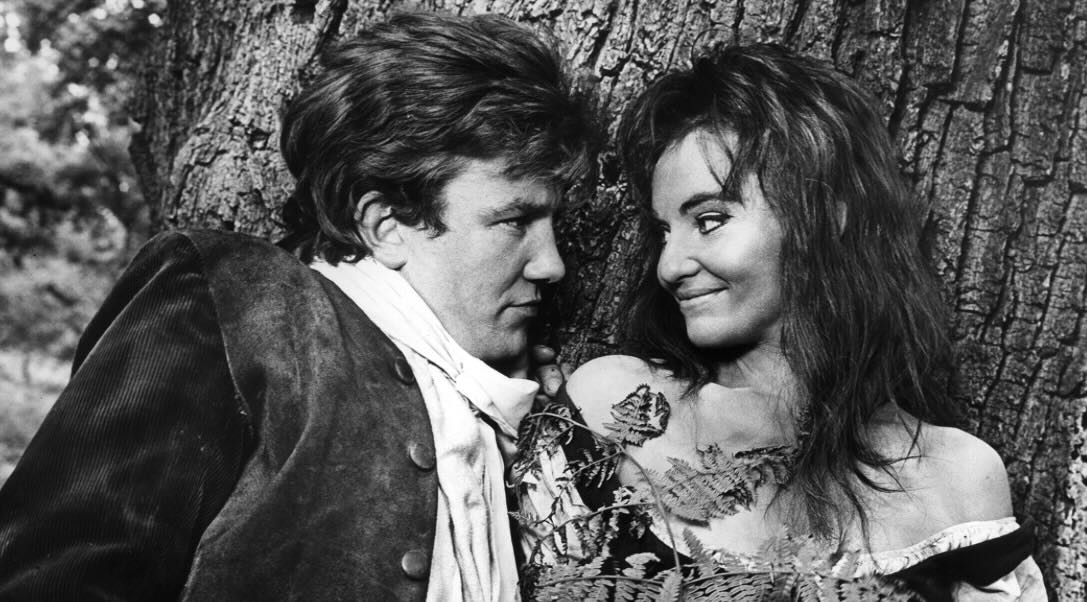
Tony Richardson: British Director Who Revolutionized Cinema with Iconic Films
Biography and Career of Tony Richardson, British Director Born on June 5, 1928
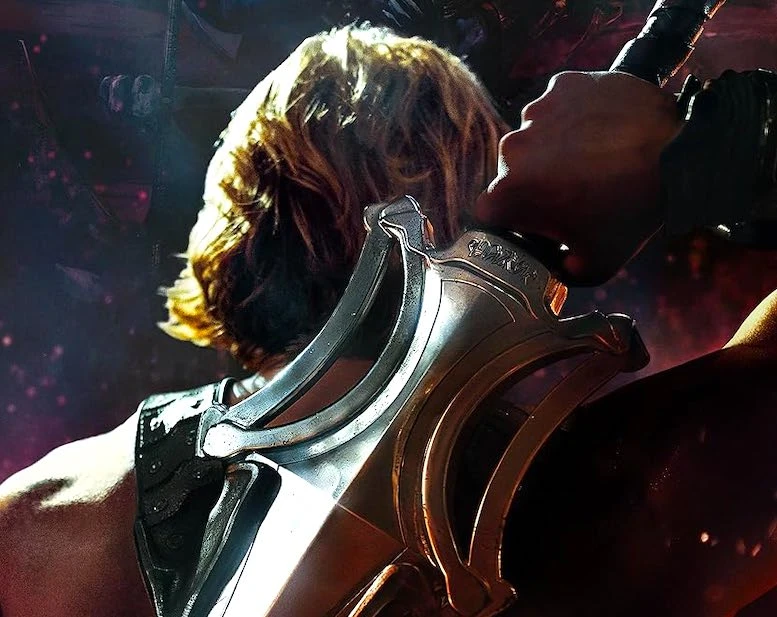
Masters of the Universe: Trivia about the film starring Nicholas Galitzine and Morena Baccarin - plot
Discover Masters of the Universe, the film starring Nicholas Galitzine and Jared Leto. Plot, cast, trailer, and release
By Any Means Movie: FBI Informant Mark Wahlberg, Yahya Abdul-Mateen II - Plot
Discover By Any Means, the thriller movie with Mark Wahlberg, Giancarlo Esposito: plot, cast, trailer, release