
Interview with author Morgan Housel
The Art of Spending Money is the book by Morgan Housel
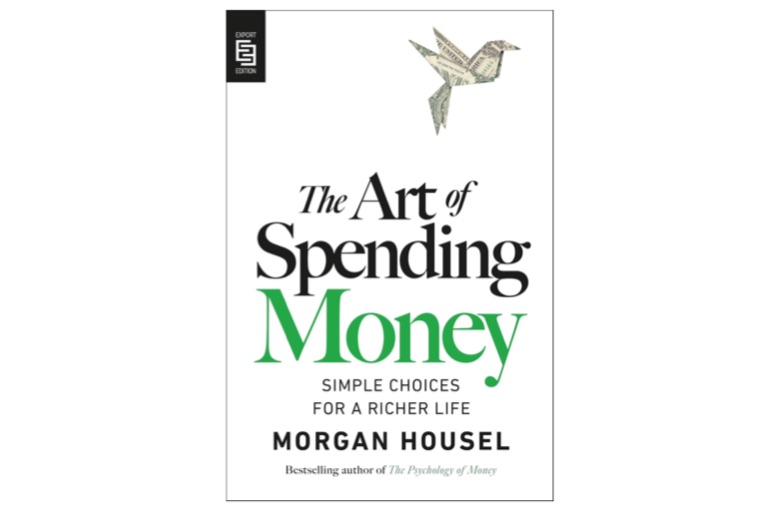
Morgan Housel has published several books, including The Art of Spending Money and The Psychology of Money, both of which became best sellers.
The Art of Spending Money: Simple Choices for a Richer Life, shows you how to balance your budget wisely. Is there a limit beyond which it is acceptable to spend more than you have?
There can always be emergencies. I’d do anything to take care of my family. But what I really want out of money is independence. And from a financial perspective, all independence is accumulated savings you didn’t spend.
How do you approach spending in your daily life?
I’ve never had a budget, but savings has always come naturally to me – I’ve always spent far less than I made. I buy anything I want, but maybe the trick is I don’t want that much? I get a lot of pleasure out of doing things that don’t cost a lot of money, and I’m very internal-benchmark focused. I want to be happy in my own head, rather than living a life that I think is appealing or impressive in someone else’s head.
The Psychology of Money: Timeless Lessons on Wealth, Greed, and Happiness, on the other hand, shows you how to save. If you had a budget set aside, what advice would you give today: leave it untouched or opt for some form of investment? What do you think of the cryptocurrency boom? Is it a bubble?
Here’s an important thing with investments: Every investment is just a number from today multiplied by a story about tomorrow. With a stock, that’s this year’s profits multiplied by what you think the company’s future prospects are. That’s what a valuation is. But with crypto, there’s no “number” from today. So the story about tomorrow is 100% of the valuation. And in a social media driven world, how crazy can the stories become? Unbelievably crazy. People can believe anything they want. Zero is an appropriate crypto price. So is infinite.
How does the savings-to-spending ratio differ between the United States and Europe?
Every household is different, but in general I think Europeans are willing to sacrifice upside potential in order to gain downside protection, and Americans want unlimited upside potential even if there’s little to no downside protection. Another way to frame that is it’s better to be rich in America but it’s better to be poor or middle class in Europe.
Could you give us a sneak preview of your next work?
I’m still trying to figure that out myself. A lot of writers try to force ideas, and it rarely works. I try not to force things. When I get an idea, I’ll run with it. But not a second before then.
© All rights reserved
You Might Be Interested
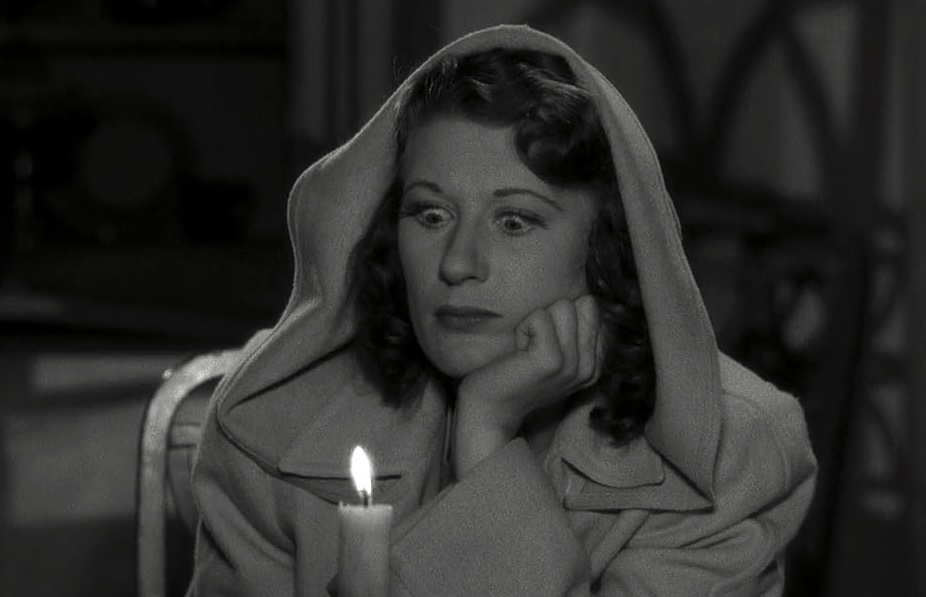
Joan Davis: The Slapstick Queen Who Conquered Vaudeville, Radio, and Television
Born June 29, 1907, St. Paul, Minnesota

Box Office Most-Watched Movies: 'Supergirl' and 'Jackass: Best and Last' Are the New Entries
Discover the rankings of the most-watched movies in the USA, from Supergirl to Toy Story 5: plot and cast
.jpg)
Harvey Keitel at Filming Italy Sardegna: 'The Power of Aesthetics Can Change the Way People Think'
The festival will take place from June 25 to 28 in Cagliari and at Forte Village.
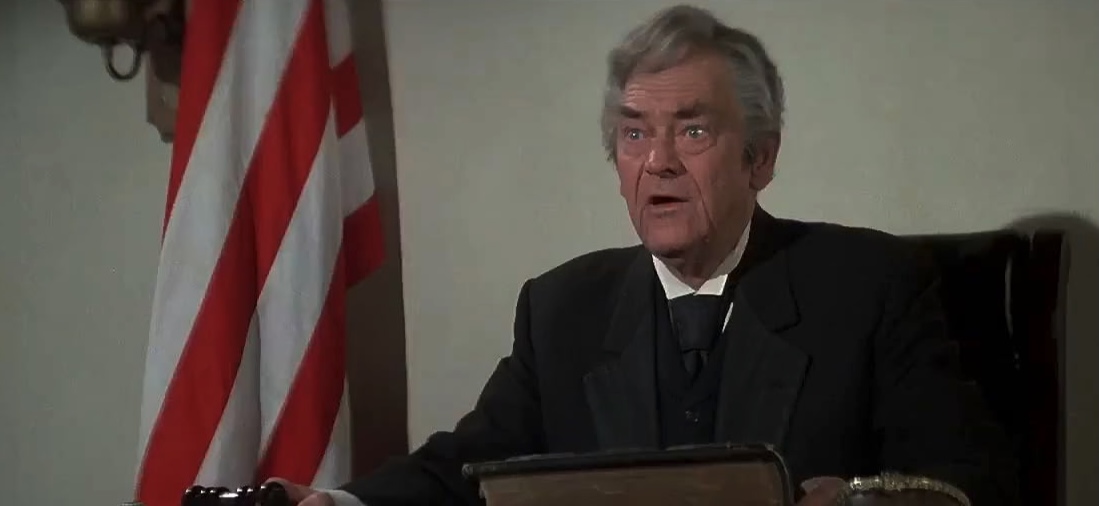
John McIntire: A Steady Presence in Hollywood’s Golden Age
Born June 27, 1907, Spokane, Washington

The Map of Longing: The Netflix Series Based on Alice Kellen's Novel
The Map of Longing arrives on Netflix July 17, 2026: Spanish series cast, plot and release details
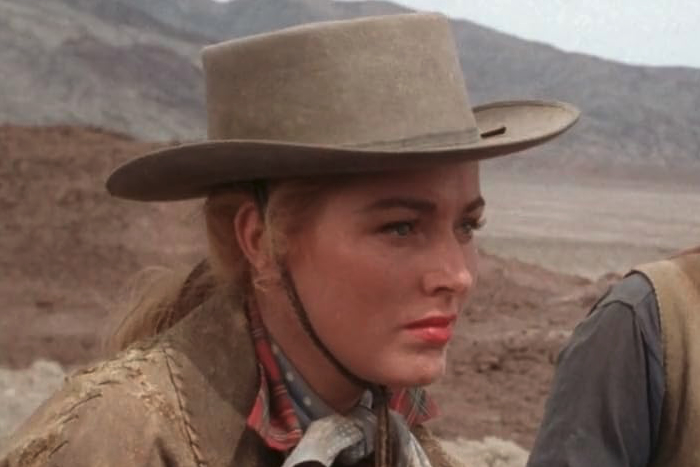
Eleanor Parker: The Redhead Who Refused to Compromise
Born June 26, 1922, Cedarville, Ohio

Film Les Misérables: social redemption with Vincent Lindon, Tahar Rahim, Camille Cottin - plot
Les Misérables: plot, cast and setting of the movie with Vincent Lindon and Tahar Rahim
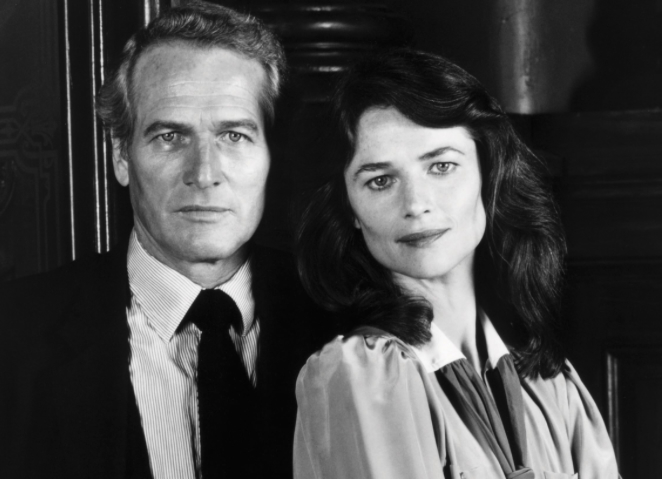
Sidney Lumet: The Director Who Told New York’s Story
Born June 25, 1924, in Philadelphia