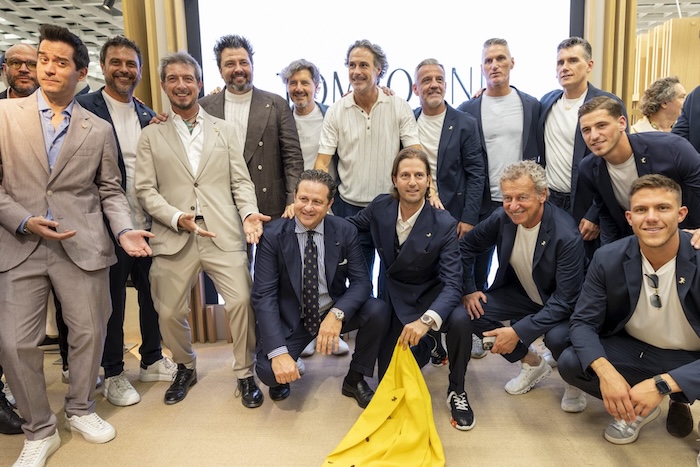
Milan Fashion Week: spring summer 2026 collection

Jean Simmons: A Professional Retrospective of a Transatlantic Career

From British Cinema Origins to Hollywood Stardom and Television Accolades
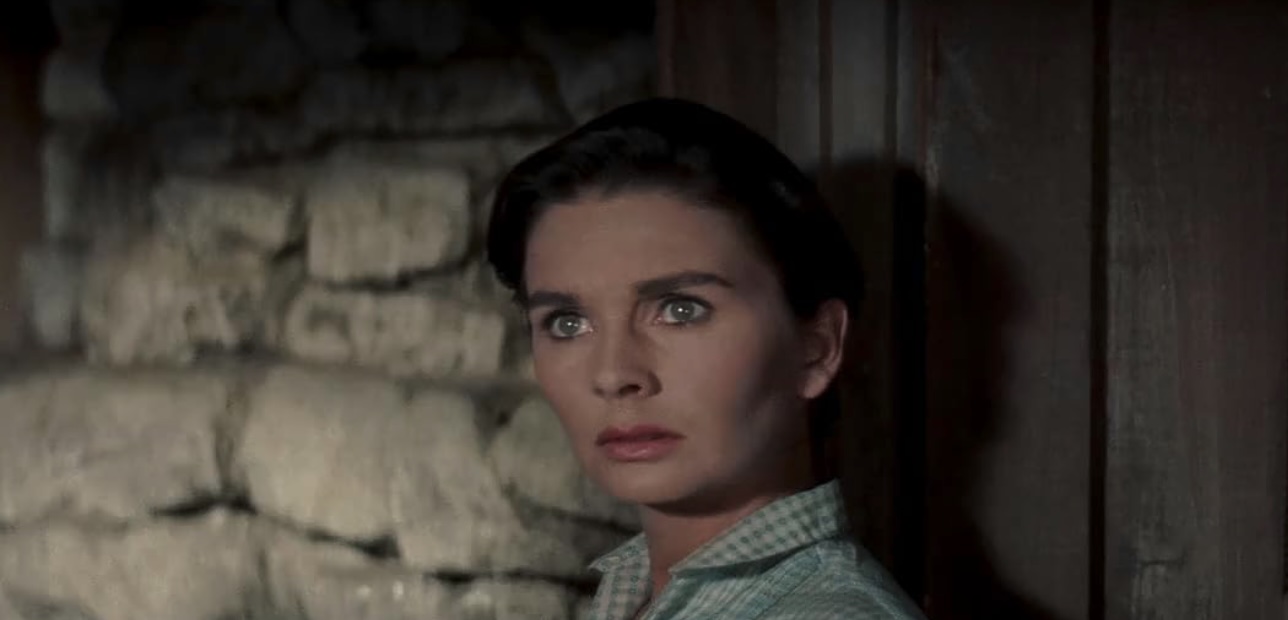
Jean Simmons: A Professional Retrospective of a Transatlantic Career

The professional trajectory of Jean Simmons (1929–2010) spanned over six decades, defined by a strategic transition between the British film industry and the Hollywood studio system. Her entry into the sector occurred in 1944 with Give Us the Moon, preceding collaborations with directors such as David Lean in Great Expectations (1946) and Michael Powell and Emeric Pressburger in Black Narcissus (1947). Her international work was firmly established by Laurence Olivier’s 1948 adaptation of Hamlet; her portrayal of Ophelia earned her the Volpi Cup at the Venice Film Festival and an Academy Award nomination for Best Supporting Actress.


Upon relocating to the United States in the early 1950s, Simmons integrated into major studio productions. This era was characterized by participation in diverse genres, ranging from the film noir Angel Face (1952) to the biblical epic The Robe (1953), notable as the first feature released in CinemaScope. In 1955, her performance in the musical Guys and Dolls earned her a Golden Globe for Best Actress in a Motion Picture – Comedy or Musical. Concurrently, in 1956, the Italian film industry recognized her contributions with a Targa d’oro at the David di Donatello Awards.


The mature phase of her cinematic career involved large-scale projects with prominent filmmakers. Key highlights from this period include the Western The Big Country (1958) and Stanley Kubrick’s historical epic Spartacus (1960). In 1969, her work in The Happy Ending resulted in a second Academy Award nomination, this time in the Best Actress category.


During the 1970s and 1980s, Simmons adapted her career to shifting market demands by pivoting toward television. This professional shift culminated in a 1983 Emmy Award win for her role in the miniseries The Thorn Birds. In subsequent years, her presence extended to cult television projects, such as Star Trek: The Next Generation, and feature films including How to Make an American Quilt (1995). The final chapter of her career also encompassed voice acting for animation, most notably in the English-language version of Hayao Miyazaki’s Howl’s Moving Castle.

© All rights reserved

You Might Be Interested