
Luc Besson: Architect of Visual Innovation and Action Cinema
Luc Besson, born March 18, a career tracing groundbreaking films and global influence
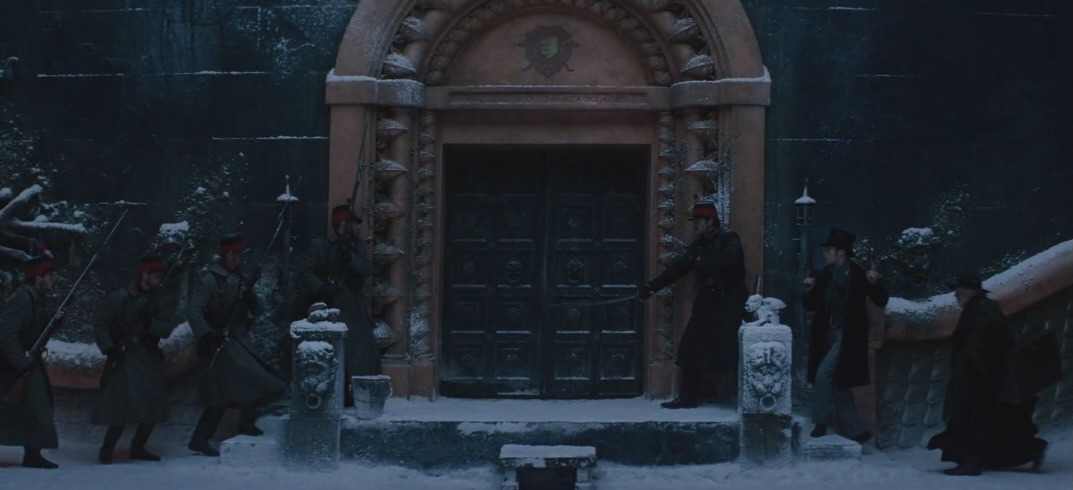
Luc Paul Maurice Besson was born in Paris on March 18, 1959. The son of diving instructors, he spent his childhood between Greece and Yugoslavia, environments that influenced his upbringing. An accident during a dive at seventeen ended his aspiration to become a marine biologist, redirecting him toward cinema. He began as an assistant director and made black-and-white short films with limited resources.
His first feature film, Le Dernier Combat (1983), is a post-apocalyptic movie without dialogue, awarded the Prix de la Jeunesse at the Cannes Film Festival. In 1985, he directed Subway, starring Christophe Lambert and Isabelle Adjani, which positioned him within the Cinéma du look movement, known for its refined visual style and nocturnal urban settings. The film received thirteen César nominations, winning three.
In 1988, he made The Big Blue, inspired by the rivalry between freediving champions Jacques Mayol and Enzo Maiorca. The film became a cultural phenomenon in France and earned Besson an Oscar nomination for Best Original Screenplay, marking his entry into the international market.
With Nikita (1990), he introduced recurring themes in his work: complex female protagonists, stylized violence, and redemption through action. The film received global distribution and inspired a Hollywood remake, Point of No Return, as well as an American television series.
In 1994, he directed Léon, starring Jean Reno, Gary Oldman, and Natalie Portman. The thriller about a hitman protecting a young girl received seven César nominations, including Best Film and Best Director, solidifying Besson’s reputation in European action cinema.
The Fifth Element (1997), featuring Bruce Willis and Milla Jovovich, is a science fiction film set in a futuristic New York. With a budget of ninety million dollars, it was the most expensive French production at the time. It won two César Awards, including Best Director, and stood out for its innovative sets and special effects.
Joan of Arc (1999), starring Milla Jovovich and John Malkovich, represents an attempt to tackle historical cinema while maintaining the energy of action films. It received four César nominations but divided critics due to its stylistic approach.
In the 2000s, Besson reduced his directing activity to focus on production through EuropaCorp, founded in 2000. As a producer and screenwriter, he was responsible for franchises such as Taxi, Transporter, Taken, and Banlieue 13, exporting French action cinema globally.
He returned to directing in 2014 with Lucy, a sci-fi thriller starring Scarlett Johansson that grossed over four hundred sixty million dollars, becoming his biggest commercial success. In 2017, he directed Valerian and the City of a Thousand Planets, an adaptation of a French comic book with a two hundred million dollar budget. Despite its visual ambition, the film underperformed at the American box office but achieved better results in Europe and Asia.
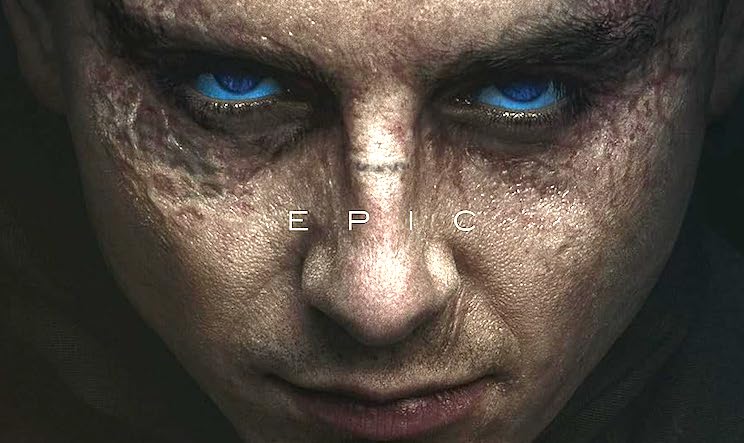
Dogman (2023) marks a return to a more intimate cinema, with Caleb Landry Jones playing a dog trainer. The collaboration with the actor continued with Dracula: A Love Tale, presented at the Rome Film Festival in October 2025 and released in Italian theaters on October 29 of the same year. The film reinterprets the vampire myth as a gothic love story, featuring Christoph Waltz as Van Helsing and Matilda De Angelis in the cast. It received César nominations in 2026 and will be distributed in North America in the first quarter of 2026.
In 2025, Besson also directed June and John, confirming his ongoing directorial activity. His filmography includes over twenty feature films as director and more than fifty projects as screenwriter or producer, ranging from auteur cinema to blockbusters, from animation with the Arthur and the Minimoys trilogy to political thrillers like The Lady, about Burmese dissident Aung San Suu Kyi.
Although he has never won an Oscar, Besson has received recognition in France, winning two César Awards for Best Director for The Fifth Element and earning numerous nominations for other works. His influence on contemporary action cinema is acknowledged, having defined an aesthetic model combining visual energy, complex protagonists, and dynamic storytelling.
© All rights reserved
You Might Be Interested
Martin Landau: The Actor Who Drew Comics
Brooklyn, June 20, 1928
Charles Coburn: the gentleman who conquered Hollywood at sixty
Born June 19, 1877, in Macon, Georgia

Thriller Movie The Lottery: $300 Million with Belmont Cameli, Sofia Wylie, Madison Thompson - Plot
La lotteria: trama, cast e ambientazione del thriller con Belmont Cameli e Sofia Wylie.

Comedy Movie 40 Dates and 40 Nights, dating app with Bailee Madison, Joel Courtney - plot
40 Dates and 40 Nights: plot, cast and release of the movie with Bailee Madison and Joel Courtney

Blanche Sweet: The Actress Who Invented the Modern Heroine, Forgotten by Hollywood
Born on June 18
Tombolini at Pitti Uomo 110: Lightness as the New Frontier of Menswear
Shrek 5 Movie, News on the Sequel
Discover Shrek 5, the movie with Mike Myers, Cameron Diaz, Eddie Murphy. Plot, cast, release, trailer

The Echo Chamber Movie, Voice in the Room with Luca Marinelli, Alicia Vikander, Susan Sarandon
The Echo Chamber: plot, cast and production of the movie with Luca Marinelli