
John Rambo: Genesis of a Warrior - The Prequel Reinterpreting the Origin of a Cinematic Icon
From Vietnamese Jungles to the Creation of a Myth: Noah Centineo Portrays the Young Soldier Before "First Blood"
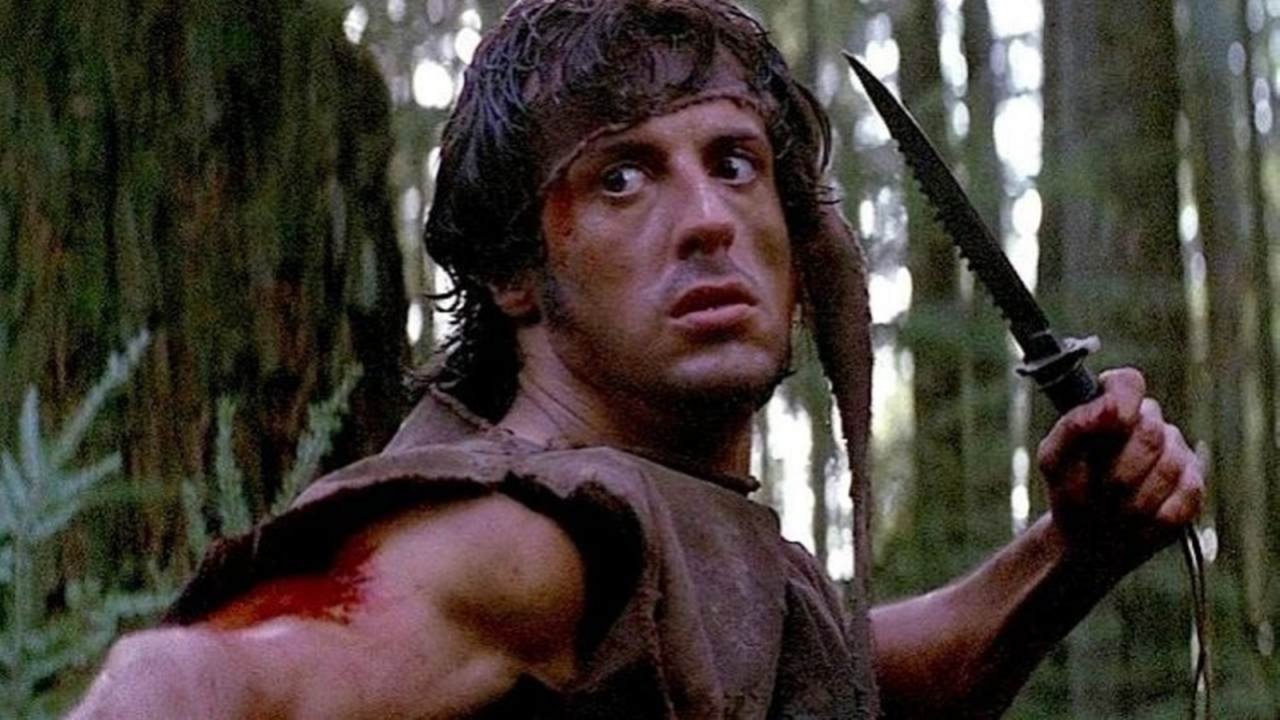
American cinema prepares to retrace the birth of one of its most emblematic figures. John Rambo, a title whose essentiality reveals the intent to return to the origin, has officially begun production as a prequel to the celebrated saga inaugurated forty years ago. The narrative is set in a period preceding the events of First Blood (1982), when the protagonist was not yet the tormented veteran, but a young Green Berets recruit during the Vietnamese conflict.
Thailand presents itself as the main setting for the story. Bangkok and its peripheries serve as the scenic backdrop to recreate the claustrophobic atmosphere of Southeast Asia in the seventies. The logistical choice responds to needs both practical and artistic: the intricate vegetation and humid climate reproduce environmental conditions analogous to those experienced by American soldiers during operations in Vietnam, elements that in the screenplay assume the role of silent antagonists in the character's formation.
The most significant transformation concerns the lead actor. If it were not John Rambo, the story told would be that of a simple soldier traversing the hell of war. Noah Centineo, an actor primarily known for interpretations in productions of a completely different register, now assumes the challenging role of a twenty-year-old Rambo. His presence marks a clear break with the franchise's past: for the first time in forty years, Sylvester Stallone will not embody the character that helped define his career. The narrative focuses on the psychological metamorphosis of the young military man, on the exhausting training and the first missions that will irrevocably shape his psyche.
Director Jalmari Helander, a Finn whose visual sensibility has manifested in the raw realism of Sisu, guides this project with an approach that promises to distance itself from the more stylized aesthetics of the saga's latest chapters. The cast alongside Centineo includes performers such as Jason Tobin, Quincy Isaiah, and Jefferson White, as well as international presences like Yao and Tayme Thapthimthong, conferring to the production a multicultural dimension that reflects the geopolitical complexity of the conflict represented.
The producers at Millennium Media confirm the existence of a dialogue with Stallone who, while not actively participating in the production, had expressed interest in exploring the character's origins. The screenplay, entrusted to Rory Haines and Sohrab Noshirvani, aspires to transform the traditionally action-centered narrative into an analysis of the construction of the traumatized hero. "even now?" asks the young Rambo to his conscience while performing his first kill, "not now" responds the echo of the veteran he will become.
The prequel aims to fill the narrative gaps regarding Rambo's formative period in the Asian jungles, explaining the genesis of the tormented character that worldwide audiences have come to know through the saga's five previous films. The Vietnam War is not just a historical backdrop, but a constitutive element in the protagonist's identity, the place where the man and the myth begin their indissoluble fusion.
John Rambo, a title whose essentiality reveals the intent to return to the origin, has officially begun production as a prequel to the celebrated saga inaugurated forty years ago. The narrative is set in a period preceding the events of First Blood (1982), when the protagonist was not yet the tormented veteran, but a young Green Berets recruit during the Vietnamese conflict.
Thailand presents itself as the main setting for the story. Bangkok and its peripheries serve as the scenic backdrop to recreate the claustrophobic atmosphere of Southeast Asia in the seventies. The logistical choice responds to needs both practical and artistic: the intricate vegetation and humid climate reproduce environmental conditions analogous to those experienced by American soldiers during operations in Vietnam, elements that in the screenplay assume the role of silent antagonists in the character's formation.
The most significant transformation concerns the lead actor. If it were not John Rambo, the story told would be that of a simple soldier traversing the hell of war. Noah Centineo, an actor primarily known for interpretations in productions of a completely different register, now assumes the challenging role of a twenty-year-old Rambo. His presence marks a clear break with the franchise's past: for the first time in forty years, Sylvester Stallone will not embody the character that helped define his career. The narrative focuses on the psychological metamorphosis of the young military man, on the exhausting training and the first missions that will irrevocably shape his psyche.
Director Jalmari Helander, a Finn whose visual sensibility has manifested in the raw realism of Sisu, guides this project with an approach that promises to distance itself from the more stylized aesthetics of the saga's latest chapters. The cast alongside Centineo includes performers such as Jason Tobin, Quincy Isaiah, and Jefferson White, as well as international presences like Yao and Tayme Thapthimthong, conferring to the production a multicultural dimension that reflects the geopolitical complexity of the conflict represented.
The producers at Millennium Media confirm the existence of a dialogue with Stallone who, while not actively participating in the production, had expressed interest in exploring the character's origins. The screenplay is entrusted to Rory Haines and Sohrab Noshirvani.
The prequel aims to fill the narrative gaps regarding Rambo's formative period in the Asian jungles, explaining the genesis of the tormented character that worldwide audiences have come to know through the saga's five previous films. The Vietnam War is not just a historical backdrop, but a constitutive element in the protagonist's identity, the place where the man and the myth begin their indissoluble fusion.
© All rights reserved
You Might Be Interested
Martin Landau: The Actor Who Drew Comics
Brooklyn, June 20, 1928
Charles Coburn: the gentleman who conquered Hollywood at sixty
Born June 19, 1877, in Macon, Georgia
Thriller Movie The Lottery: $300 Million with Belmont Cameli, Sofia Wylie, Madison Thompson - Plot
La lotteria: trama, cast e ambientazione del thriller con Belmont Cameli e Sofia Wylie.

Comedy Movie 40 Dates and 40 Nights, dating app with Bailee Madison, Joel Courtney - plot
40 Dates and 40 Nights: plot, cast and release of the movie with Bailee Madison and Joel Courtney

Blanche Sweet: The Actress Who Invented the Modern Heroine, Forgotten by Hollywood
Born on June 18
Tombolini at Pitti Uomo 110: Lightness as the New Frontier of Menswear
Shrek 5 Movie, News on the Sequel
Discover Shrek 5, the movie with Mike Myers, Cameron Diaz, Eddie Murphy. Plot, cast, release, trailer

The Echo Chamber Movie, Voice in the Room with Luca Marinelli, Alicia Vikander, Susan Sarandon
The Echo Chamber: plot, cast and production of the movie with Luca Marinelli