
Merle Oberon: The Rise of a Classic Cinema Icon
Born February 19, 1911, her journey from Mumbai to Hollywood marked by technical innovations and iconic roles
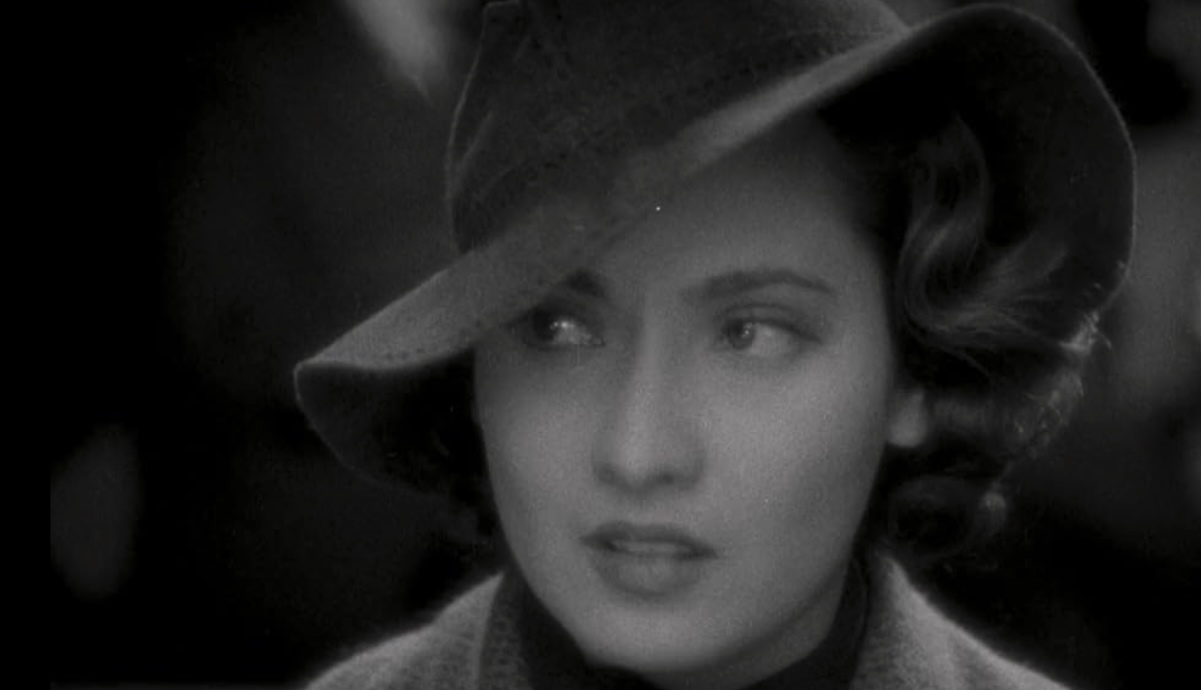
Estelle Merle O'Brien Thompson, universally known as Merle Oberon, was born in Mumbai on February 19, 1911, a pivotal figure in the evolution of Hollywood's golden era cinema. Her professional trajectory followed a methodical progression: from appearances as an extra in British silent films to a position of primary importance in the production catalogs of Samuel Goldwyn and Alexander Korda.
Her portrayal of Anne Boleyn in the film The Private Life of Henry VIII (1933) marked the definitive establishment of her presence on the international cinematic landscape. This performance set the stylistic parameters that would distinguish her entire filmography. The subsequent commercial and critical success of The Scarlet Pimpernel (1934) represented the turning point that determined her relocation to the United States, where the Los Angeles industry sought performers with pronounced dramatic versatility.
In 1935, her interpretation in The Dark Angel earned her an Oscar nomination in the Best Actress category. Despite not winning the award, her performance in this film is analyzed for its technical ability to sustain complex scenes alongside established performers like Fredric March. The actress's career underwent a significant interruption in 1937 when an automobile accident, which caused the suspension of filming on I, Claudius, left permanent scars on her face. This episode generated a relevant technical innovation: cinematographer Lucien Ballard developed a specific lighting device mounted on the camera, dubbed the "Obie Light," designed to diffuse uniform light that minimized skin imperfections. This equipment subsequently became a standard element in technical manuals of cinematographic photography.
The resumption of her professional activity coincided with what is considered her most representative role: Catherine Earnshaw in Wuthering Heights (1939). Under William Wyler's direction, her interpretation constitutes a stylistic reference for subsequent film adaptations of Brontë's work. Over the following decades, Oberon diversified her repertoire, alternating thrillers like The Lodger (1944) with historical productions such as Désirée (1954), where she played Josephine de Beauharnais alongside Marlon Brando. In the concluding phase of her career, the actress also assumed production functions, as documented in her final film project Interval (1973). Her star on the Hollywood Walk of Fame at 6274 Hollywood Boulevard represents the institutional recognition of a professional journey spanning over four decades, characterized by constant technical-interpretative evolution.
© All rights reserved

You Might Be Interested
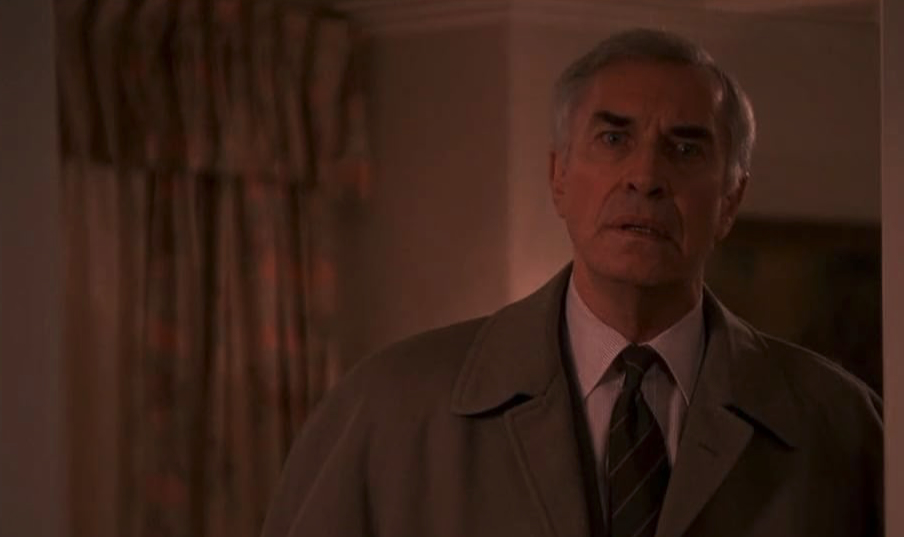
Martin Landau: The Actor Who Drew Comics
Brooklyn, June 20, 1928
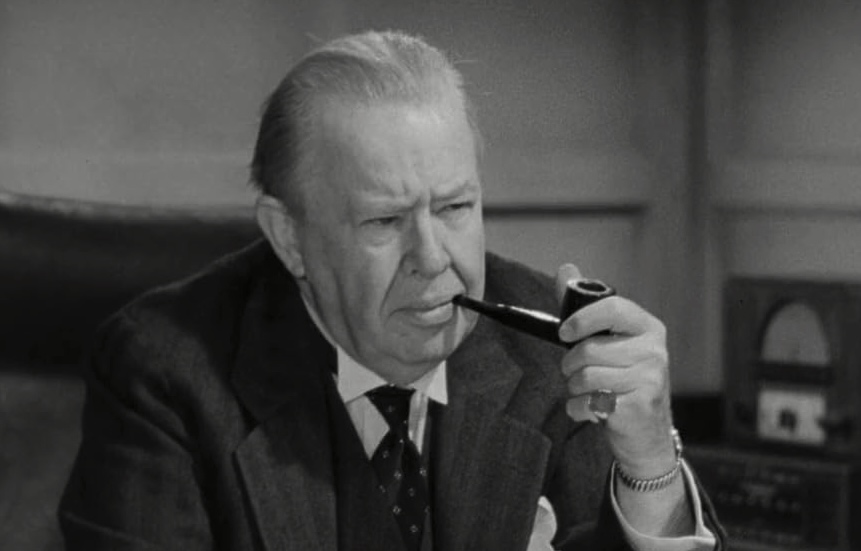
Charles Coburn: the gentleman who conquered Hollywood at sixty
Born June 19, 1877, in Macon, Georgia

Thriller Movie The Lottery: $300 Million with Belmont Cameli, Sofia Wylie, Madison Thompson - Plot
La lotteria: trama, cast e ambientazione del thriller con Belmont Cameli e Sofia Wylie.

Comedy Movie 40 Dates and 40 Nights, dating app with Bailee Madison, Joel Courtney - plot
40 Dates and 40 Nights: plot, cast and release of the movie with Bailee Madison and Joel Courtney
Blanche Sweet: The Actress Who Invented the Modern Heroine, Forgotten by Hollywood
Born on June 18

Tombolini at Pitti Uomo 110: Lightness as the New Frontier of Menswear

Shrek 5 Movie, News on the Sequel
Discover Shrek 5, the movie with Mike Myers, Cameron Diaz, Eddie Murphy. Plot, cast, release, trailer

The Echo Chamber Movie, Voice in the Room with Luca Marinelli, Alicia Vikander, Susan Sarandon
The Echo Chamber: plot, cast and production of the movie with Luca Marinelli