
Big Girls Don't Cry, Paloma Schneideman Interview
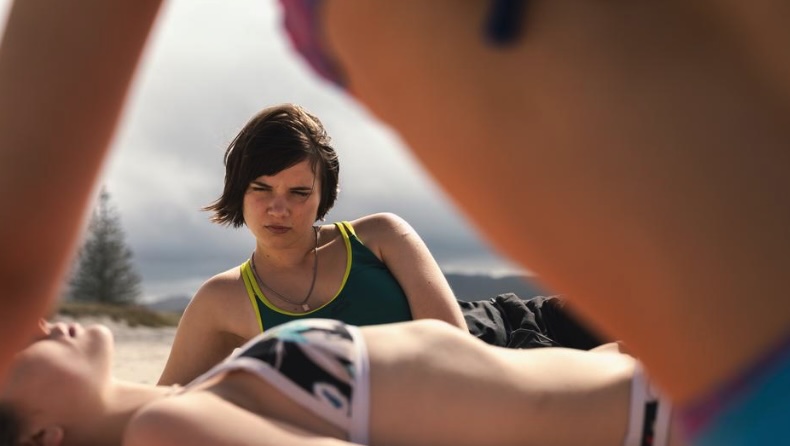
Your debut film stems from your experience with Jane Campion in the program “A Wave in the Ocean.” How did this intense training influence your directing, and which of Campion's teachings are most evident in “Big Girls Don't Cry”?
A Wave in the Ocean was formative in ways I’m still probably unpacking. To have nearly a year to just sit inside the practice of making, without the pressure of outcome, just getting closer to your own voice, is kind of unbelievable. Especially being held by artists at that level, in such an intimate and generous way. I’d already written the feature before AWITO, so it became this quiet testing ground. If we were exploring something specific, like working with non actors or coverage, I could pull from my own material and feel things out in a really low stakes way. It was like stretching the film’s limbs before it had to stand up properly. And learning from Jane and Philippa, alongside the rest of the cohort, felt pretty magical. It gave me a sense of family in an industry that can feel quite solitary.
New Zealand in 2006, with its chat rooms and Nokias, almost becomes a character in the film. Why did you choose that particular era to tell the story of Sid's sexual and identity awakening, and how much of your personal experience is reflected in that specific time setting?
I came of age in that pocket of time, so it lives quite deep in my body. The sound of a Nokia text tone or an MSN ping still hits something very specific, this kind of tender, aching memory of being a teenager reaching for connection, right as the world was starting to crack open. I love that the film sits inside a world that is also coming of age. Technology was expanding, possibilities were expanding, and there was this sense of excitement tangled up with confusion and overwhelm. It mirrors that internal chaos of trying to figure out who you are and where you belong. The queerness in that context felt important too. Growing up rural, before the internet really took hold, there weren’t many places for that curiosity to go. You kind of folded it in on yourself. Then suddenly there were chat rooms, cable TV, glimpses of other lives, other ways of being. It was like the world quietly widening. There is something about that time that feels like innocence slipping, which feels very aligned with a coming of age.
You also work as a musician under the pseudonym PollyHill. How did your musical sensibility shape the narrative rhythm and emotional atmosphere of the film? Does the soundtrack bear traces of this dual artistic identity?
For me it all sits under the same umbrella, storytelling through different forms. The score almost feels like writing the film again, but from underneath it. You get to pour in all the texture and feeling that maybe you couldn’t quite articulate elsewhere. I work quite instinctively. I need to feel the image before I can understand what it needs sonically. It is less about a fixed plan and more about tuning into an atmosphere and following it. Working with the composer Cam Ballantyne was really special in that sense, he was entirely generous and excited about the same geeky things I was excited about. We built things quite collaboratively, and our tastes overlapped in a way that made it feel quite fluid. We both love that era of technology, and were drawn to the idea of pushing things out of their expected place. Making something traditionally beautiful feel a bit off, or finding beauty in something strange or overlooked. I think I am always interested in that space, where things don’t behave the way you expect them to.
Sid explores her sexuality and toxic new friendships simultaneously, in a parallel that seems to suggest that both discoveries require the same kind of courage and vulnerability. Was this overlap already in the script, or did it emerge during filming with the young actresses?
The film tackles deeply uncomfortable moments without ever judging the protagonist. How did you work with Ani Palmer to maintain this delicacy in portraying a girl who doesn’t understand herself yet, who makes mistakes, and who is trying to belong?
From the moment I met Ani, I felt quite protective of her. There was this instinct that I didn’t want anything to hurt her, and I trusted that if I felt that, an audience would feel it too. That was important, because Sid does things that are messy or confronting, but you still want to stay close to her. You want to understand her rather than judge her. Everyone in the film is really just reaching for the same thing, to be seen, to be loved. They are all reflecting something back at each other. Ani has this honesty that makes everything feel very recognisable. I think people see something of their younger selves in her, that vulnerability, that confusion. And through that, it kind of opens up a space to look back at that version of yourself with a bit more softness.
© All rights reserved
You Might Be Interested
Tribeca Film Festival Wei Li interview
The film Ephemera has been presented at Tribeca Film festival, Wei Li is post-production supervisor and editor
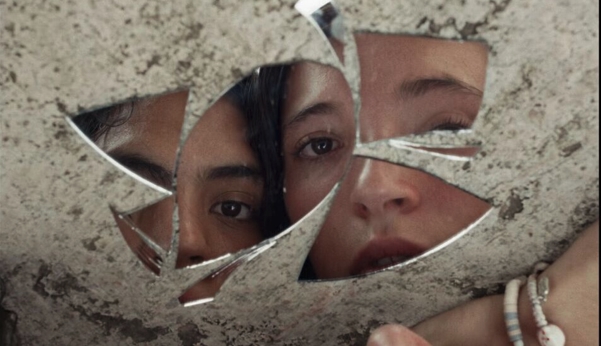
Tribeca Film Festival, Fernanda Tovar director interview
The dynamics of friendship
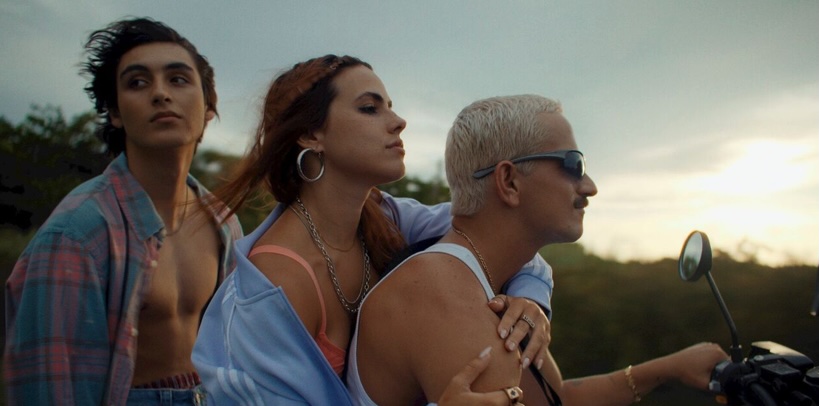
Tribeca Film Festival: In Conversation with Carlitos Ruiz-Ruiz
Summer of Three: A Life-Altering Season for Three Teens
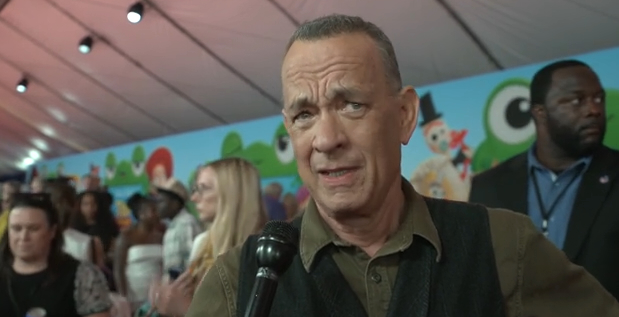
Toy Story 5, World Premiere, Tom Hanks interview
The statements of Tom Hanks
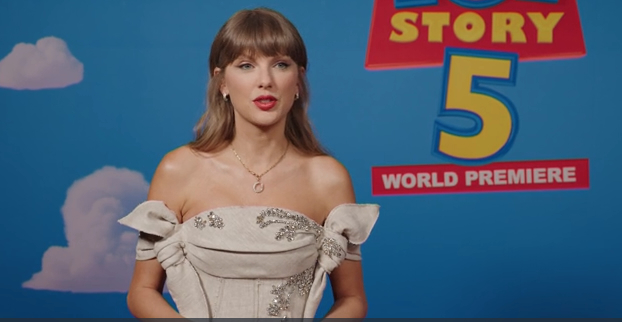
Toy Story 5, World Premiere, Taylor Swift interview
The statements of Taylor Swift
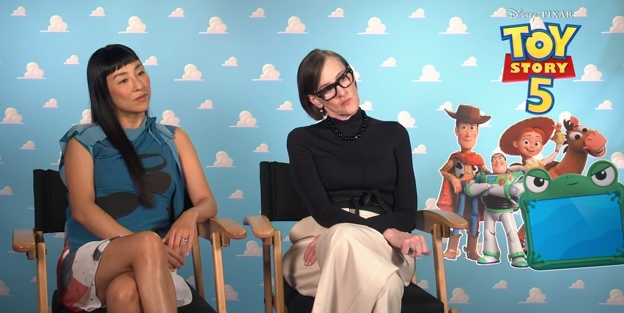
Toy Story 5, Joan Cusack and Greta Gerwig interview
The statements of Joan Cusack and Greta Gerwig
Disclosure Day, Steven Spielberg and and Colman Domingo interview
The statements of Steven Spielberg and Colman Domingo
Disclosure Day, Emily Blunt interview
The statements of Emily Blunt and Josh O’Connor