
Akira Kurosawa: The Films That Have Been Influenced by Him
Born in Tokyo on March 23, 1910
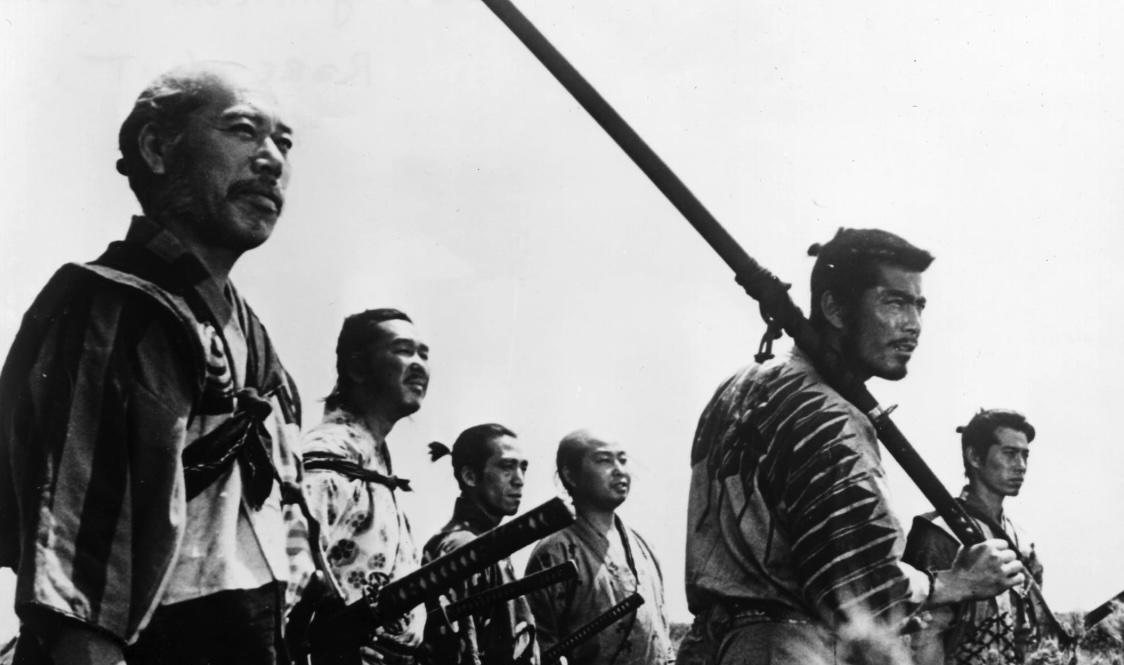
Akira Kurosawa was a central figure in the history of world cinema, with a career spanning over fifty years. His initial artistic training was oriented toward painting, but in 1936 he joined the P.C.L. studios as an assistant director, marking the beginning of his path in cinema.
His directorial debut came in 1943 with “The Legend of the Great Judo.” However, international recognition arrived with “Rashomon” in 1950, a film that won the Golden Lion at Venice and the Oscar for Best Foreign Language Film. “Rashomon” is distinguished by its innovative narrative structure, presenting truth through multiple and contradictory perspectives, a model that influenced contemporary and future filmmakers.
In 1954 Kurosawa made “Seven Samurai,” a work that synthesizes his ability to combine action and psychological introspection. The story of seven warriors defending a village from bandits became a narrative archetype, adapted and replicated in numerous Western productions. The film is characterized by complex characters, balancing heroism and vulnerability.
Kurosawa’s interest in Shakespeare resulted in two cinematic reinterpretations: “Throne of Blood” (1957), an adaptation of Macbeth set in feudal Japan, and “Ran” (1985), inspired by King Lear. The latter, made when the director was 75 years old, is a work of great visual and thematic scope, exploring the decay of power and family disintegration.
In 1975 Kurosawa directed “Dersu Uzala,” a Soviet co-production that tells the story of the friendship between a Russian explorer and an indigenous guide in the taiga. The film won the Oscar for Best Foreign Language Film, confirming the director’s ability to operate beyond Japanese cultural boundaries. Nature assumes a central, almost anthropomorphic role in the relationship with the protagonists.
The 1980s were marked by production difficulties but also significant achievements. “Kagemusha” (1980), supported by George Lucas and Francis Ford Coppola, won the Palme d’Or at Cannes. The film addresses the theme of identity through the story of a double of a deceased warlord. Formal care is evident in every shot, reflecting Kurosawa’s painterly background.
In 1990 Kurosawa received an Honorary Oscar, a recognition that confirmed his status as a globally acknowledged master. During the ceremony, directors such as Steven Spielberg and George Lucas emphasized the importance of his influence on contemporary cinema.
Kurosawa’s impact extends beyond auteur cinema, involving directors like Martin Scorsese, Clint Eastwood, and Bernardo Bertolucci, who have acknowledged his contribution to visual and thematic storytelling. Even genre cinema, from westerns to action movies, carries traces of his legacy.
Decades after his death in 1998, Kurosawa’s work continues to be studied and promoted. In 2025 the documentary “Kurosawa, la Voie - Redux” was released, gathering testimonies from international directors and reflecting on the master’s influence. Simultaneously, many of his films have been restored and reintroduced to theaters for contemporary audiences.
Kurosawa’s legacy stands as a fundamental contribution to understanding cinema as a means to analyze the human condition, through a visual and narrative language that has transcended cultural and temporal boundaries.
© All rights reserved


You Might Be Interested

Bob Fosse: A Career in Dance and Direction
Born June 23, 1927 in Chicago, Illinois

Film Supergirl: Woman of Tomorrow, trivia
Supergirl: Woman of Tomorrow is the upcoming action film. Plot, cast, trailer, interviews

Sci-fi film Klara and the Sun: search for the sun with Jenna Ortega, Amy Adams, Mia Tharia - plot
Discover Klara and the Sun, the drama film with Jenna Ortega, Amy Adams. Plot, cast
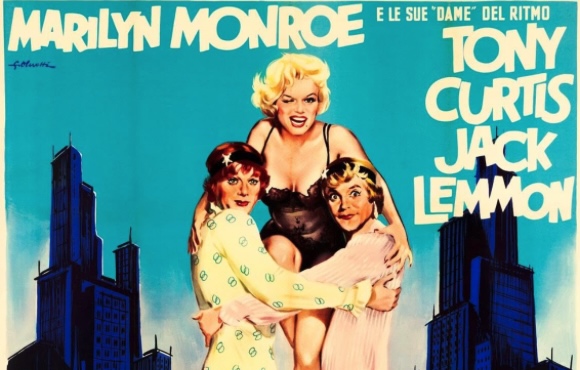
Billy Wilder: The Viennese Journalist Who Conquered Hollywood
Born June 22, 1906 in Sucha Beskidzka, Austria-Hungary

Box office most viewed films, 'Toy Story 5' and 'Leviticus' are the newcomers
Discover the rankings of the most-watched movies in the USA, from Toy Story 5 to Disclosure Day: plot and cast
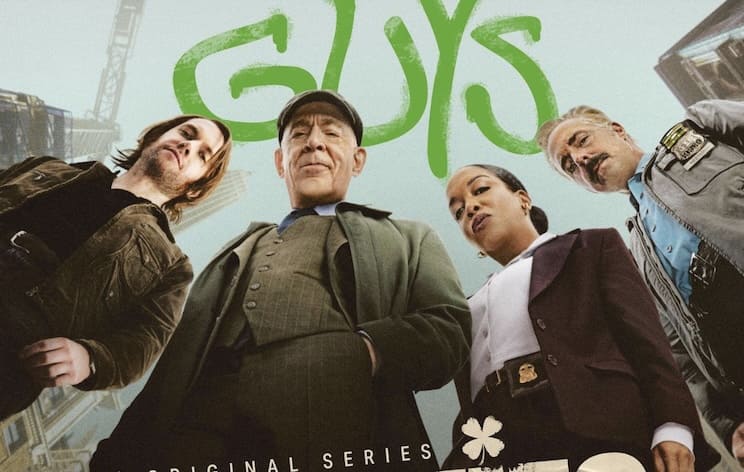
The Westies: the new crime series with J.K. Simmons and the Irish gang of New York
The Westies MGM+ streaming July 2026: cast, plot, trailer crime series Hell's Kitchen
.jpg)
The Five Star Weekend: Jennifer Garner Stars in Miniseries About Friendship and Grief, with Regina Hall
The Five Star Weekend cast, plot, release date: Peacock series with Jennifer Garner, Regina Hall, Chloë Sevigny
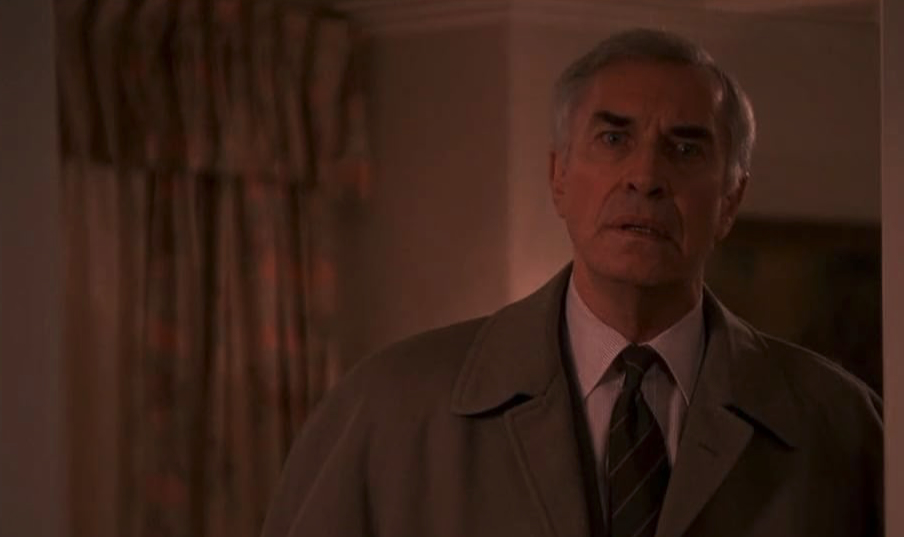
Martin Landau: The Actor Who Drew Comics
Brooklyn, June 20, 1928