
Gary Cooper: The Role of Hollywood’s Classic Hero
Born May 7
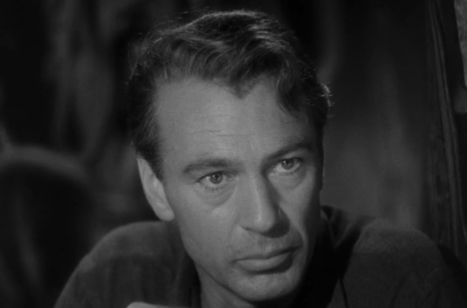
The Career and Most Important Films of Gary Cooper, Cinema Legend
Gary Cooper was born on May 7, 1901, in Helena, Montana, and became one of the most representative figures of classic American cinema. His career spanned over thirty years, crossing the transition from silent to sound film, with roles ranging from westerns to literary adaptations, defining a model of reflective masculinity that has left a lasting mark on cinema.
Cooper began as an extra in westerns in 1925, but his physical presence—tall and slender with an intense gaze—quickly caught the attention of directors. His first significant role was in Wings (1927), followed by Morocco (1930) by Josef von Sternberg, where he acted alongside Marlene Dietrich. Here emerged his ability to express deep emotions with minimal gestures, a characteristic that became his distinctive trait.
His first Oscar nomination came in 1937 for Mr. Deeds Goes to Town by Frank Capra, in which he played an ordinary man facing extraordinary situations. This role anticipated the archetype of the average American confronting corruption with integrity, a recurring theme in his filmography.
Cooper won his first Oscar in 1942 for Sergeant York, a biography of soldier Alvin York, a World War I hero. For this role, Cooper studied the character thoroughly, meeting York himself to capture his nuances. His performance balanced the protagonist’s religious pacifism with a sense of patriotic duty, reflecting America’s tensions shortly before entering World War II.
He received two more nominations: in 1943 for The Pride of the Yankees, where he portrayed the legendary baseball player Lou Gehrig, and in 1944 for For Whom the Bell Tolls, based on Hemingway’s novel. For the role of Gehrig, Cooper had to learn to bat left-handed, demonstrating his dedication to physical accuracy.
His second Oscar came in 1953 for Fred Zinnemann’s High Noon. This western, beyond being a genre classic, represented a critique of McCarthyism and collective cowardice. Cooper played Marshal Will Kane, who faces a gang of criminals alone, abandoned by the community. The screenplay by Carl Foreman, blacklisted in Hollywood, turned the film into a political allegory. Cooper, then in his fifties and suffering health issues, used his own fragility to make the character’s vulnerability credible. The real-time narration heightened the tension, evident in the actor’s weathered face.
High Noon still generates strong interest today: in December 2025, a stage adaptation premiered at London’s West End with Billy Crudup as Kane. Since January 2026, the film has been available for streaming on Paramount+, which also hosts the series Yellowstone, creating a link between classic and contemporary westerns.
In 1961, a few months before his death on May 13, Cooper received an honorary Oscar for his career, accepted by James Stewart on his behalf due to his health. This award recognized his artistic legacy, built on sober and credible performances, far from spectacular excesses.
© All rights reserved

You Might Be Interested
Bob Fosse: A Career in Dance and Direction
Born June 23, 1927 in Chicago, Illinois
Film Supergirl: Woman of Tomorrow, trivia
Supergirl: Woman of Tomorrow is the upcoming action film. Plot, cast, trailer, interviews
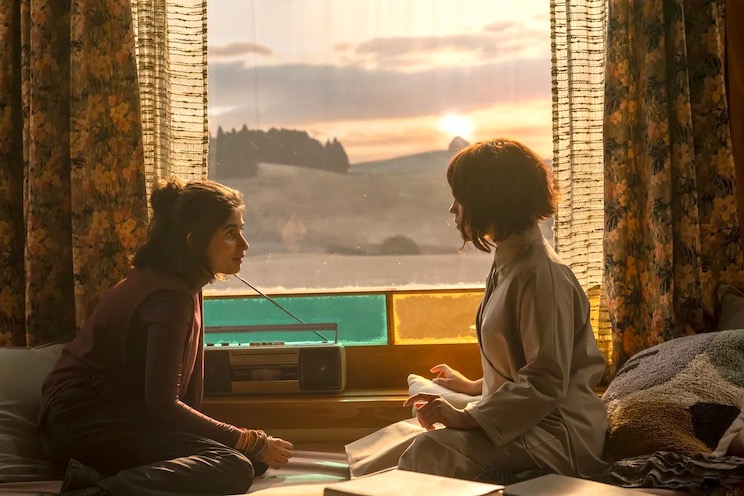
Sci-fi film Klara and the Sun: search for the sun with Jenna Ortega, Amy Adams, Mia Tharia - plot
Discover Klara and the Sun, the drama film with Jenna Ortega, Amy Adams. Plot, cast
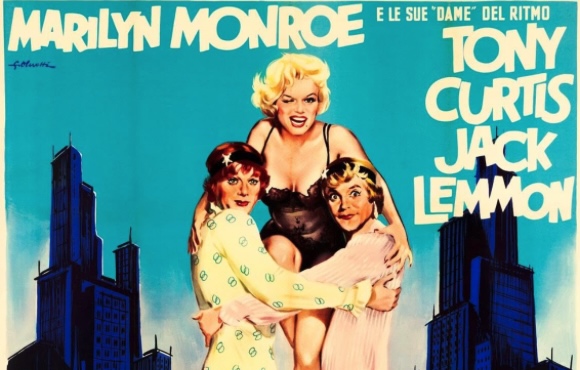
Billy Wilder: The Viennese Journalist Who Conquered Hollywood
Born June 22, 1906 in Sucha Beskidzka, Austria-Hungary
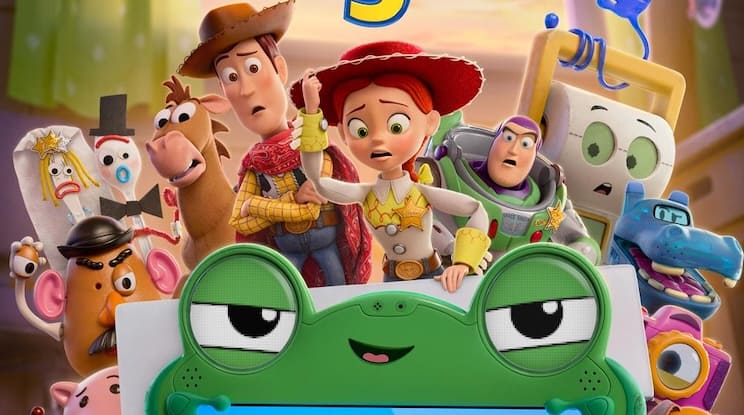
Box office most viewed films, 'Toy Story 5' and 'Leviticus' are the newcomers
Discover the rankings of the most-watched movies in the USA, from Toy Story 5 to Disclosure Day: plot and cast
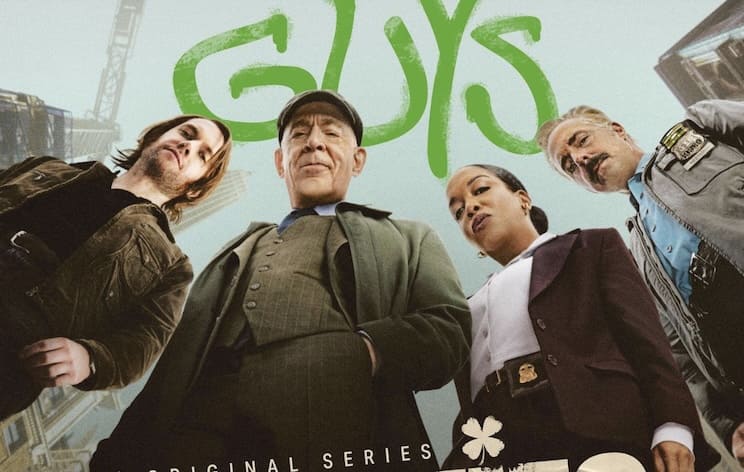
The Westies: the new crime series with J.K. Simmons and the Irish gang of New York
The Westies MGM+ streaming July 2026: cast, plot, trailer crime series Hell's Kitchen
.jpg)
The Five Star Weekend: Jennifer Garner Stars in Miniseries About Friendship and Grief, with Regina Hall
The Five Star Weekend cast, plot, release date: Peacock series with Jennifer Garner, Regina Hall, Chloë Sevigny
Martin Landau: The Actor Who Drew Comics
Brooklyn, June 20, 1928