
Anna Magnani: Life, Career and Oscar of the First Italian Actress in Hollywood
From Italian Neorealism to The Rose Tattoo
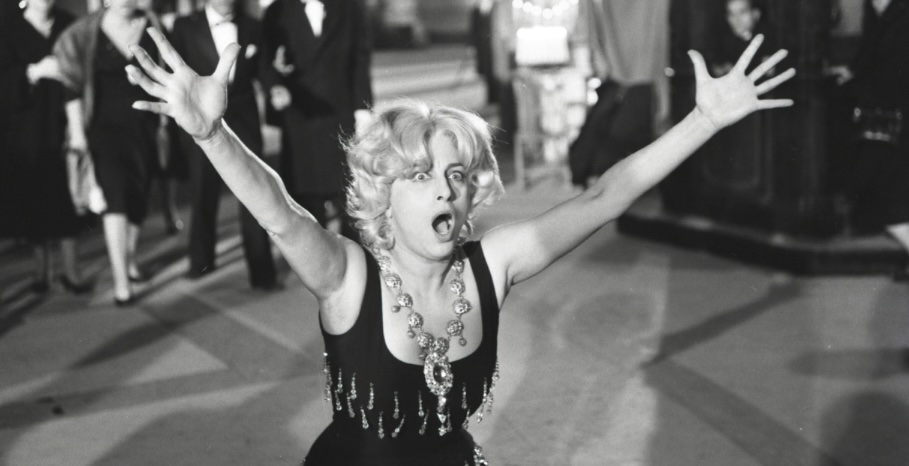
Born in Rome on March 7, 1908, Anna Magnani is considered the central figure of Italian neorealism and the first performer from the country to establish herself in the American film market. Her acting method, founded on expressive authenticity rather than the dominant aesthetic codes of the era, constituted a breaking point from academic tradition and a lasting reference for subsequent generations.
The turning point in her international career occurred in 1945 with Roberto Rossellini's Rome, Open City. The interpretation of the character Pina—and particularly the sequence of the run toward the Nazi truck—became one of the most recognizable images of Italian cinema worldwide. The collaboration with Rossellini marked a shift in the relationship between actor and camera, orienting the practice toward spontaneity rather than technical construction. The neorealist period also included Angelina (1947), which earned her the Volpi Cup at the Venice Film Festival, and Bellissima (1951) by Luchino Visconti, in which she interpreted the role of a mother from the Roman periphery grappling with aspirations and disappointments.
International recognition attracted the attention of Tennessee Williams, who wrote the theatrical text The Rose Tattoo with Magnani in mind as the principal performer. The film adaptation directed by Daniel Mann in 1955 earned her the Academy Award for Best Actress in 1956, the Golden Globe and the BAFTA award in the same category. Magnani thus became the first non-English-speaking actress to receive recognition from the Academy. She was not present at the Los Angeles ceremony: she learned of the victory by telephone during the Italian night.
In subsequent years, her career articulated itself between American and Italian productions. In 1958 she obtained a second Oscar nomination for Wild Is the Wind. In 1962 she worked with Pier Paolo Pasolini on Mamma Roma, interpreting a character that further consolidated her association with the popular and conflictual female figures of Italian tradition. She systematically refused makeup artists' intervention aimed at concealing the signs of time on her face, considering them an integral part of her expressive instrumentation. Television activity in her final years included the series Tre donne, while cinema closed with a cameo in Federico Fellini's film Roma (1972).
© All rights reserved
--the-New-Zealand-film-starring-Judy-Davis--Miriam-Margolyes--and-Jacki-Weaver--.jpg)
You Might Be Interested
Maria Montez Hollywood Star Biography: From Dominican Republic to Technicolor Icon
Maria Montez, born on June 6, Early Life and Hollywood Career Beginnings
Tony Richardson: British Director Who Revolutionized Cinema with Iconic Films
Biography and Career of Tony Richardson, British Director Born on June 5, 1928
Masters of the Universe: Trivia about the film starring Nicholas Galitzine and Morena Baccarin - plot
Discover Masters of the Universe, the film starring Nicholas Galitzine and Jared Leto. Plot, cast, trailer, and release
By Any Means Movie: FBI Informant Mark Wahlberg, Yahya Abdul-Mateen II - Plot
Discover By Any Means, the thriller movie with Mark Wahlberg, Giancarlo Esposito: plot, cast, trailer, release
Rosalind Russell: Oscar Nominations, Classic Hollywood Films, and Career Legacy
Born June 4, unforgettable in: His Girl Friday
Tony Curtis: Biography and Films to Watch Streaming
Tony Curtis, Hollywood icon born in New York on June 3

The Backrooms 2 Movie: The latest on the horror sequel
Discover The Backrooms 2, the horror film by Kane Parsons starring Chiwetel Ejiofor, Renate Reinsve
Morena Baccarin: Career Overview and Streaming Projects for 2026
Born on June 2. Morena Baccarin’s Early Life and Acting Debut