
Betty White, unforgettable in The Golden Girls
Betty White was born on this day, January 17, 1922.
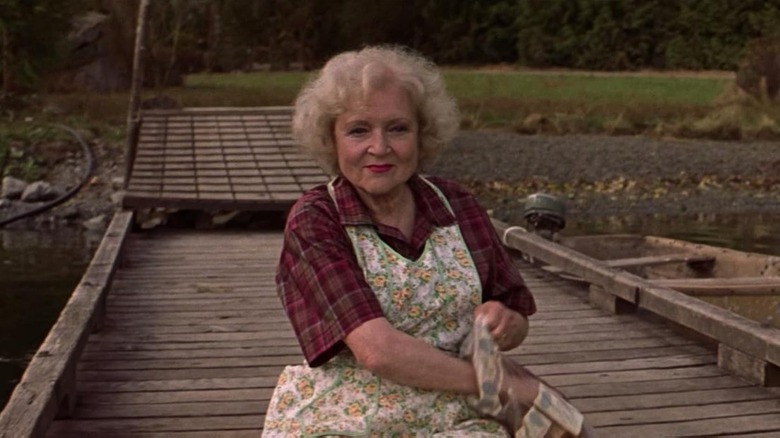
Betty White, born on this day, January 17, 1922, represented one of the longest and most versatile careers in the history of American entertainment, spanning over eighty years. Born in Oak Park, Illinois, she moved to Los Angeles as a child, where she began working in radio in the late 1930s after her initial attempts in film were rejected because casting directors of the era considered her "unphotogenic."
Her breakthrough occurred alongside the birth of commercial television. In 1949, she began co-hosting the live talk show Hollywood on Television, eventually managing up to five hours of daily programming six days a week. In 1952, she founded her own production company, Bandy Productions, becoming one of the first women to hold creative and financial control behind the scenes. With the sitcom Life with Elizabeth, which she both produced and starred in, she earned her first Emmy Award, setting a model for 1950s domestic comedy.
After a period primarily dedicated to game shows, her career took a crucial turn in 1973 when she joined the cast of The Mary Tyler Moore Show. In the role of Sue Ann Nivens, White shattered her public image as "America's Sweetheart" to play a competitive and sarcastic woman hidden behind a facade of domestic perfection. This role earned her two consecutive Emmys for Best Supporting Actress and redefined her acting capabilities in the eyes of the industry.
Global recognition arrived in 1985 with The Golden Girls. Initially, the actress was considered for the role of the provocative Blanche Devereaux, but the production suggested a part swap with Rue McClanahan to avoid repeating the character type from her previous series. White thus took the role of Rose Nylund, a naive woman from the fictional town of St. Olaf. The character, defined by absurd stories about her childhood in Minnesota, became the comedic heart of the series and allowed her to win another Emmy in 1986.
Although primarily a television actress, White participated in several film projects. In 1962, she appeared in Otto Preminger’s Advise & Consent, while in her later years, her performance in the film The Proposal (2009) revitalized her popularity among younger generations. In the movie, she played Grandma Annie, a role that capitalized on the contrast between her elderly appearance and an eccentric personality.
Betty White's position as an industry pioneer was evident as early as 1954 when, while hosting her own talk show, she refused to fire African American dancer Arthur Duncan despite heavy pressure from sponsors and boycott threats from Southern states, firmly responding that the artist would remain on the program. This independent spirit was also reflected in her life outside of show business, particularly in her fifty-year dedication to animal welfare through the Morris Animal Foundation. Her ability to adapt to technological changes is evidenced by the fact that, after starting in radio and black-and-white TV, she set a record for professional longevity when she was chosen in 2010 as the oldest person to host Saturday Night Live following a massive social media campaign. This constant transition across different eras made her figure a unique case study in the history of American media.
© All rights reserved


You Might Be Interested
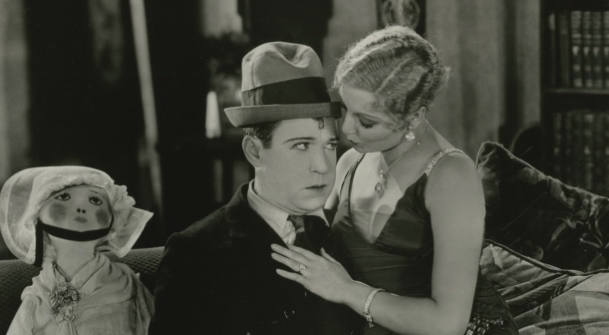
Harry Langdon: the childlike face that conquered Hollywood
Council Bluffs, Iowa, June 15, 1884

Box Office Most Watched Movies, 'Disclosure Day' and 'The Furious' are the New Releases
Discover the ranking of the most watched movies in the USA, from Scary Movie to Masters of the Universe, Backrooms: plot
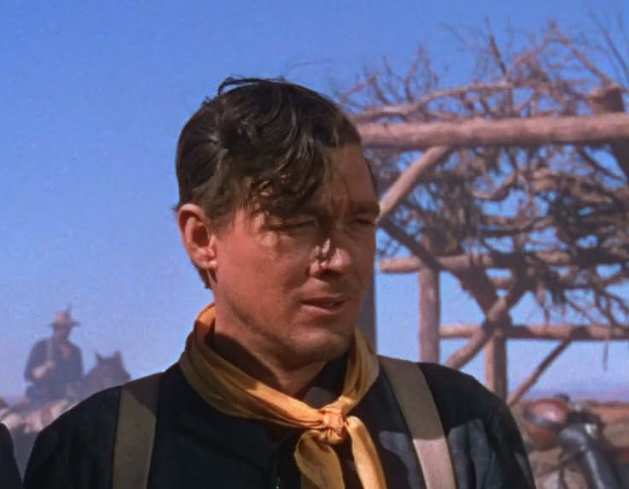
Ben Johnson: The Authentic Cowboy Who Conquered Hollywood
Born June 13, 1918, in Foraker, Oklahoma
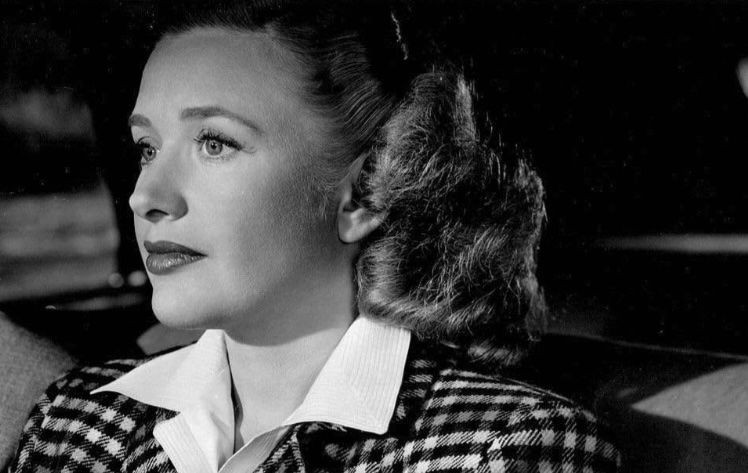
Priscilla Lane: The Forgotten Star of Hollywood
Priscilla Lane, born June 12

Gene Wilder: The Legacy of a Genius Born on June 11
The Life and Training of Gene Wilder: From Origins to Broadway

Movie Gail Daughtry and the Celebrity Sex Pass, deal with Zoey Deutch, Jon Hamm - plot
Discover Gail Daughtry and the Celebrity Sex Pass, comedy with Zoey Deutch, Jon Hamm. Plot, cast, reviews, trailer
Judy Garland: Life and Career of the Hollywood Icon Born June 10 in Minnesota
Judy Garland’s Film Career and Oscar Awards

Whalefall Thriller Movie: Swallowed, with Josh Brolin, Austin Abrams - Plot
Discover Whalefall, the thriller movie with Josh Brolin and Austin Abrams. Plot, cast, trailer, release date.