
Estelita Rodriguez: the Cuban star who found her place in Hollywood’s mid‑century West
Born July 2, 1925
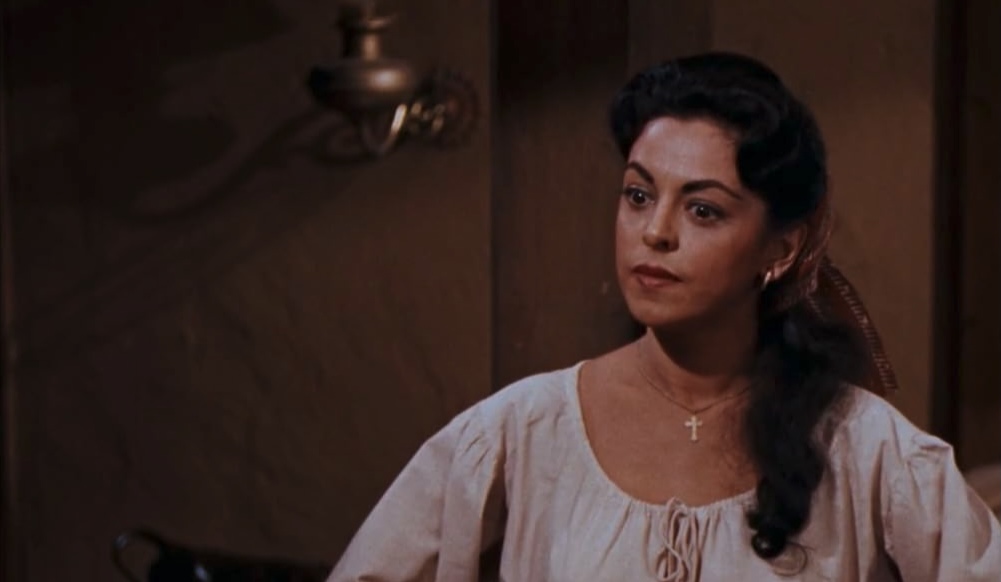
Estelita Rodriguez entered Hollywood at a moment when studios were eager to showcase performers with international flair, and her arrival from Cuba offered exactly the kind of presence mid‑century producers sought. Her path began far from California: by 1940 she was already a teenage sensation in Havana’s nightclub circuit, performing with Anselmo Sacasas and the Royal Havana Orchestra, a collaboration so popular that Chicago’s Colony Club adopted Cuban décor to match the atmosphere she helped create.
Her transition to the United States came through Metro‑Goldwyn‑Mayer, which signed her at 17 and placed her in its talent school. Although MGM never used her in a feature, the training shaped her early professional identity and prepared her for the studio system’s demands. After returning briefly to New York, she secured a contract with Republic Pictures in 1945, marking the true beginning of her Hollywood career. Her first appearance for the studio was in Mexicana, and she quickly became a recurring presence in Roy Rogers westerns, ultimately appearing in nine of them.
Rodriguez’s filmography reflects Republic’s interest in blending musical elements with frontier storytelling. Her singing background made her a natural fit for hybrid productions, and she became a recognizable figure in titles such as Along the Navajo Trail (1945), The Golden Stallion (1949), and Belle of Old Mexico (1950). These films positioned her as a lively, charismatic performer whose screen persona balanced glamour with the approachable warmth that western audiences appreciated.
Her most enduring role came later, in Howard Hawks’s Rio Bravo (1959), where she played Consuelo Robante alongside John Wayne, Dean Martin, and Angie Dickinson. The film’s lasting reputation has ensured that Rodriguez’s performance remains part of Hollywood’s broader mid‑century legacy, even though her career never intersected with the Academy Awards. She received no Oscar nominations, and none of her films brought her into the orbit of prestige productions typically recognized by the Academy. This absence reflects the nature of Republic Pictures itself, a studio focused on popular entertainment rather than award‑oriented filmmaking.
Rodriguez continued working steadily into the early 1960s, appearing in television series including Father Knows Best and Laredo, expanding her presence beyond the western genre. Her life ended abruptly in 1966, when she was found deceased in her Los Angeles home at age 40. The cause of death was never publicly clarified, a detail that has contributed to the lingering sense of mystery surrounding her biography.
Although she never achieved the accolades associated with Hollywood’s award circuits, Estelita Rodriguez remains a distinctive figure in American film history. Her cross‑cultural trajectory, her contributions to the western musical hybrid, and her appearance in one of the era’s most iconic films have secured her a place in the narrative of mid‑century Hollywood—an actress whose career reflected both the opportunities and limitations of the studio system she navigated.
© All rights reserved
.jpg)
You Might Be Interested
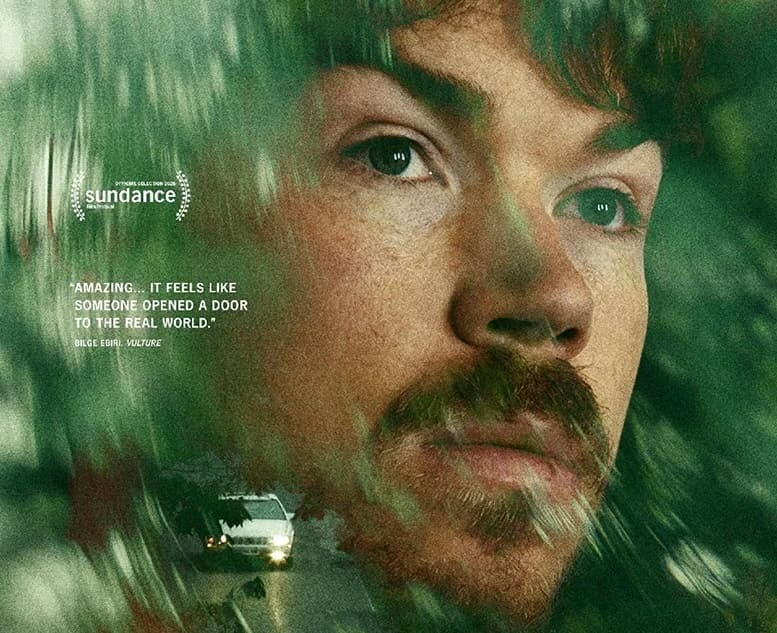
Drama film Union County: Drug Program starring Will Poulter, Noah Centineo - plot
Union County: Will Poulter and Noah Centineo Star in Addiction Recovery Drama
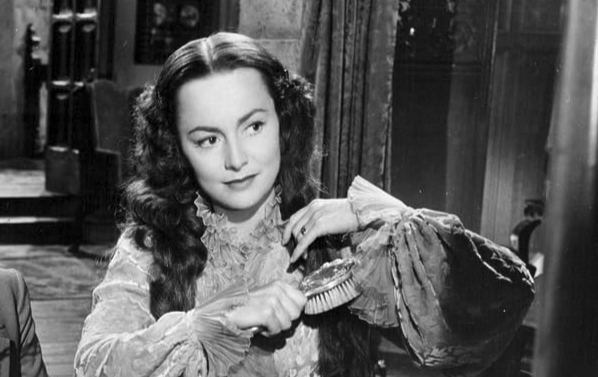
Olivia de Havilland: The Legacy She Left to Hollywood’s Future Generations
Born July 1, 1916
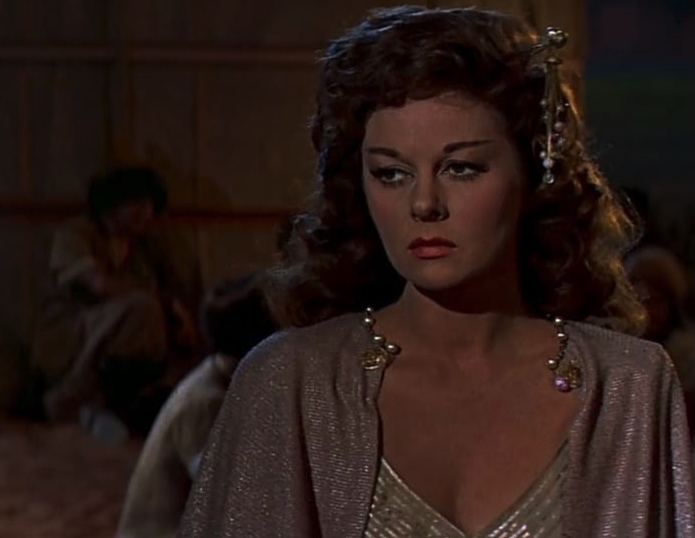
Susan Hayward: The Brooklyn Girl Who Conquered Hollywood
Born June 30, 1917 – A Career Forged in Rejection and Resilience

Minions & Monsters: Trivia About the Film's Sequel
Discover Minions & Monsters, plot, cast, release
Joan Davis: The Slapstick Queen Who Conquered Vaudeville, Radio, and Television
Born June 29, 1907, St. Paul, Minnesota

Box Office Most-Watched Movies: 'Supergirl' and 'Jackass: Best and Last' Are the New Entries
Discover the rankings of the most-watched movies in the USA, from Supergirl to Toy Story 5: plot and cast
.jpg)
Harvey Keitel at Filming Italy Sardegna: 'The Power of Aesthetics Can Change the Way People Think'
The festival will take place from June 25 to 28 in Cagliari and at Forte Village.
John McIntire: A Steady Presence in Hollywood’s Golden Age
Born June 27, 1907, Spokane, Washington