
François Truffaut: The Director of the French New Wave
Born February 6, 1932, Oscar winner for "Day for Night"
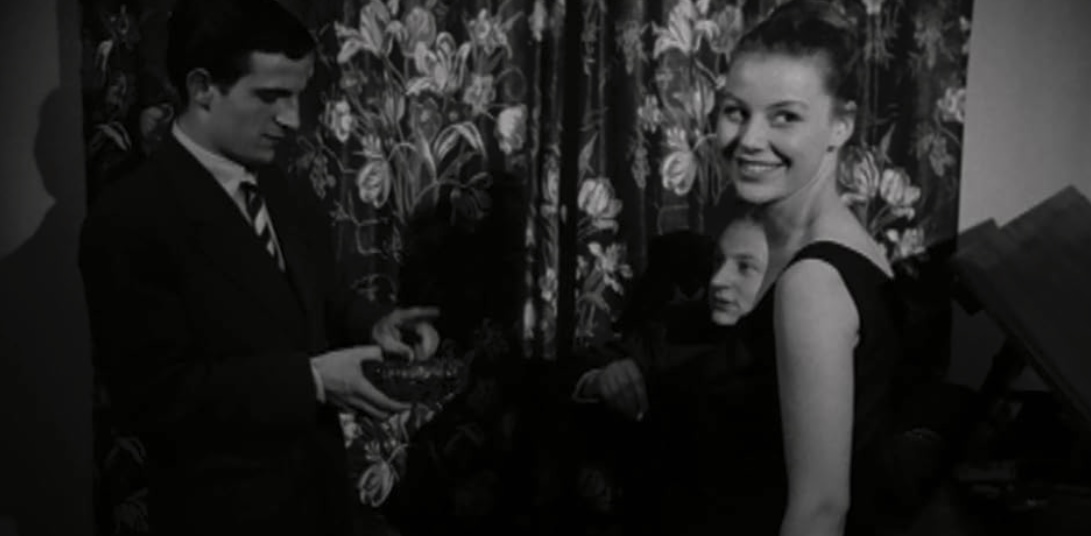
François Roland Truffaut was born in Paris on February 6, 1932. His multifaceted presence in French cinema encompassed the roles of director, screenwriter, producer, actor, and critic, making decisive contributions to the birth of the Nouvelle Vague, a movement that transformed French cinematic language in the late 1950s.
Truffaut's professional journey began as a critic for "Cahiers du Cinéma," a publication directed by André Bazin, who became his mentor. During this period, he developed the "auteur theory," which identified the director as the true creator of a cinematic work.
In 1959, he completed his debut film, "The 400 Blows," a semi-autobiographical account centered on the troubled adolescence of Antoine Doinel, a character portrayed by Jean-Pierre Léaud. The film, awarded for direction at Cannes, initiated a narrative cycle that followed the same protagonist through various life phases in subsequent works such as "Antoine and Colette," "Stolen Kisses," "Bed and Board," and "Love on the Run."
The 1960s saw Truffaut engaged in numerous projects. After "Shoot the Piano Player" in 1960, he created "Jules and Jim" in 1962, an exploration of romantic dynamics starring Jeanne Moreau, which became an essential reference in film history. His production continued with "The Soft Skin," the adaptation of Bradbury's novel "Fahrenheit 451," "The Bride Wore Black," and "Mississippi Mermaid."
The 1970s represented the period of international recognition with works such as "The Wild Child," "Two English Girls," and particularly "Day for Night," a meta-cinematic reflection that earned him the Oscar for Best Foreign Language Film and a BAFTA. In this film, Truffaut also took on the role of actor as director Ferrand. His presence in front of the camera led Steven Spielberg to cast him as scientist Claude Lacombe in "Close Encounters of the Third Kind."
Toward the end of the decade, he created "The Green Room," inspired by the work of Henry James. The 1980s began with "The Last Metro," set in Nazi-occupied Paris, a film that won ten César Awards. "The Woman Next Door" and "Confidentially Yours" followed, the latter an homage to American film noir that represented his artistic testament.
Parallel to his directorial activity, Truffaut dedicated himself to film production with his company Les Films du Carrosse, supporting the work of colleagues such as Rivette, Godard, and Rohmer. He also published "Hitchcock/Truffaut," a conversation with the master of suspense considered a milestone in film criticism.
Truffaut passed away on October 21, 1984, in Neuilly-sur-Seine, at just 52 years old. His artistic legacy continues to influence contemporary cinema, thanks to his ability to combine formal rigor with narrative depth.
© All rights reserved
You Might Be Interested
Harrison Ford: The Icon of the Cinematic Hero
Born July 13, 1942

Box Office Most-Watched Movies, 'Moana' and 'Evil Dead Burn' Are the New Entries
Discover the ranking of the most-watched movies in the USA, from Moana to Minions & Monsters and Evil Dead Burn: plot an
Sela Ward: A Career Between Television and Film
Born July 11
Lioness Season 3: Updates on the Third Season with Nicole Kidman, Zoe Saldaña, Morgan Freeman
Discover the release date, full cast, and streaming options of Lioness Season 3, the espionage thriller series available
Sofía Vergara: Career and Recent Developments
Born July 10, 1972, Barranquilla, Colombia

Action Movie Above & Below, the Shark Attack with Antonio Banderas, Laura Marano - Plot
Above & Below: plot, cast, trailer and release of the thriller with Antonio Banderas and Laura Marano.
Tom Hanks: Seventy Years of American Cinema
Born July 9, 1956, in Concord, California
Dune: Part Three: Sequel Updates - Plot and New Trailer
Discover Dune Part Three, the film starring Timothee Chalamet, Zendaya, and Rebecca Ferguson. Plot, cast, and release da