
Ida Lupino: From Acting to Noir Directing
The Director Who Challenged Hollywood
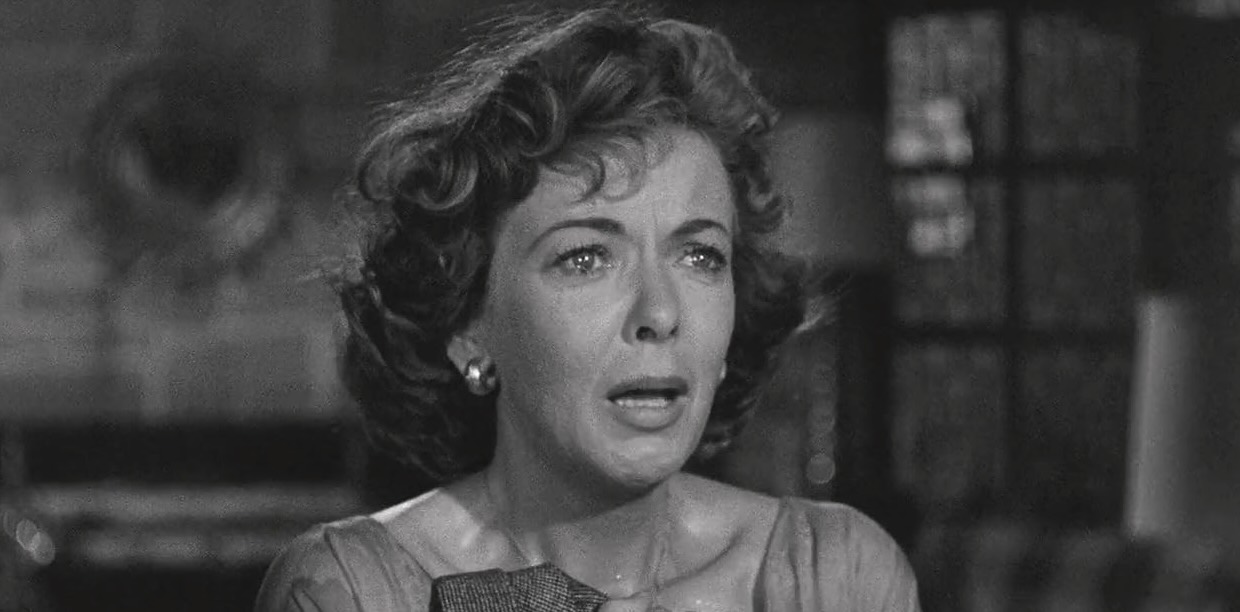
Ida Lupino was born in London on February 4, 1918, into a family of artists with Italian roots, historically connected to the puppet tradition and the character of Pulcinella in the United Kingdom. Her technical training began at the Royal Academy of Dramatic Art in 1931, providing her with the foundation for an early film debut. In 1932, she appeared in Allan Dwan's "Her First Affair," an experience that allowed her to move to Hollywood the following year under contract with Paramount.

Her early years in the American studio system were characterized by supporting roles, until her professional maturation occurred with "The Light That Failed" in 1939. Her transition to Warner Bros. and collaboration with director Raoul Walsh marked a defining phase: in films such as "They Drive by Night" and the noir "High Sierra," Lupino developed a rigorous and analytical acting style. In 1943, her performance in "The Hard Way" consolidated her technical reputation, receiving recognition from New York critics.
The transition to directing occurred structurally in 1949, following a contract suspension and the sudden need to replace director Elmer Clifton on the set of "Not Wanted." This circumstance led Lupino to found, together with Collier Young, the independent production company The Filmmakers. Through this entity, she chose to address themes then marginalized by mainstream cinema, such as polio in "Never Fear," sexual violence in "Outrage," and generational conflicts in "Hard, Fast and Beautiful."

In 1950, she became the second woman to be admitted to the Directors Guild of America, setting a fundamental precedent in the industry. A further technical milestone was reached in 1953 with "The Hitch-Hiker," which made her the first female director to venture into the noir genre. During the same period, she directed and starred in "The Bigamist," a work that analyzed the theme of bigamy with a realistic approach devoid of sensationalism. On set, her professional authority was such that she was nicknamed "Mother" by the crew, a term that reflected her centralized management of creative work.
The latter part of her career saw an alternation between television and film directing and participation as an actress in prominent films such as Robert Aldrich's "The Big Knife" and Fritz Lang's "While the City Sleeps." After directing "The Trouble with Angels" in 1966 and acting in Sam Peckinpah's "Junior Bonner" in 1972, Lupino concluded a professional journey that redefined the operational role of women within American cinema, shifting attention to a narrative of strong social commitment.

© All rights reserved

You Might Be Interested
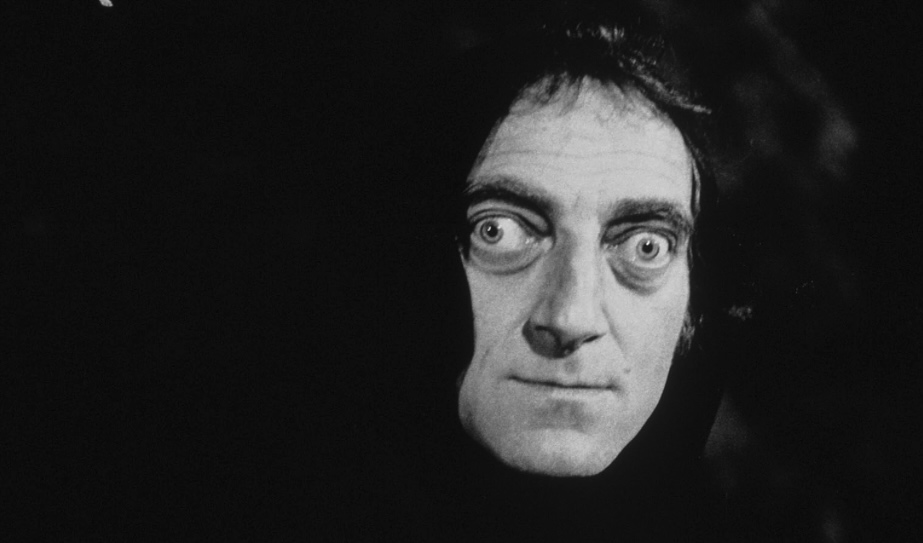
Marty Feldman: The Wild Eye of British Comedy
Born July 8, 1934, in London

The Wrong Girls: Codependent Friends with Kristen Stewart, Alia Shawkat, Seth Rogen - Plot
Discover The Wrong Girls, the comedy movie with Kristen Stewart, Seth Rogen: plot, cast
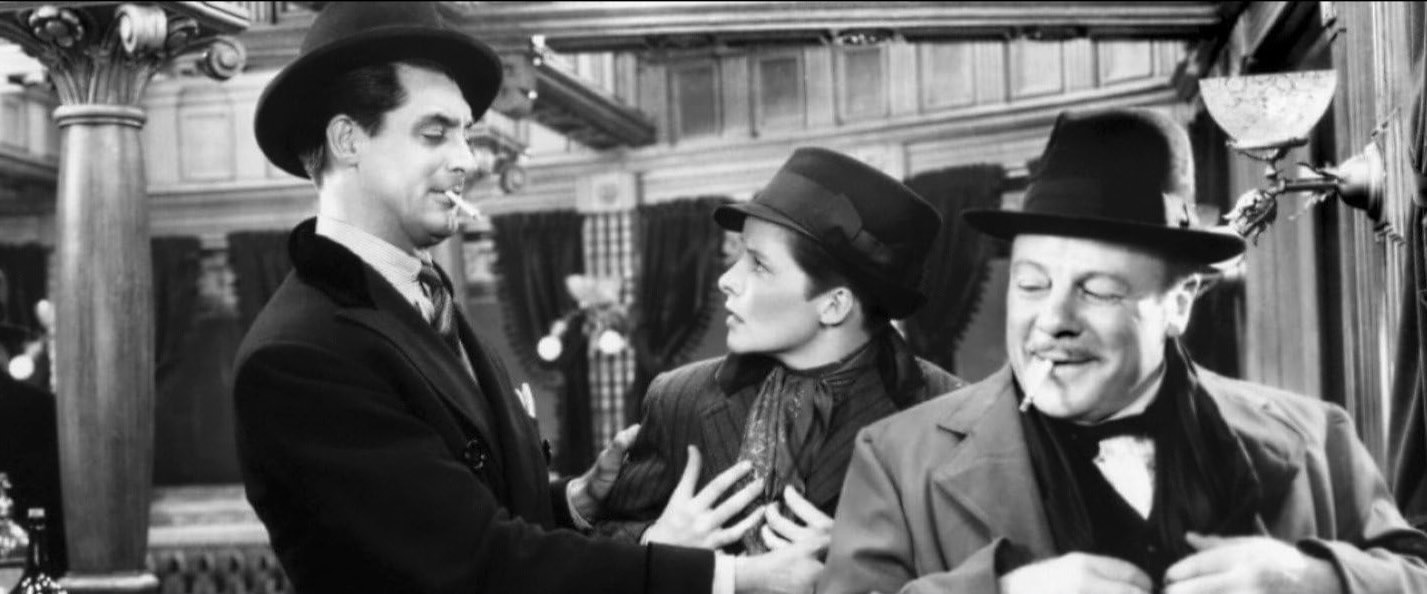
George Cukor: Master of Classical Hollywood Direction
Born July 7, 1899

Moana, Curiosities About the Live-Action Movie
Moana is the upcoming movie.
.jpg)
50th Anniversary of Jesus of Nazareth - interview with Robert Powell
At the Italian Global Series: Giulio Base, moderator Alessandra De Luca
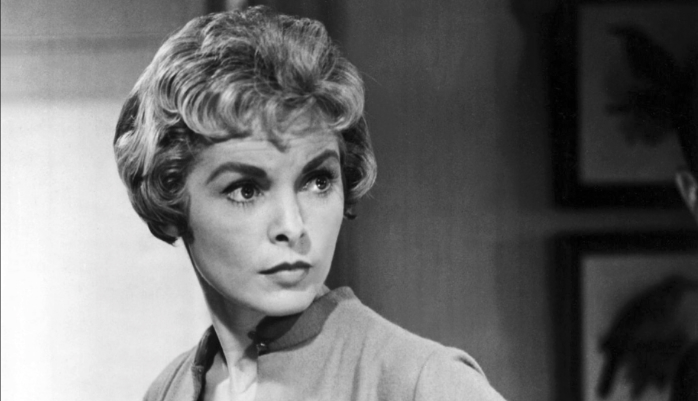
Janet Leigh: The Actress Who Defined Horror Cinema
Jeanette Helen Morrison, July 6, 1927

Box Office Most-Watched Movies, 'Minions & Monsters' and 'Young Washington' Are the Novelty
Discover the ranking of the most-watched movies in the USA, from Minions & Monsters to Toy Story 5: plot and cast
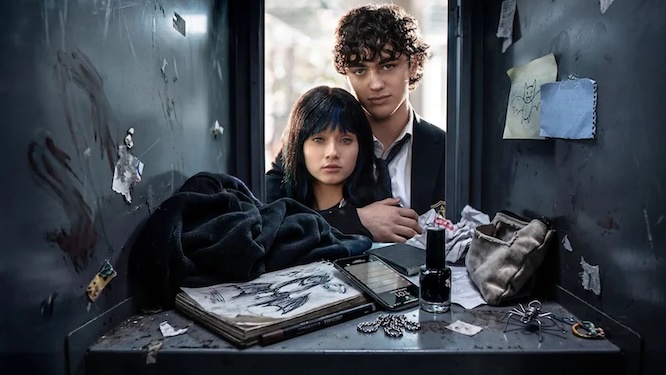
Final Project TV Series: The New Mexican Teen-Drama
The streaming platform announces the release date of the suspense series starring Isabella Tena and Tristán Maze