
Melania: A Self-Portrait of a First Lady
Inside the $40 Million Documentary That Redefines Political Mythology
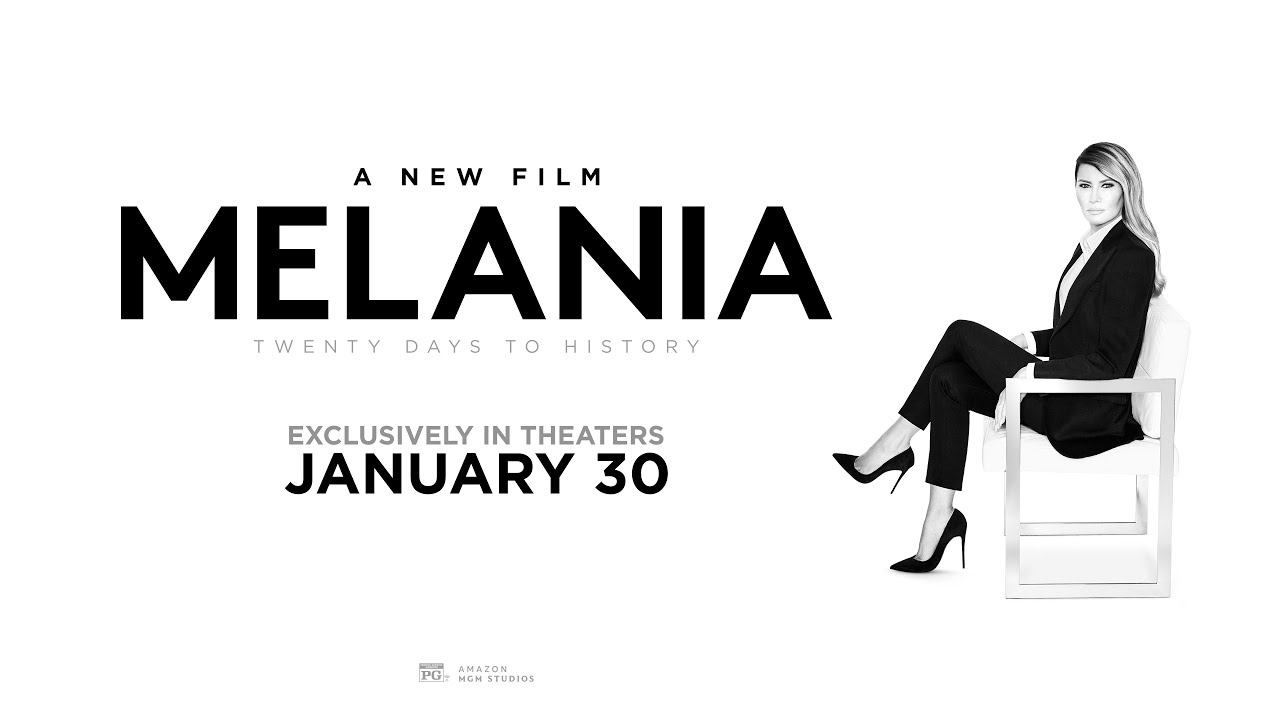
Entitled Melania, the documentary is released on 30 January 2026, marking an unprecedented step in the public narrative of a First Lady in office. Produced by Melania Trump and Fernando Sulichin, it was acquired by Amazon MGM Studios for an estimated $40 million, surpassing bids from other streaming giants such as Netflix and Disney. Running for approximately 104 minutes, the film focuses specifically on the twenty days leading up to Inauguration Day in January 2025. It offers exclusive and private access to the Trump family's return to the White House following their election victory in November 2024.
What distinguishes this project is its temporal specificity—focusing exclusively on the twenty days preceding the January 2025 inauguration. This narrow window creates a narrative tension between public ceremony and private calculation. The cameras, under Brett Ratner's direction, move through spaces typically inaccessible to public view: the transitional meetings at Trump Tower, the strategic planning sessions at Mar-a-Lago, and the reclamation of White House private quarters. Each location becomes not merely a backdrop but a character in this carefully orchestrated visual memoir.
Ratner's involvement itself represents a complex negotiation between artistic rehabilitation and political access. His return to filmmaking after years of industry exile following MeToo allegations creates an unintended subtext to the film's creation. The First Lady's decision to collaborate with a director seeking redemption parallels her own narrative of public reinvention and calculated visibility.
The private screenings—particularly the White House event attended by figures as disparate as Mike Tyson and Queen Rania—reveal the film's function as both diplomatic instrument and cultural statement. The documentary transcends mere biographical exposition, instead examining the mechanics of image construction. Viewers witness the deliberate selection of inaugural attire, the choreography of public appearances, and the careful framing of philanthropic initiatives like "Fostering the Future." These elements compose not just a documentary but a visual manifesto on power, presentation, and the performance of public service.
The distribution strategy itself reflects the hybrid nature of contemporary media consumption—a limited theatrical release followed by permanent residence on streaming platforms. This trajectory mirrors the subject's own movement between public visibility and private retreat, between the ceremonial demands of official duties and the controlled access of personal branding. The rumored companion docuseries suggests not an afterthought but a calculated extension of narrative control, a multi-platform approach to image management that blurs the boundaries between political documentation and personal mythology.
© All rights reserved

You Might Be Interested
Martin Landau: The Actor Who Drew Comics
Brooklyn, June 20, 1928
Charles Coburn: the gentleman who conquered Hollywood at sixty
Born June 19, 1877, in Macon, Georgia

Thriller Movie The Lottery: $300 Million with Belmont Cameli, Sofia Wylie, Madison Thompson - Plot
La lotteria: trama, cast e ambientazione del thriller con Belmont Cameli e Sofia Wylie.

Comedy Movie 40 Dates and 40 Nights, dating app with Bailee Madison, Joel Courtney - plot
40 Dates and 40 Nights: plot, cast and release of the movie with Bailee Madison and Joel Courtney
Blanche Sweet: The Actress Who Invented the Modern Heroine, Forgotten by Hollywood
Born on June 18
Tombolini at Pitti Uomo 110: Lightness as the New Frontier of Menswear

Shrek 5 Movie, News on the Sequel
Discover Shrek 5, the movie with Mike Myers, Cameron Diaz, Eddie Murphy. Plot, cast, release, trailer

The Echo Chamber Movie, Voice in the Room with Luca Marinelli, Alicia Vikander, Susan Sarandon
The Echo Chamber: plot, cast and production of the movie with Luca Marinelli