
Omar Sharif: Icon of Classic Cinema
Born on April 10, 1932, in Egypt
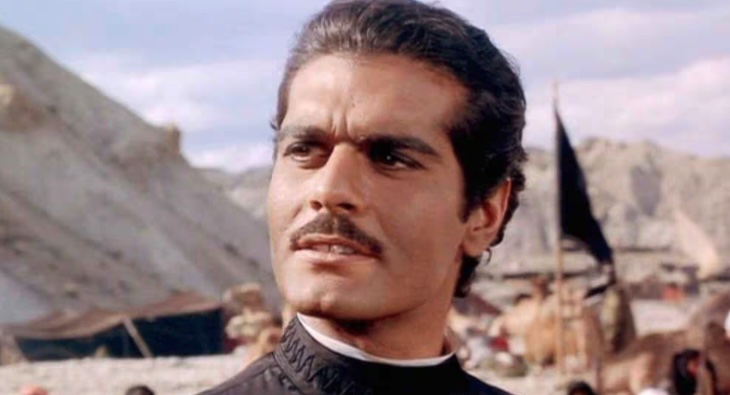
The International Career of Omar Sharif, Egyptian Actor and Symbol of Classic Hollywood Cinema
Michel Yusef Dimitri Chalhoub was born in Alexandria, Egypt, on April 10, 1932. He came from a family of Lebanese and Syrian descent and attended Victoria College in Alexandria before earning a degree in mathematics and physics from Cairo University. After a brief period working in the family lumber business, he made his film debut in 1953 in the Egyptian movie Siraa Fil-Wadi (The Blazing Sun), acting alongside Faten Hamama. In 1955, he converted to Islam, adopted the name Omar al-Sharif, and married Hamama, with whom he had a son, Tarek, born in 1957.
His international breakthrough came in 1962 with David Lean’s Lawrence of Arabia, in which he played Sheikh Ali. This role earned him an Academy Award nomination for Best Supporting Actor and two Golden Globes, marking a major milestone as the first Arab actor to achieve significant success in Hollywood. In 1965, he starred in Doctor Zhivago, also directed by Lean, winning the Golden Globe for Best Actor in a Drama.
Among the most representative films of his career is Lawrence of Arabia, which tells the story of T.E. Lawrence, a British officer who unites Arab tribes against the Ottoman Empire during World War I. This epic film marked a turning point in historical cinema. In 1965, Sharif played the lead role in Doctor Zhivago, an adaptation of Boris Pasternak’s novel about a doctor and poet during the Russian Revolution, a film that cemented his international fame. Other significant titles include The Fall of the Roman Empire (1964), where he played a key role in a historical narrative set in the imperial era, and Genghis Khan (1965), a biographical film about the famous Mongol leader. In 1968, he appeared in Funny Girl alongside Barbra Streisand, a film that drew considerable attention also for the on-screen kiss between the two leads, an event that sparked reactions in Egypt. In 2003, he returned to prominence with Monsieur Ibrahim, portraying a Turkish Muslim merchant who forms a paternal bond with a Jewish boy, a performance that earned him the César Award for Best Actor.
During the 1970s and 1980s, Omar Sharif appeared in European and American productions such as Juggernaut (1974), The Tamarind Seed (1974), Bloodline (1979), and several television series including Peter the Great (1986) and Anastasia: The Mystery of Anna (1986). In 1989, he returned to Egyptian cinema with The Puppeteer.
In the 1990s, he acted in The Rainbow Thief (1990), Mayrig (1991), and the documentary Lebanon…Imprisoned Splendour (1996). In 1999, he took part in The 13th Warrior, an experience that led to a temporary break from acting.
In 2003, he played the lead role in Monsieur Ibrahim, adapted from the novel Monsieur Ibrahim et les fleurs du Coran. For this role, he received the César Award for Best Actor and the Golden Lion for Lifetime Achievement at the Venice Film Festival.
Beyond his film career, Omar Sharif was known for his passion for bridge. In the 1960s, he became one of the world’s most famous bridge players, captaining the Egyptian team at the Bridge Olympiads in 1964 and 1968. In 1967, he founded the Omar Sharif Bridge Circus and later wrote for the Chicago Tribune and published books on the game. In 1992, a bridge video game was named after him.
In his later years, he settled in Cairo, where he died on July 10, 2015, at the age of eighty-three.
Major Awards and Recognitions
Omar Sharif was nominated for an Academy Award for Lawrence of Arabia and won the Golden Globe for Doctor Zhivago. In 2003, he received the César Award for Monsieur Ibrahim and the Golden Lion for Lifetime Achievement at the Venice Film Festival.
© All rights reserved

You Might Be Interested
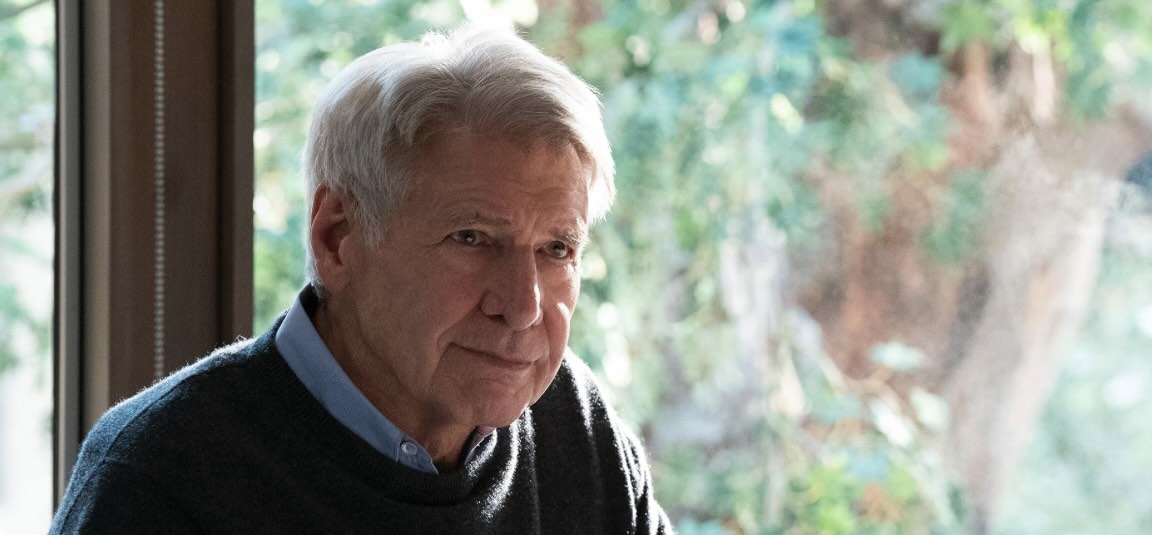
Harrison Ford: The Icon of the Cinematic Hero
Born July 13, 1942

Box Office Most-Watched Movies, 'Moana' and 'Evil Dead Burn' Are the New Entries
Discover the ranking of the most-watched movies in the USA, from Moana to Minions & Monsters and Evil Dead Burn: plot an
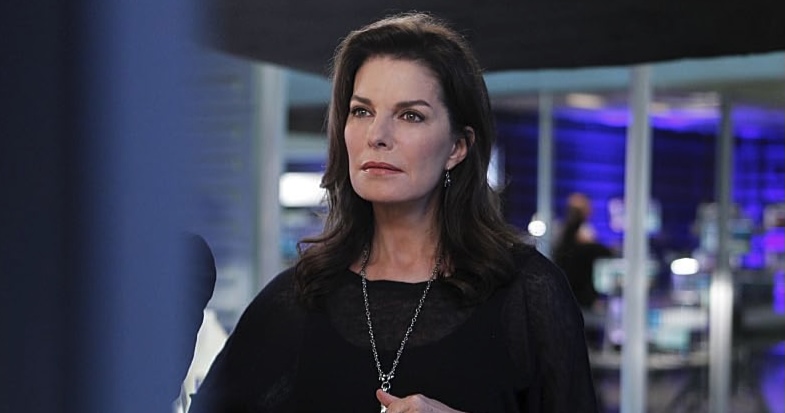
Sela Ward: A Career Between Television and Film
Born July 11

Lioness Season 3: Updates on the Third Season with Nicole Kidman, Zoe Saldaña, Morgan Freeman
Discover the release date, full cast, and streaming options of Lioness Season 3, the espionage thriller series available
Sofía Vergara: Career and Recent Developments
Born July 10, 1972, Barranquilla, Colombia

Action Movie Above & Below, the Shark Attack with Antonio Banderas, Laura Marano - Plot
Above & Below: plot, cast, trailer and release of the thriller with Antonio Banderas and Laura Marano.
Tom Hanks: Seventy Years of American Cinema
Born July 9, 1956, in Concord, California
Dune: Part Three: Sequel Updates - Plot and New Trailer
Discover Dune Part Three, the film starring Timothee Chalamet, Zendaya, and Rebecca Ferguson. Plot, cast, and release da