
Sidney Poitier, the Oscar, and the Records of an American Cinema Icon
From his 1950 debut to the Presidential Medal of Freedom: the professional arc of the actor who rewrote Hollywood’s rule
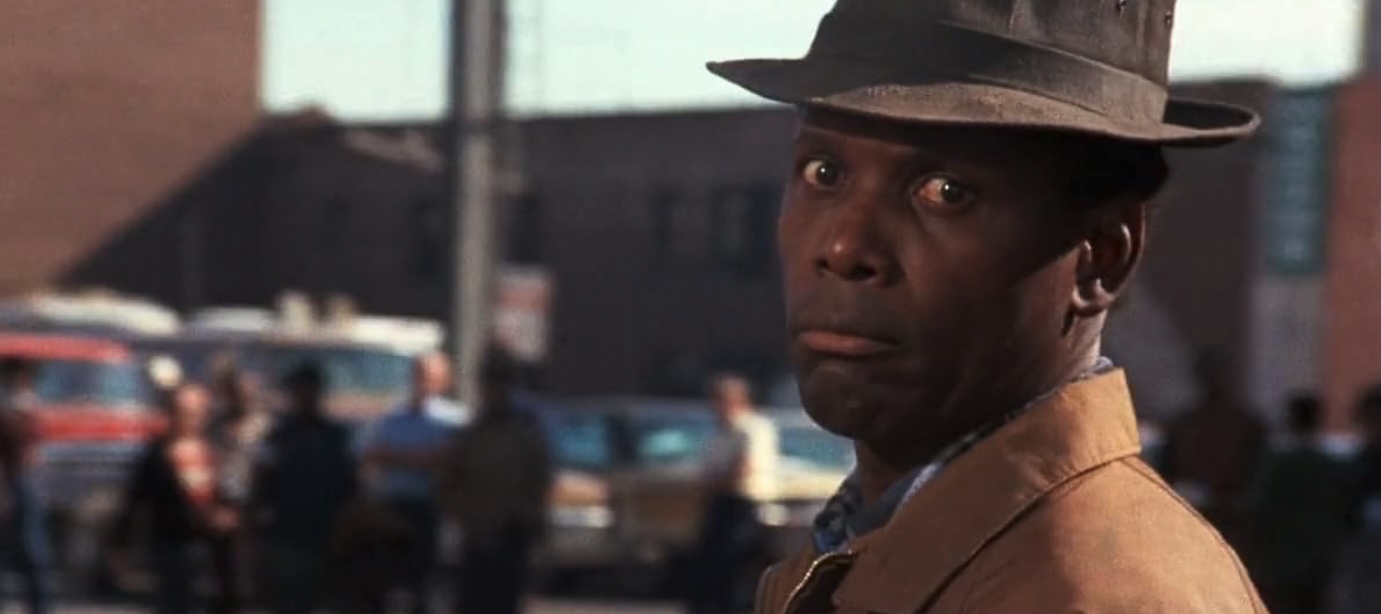
On February 20, 1927, Sidney Poitier was born in Miami — an actor and director whose career structurally redefined the parameters of the American and international film industry. His Bahamian origins initially conditioned his diction, barring him from access to the American Negro Theatre. Poitier then undertook a systematic process of phonetic self-training, shaping his pronunciation by listening to radio journalists of the era. The result was his cinematic debut in 1950 with No Way Out by Joseph L. Mankiewicz — a film that immediately established him as an interpreter capable of roles of high dramatic complexity, far removed from the prevailing stereotypes in B-movie productions.
Poitier’s professional progression is marked by a sequence of institutional firsts. In 1958, with The Defiant Ones, he received his first Oscar nomination for Best Actor in a Leading Role: the first African American actor to attain such recognition. The statuette came in 1964 for Lilies of the Field, a performance that combined expressive precision with command of comic timing. 1967 represents the year of greatest commercial concentration: Poitier appeared as the lead in three of the season’s most profitable films — To Sir, with Love, In the Heat of the Night, and Guess Who’s Coming to Dinner? — ranging from crime drama to social comedy without altering his stylistic signature.
In the 1970s, Poitier extended his professional profile to directing. His debut behind the camera came in 1972 with the western Buck and the Preacher, followed by the direction of Uptown Saturday Night. His collaboration with Gene Wilder in Stir Crazy (1980) proved to be one of the decade’s highest-grossing releases, confirming the solidity of his vision as an author. On the institutional recognition front, he received an honorary Oscar in 2002 and the Presidential Medal of Freedom in 2009. From 1997 to 2007, he also served as Bahamian Ambassador to Japan — a role that fits coherently within the international standing built over more than fifty years of activity.
© All rights reserved


You Might Be Interested
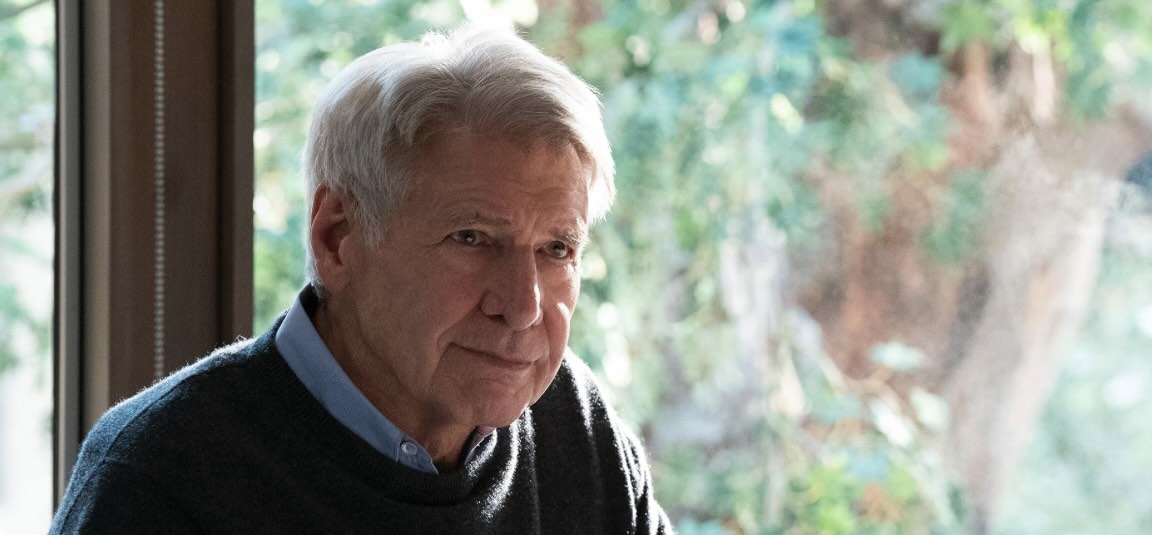
Harrison Ford: The Icon of the Cinematic Hero
Born July 13, 1942

Box Office Most-Watched Movies, 'Moana' and 'Evil Dead Burn' Are the New Entries
Discover the ranking of the most-watched movies in the USA, from Moana to Minions & Monsters and Evil Dead Burn: plot an
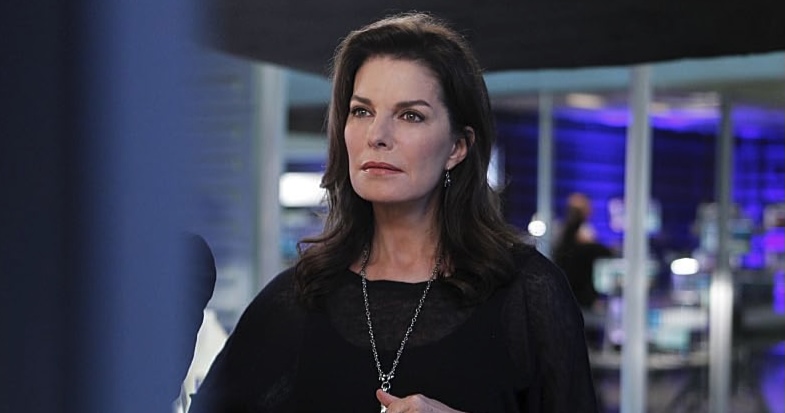
Sela Ward: A Career Between Television and Film
Born July 11

Lioness Season 3: Updates on the Third Season with Nicole Kidman, Zoe Saldaña, Morgan Freeman
Discover the release date, full cast, and streaming options of Lioness Season 3, the espionage thriller series available

Sofía Vergara: Career and Recent Developments
Born July 10, 1972, Barranquilla, Colombia

Action Movie Above & Below, the Shark Attack with Antonio Banderas, Laura Marano - Plot
Above & Below: plot, cast, trailer and release of the thriller with Antonio Banderas and Laura Marano.

Tom Hanks: Seventy Years of American Cinema
Born July 9, 1956, in Concord, California

Dune: Part Three: Sequel Updates - Plot and New Trailer
Discover Dune Part Three, the film starring Timothee Chalamet, Zendaya, and Rebecca Ferguson. Plot, cast, and release da