
Tribeca Film Festival Shan Jiang interview
The film Ephemera has been presented
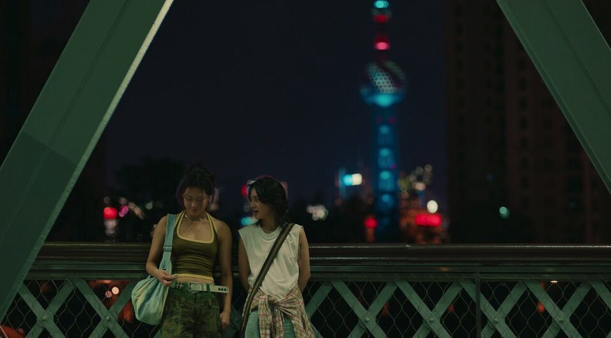
Shan Jiang is attending the Tribeca Film Festival with Ephemera. When introducing the film, you explained that Shanghai has always been the “most open” city to you and the most receptive to the outside world. What did you want to capture about the post-pandemic city, and how did this state of transition influence the story?
What drew me to Ephemera was the way Shanghai functions as more than a setting. It becomes an active participant in the story.
Shanghai has always represented openness, creativity, and cultural exchange. It is a city where different backgrounds, languages, and perspectives naturally intersect. For a story about identity, belonging, and unexpected connection, there could hardly be a more fitting environment.
From an editorial standpoint, we wanted audiences to experience the energy of the city through the characters’ journey. As Asher and Tori move through Shanghai over the course of a single night, viewers encounter different sides of the city. Its vibrant nightlife, artistic communities, iconic architecture, and endless sense of possibility.
What makes Shanghai especially cinematic is its ability to feel both deeply rooted in history and constantly evolving. That dynamic quality mirrors Asher’s own experience as someone navigating multiple cultures and trying to understand where she belongs.
Shanghai is one of the few cities in the world where a story like Ephemera feels completely natural. Its openness, diversity, and constant exchange of ideas create an environment where two strangers can spend one night together and discover something meaningful about themselves.
Rather than simply using Shanghai as a backdrop, the film celebrates the city as a place where meaningful encounters can happen. The openness of the city creates the conditions for Asher and Tori’s connection, and their journey becomes, in many ways, a love letter to Shanghai itself.
The film follows Asher and Tori over the course of one night and draws on the tradition of “walk-and-talk romances.” What was the biggest challenge in making such a concentrated narrative arc cinematically compelling?
The greatest challenge was maintaining emotional momentum without relying on traditional plot mechanics.
Many films create engagement through external conflict or dramatic twists. Ephemera asks audiences to stay invested primarily through conversation, chemistry, and subtle emotional shifts. That places enormous responsibility on performance, directing, cinematography, and especially editing.
As editors, we were constantly asking ourselves: “What is changing at this moment?” Even when the characters are simply walking or talking, something has to evolve emotionally. A glance lasts slightly longer. A joke reveals vulnerability. A pause becomes meaningful.
The rhythm of the film became crucial. We wanted viewers to feel like they were experiencing the night alongside the characters rather than observing it from a distance. The challenge wasn’t making the night feel shorter. It was making every minute feel richer.
Critics have highlighted the naturalness of the dialogue and the chemistry between the leads. How did you work with Yvonne Shuyu Zhang and Shu-Yi to achieve such spontaneous and believable intimacy?
One of the strengths of both Yvonne and Shu-Yi is that they understand how much communication exists beyond dialogue.
In the edit, we often found ourselves preserving moments that might traditionally be removed. Small hesitations, unfinished thoughts, laughter that overlaps dialogue, or reactions that occur after the line has ended. Those moments create the feeling that two people are genuinely discovering one another rather than delivering scripted exchanges.
The chemistry works because neither performance is trying to “sell” the romance. Instead, both actors remain deeply attentive to each other. The audience senses that attentiveness, and it creates authenticity.
As editors, our job was often to know when not to cut. Sometimes intimacy is created not through montage but through patience.
You’ve stated that you didn’t want to dictate a specific message, but rather create an experience that could “fade away or linger” in unpredictable ways for the viewer. How would you define the sense of "ephemerality" that gives the film its title today?
To me, ephemerality is not simply about things ending.
It’s about recognizing that some experiences derive their meaning precisely because they are temporary.
Most of us can remember a conversation, a city, a relationship, or even a single evening that lasted only a short time but remained with us for years. Those moments often shape us more than experiences that are meant to be permanent.
Ephemera explores that paradox. Asher and Tori know from the beginning that time is limited. That awareness intensifies everything. Every conversation matters a little more. Every shared glance carries more weight.
The title reflects the idea that something fleeting can still leave a lasting imprint. Sometimes the briefest encounters become the memories we carry the longest.
Ephemera marks your first feature film. How has this experience changed your relationship with directing, and which aspects of the creative process surprised you the most?
What impressed me most about Shan throughout the process was his commitment to emotional precision.
Feature filmmaking teaches you that every creative decision accumulates over time. A scene that feels insignificant during production may become essential months later in the edit. Conversely, a scene everyone loves on set may ultimately need to be removed for the film to work.
The biggest surprise was how much of the directing continues long after production ends. In independent filmmaking, directing doesn’t stop when shooting wraps. It extends into editing, sound design, music, color, and every stage of post-production.
Watching Shan navigate those decisions reinforced how much filmmaking is ultimately about protecting the emotional core of a story from beginning to end.
Who is Shan Jiang in everyday life, and which directors have inspired him in his career as a filmmaker?
What I appreciate about Shan is that he approaches filmmaking with genuine curiosity about people. That curiosity is visible both in his work and in everyday life.
You can certainly feel influences from filmmakers such as Richard Linklater and Wong Kar-wai in Ephemera. The film openly engages with the tradition of city-centered romances and films that use urban space as an emotional landscape. Critics have also noted those connections.
But what distinguishes Shan’s voice is his interest in cultural identity and belonging. He is drawn to characters who exist between places, languages, and versions of themselves. That perspective gives Ephemera its unique emotional texture.
Do you have any future projects to share with your fans, and can you reveal any details about them?
Right now, our primary focus is bringing Ephemera to audiences through festivals and future distribution opportunities.
What excites me most is continuing to tell stories that connect cultures and perspectives. As someone working both in post-production and narrative filmmaking, I’m particularly interested in projects that explore identity, migration, memory, and the spaces between cultures.
I can’t reveal too many specifics yet, but I can say that we’re interested in stories that maintain the emotional intimacy of Ephemera while expanding their scope. If audiences respond to the film’s sense of connection, longing, and discovery, I think they’ll find similar themes in what comes next.
For now, we’re simply grateful to share Ephemera with audiences at the Tribeca Festival and to see these conversations begin.
© All rights reserved
You Might Be Interested
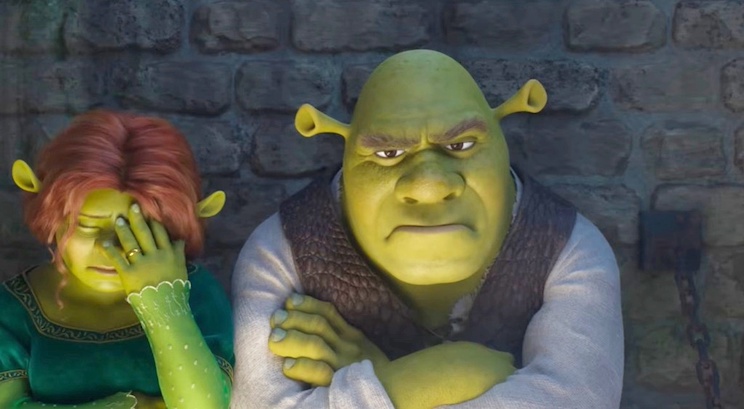
Shrek 5 Movie, News on the Sequel
Discover Shrek 5, the movie with Mike Myers, Cameron Diaz, Eddie Murphy. Plot, cast, release, trailer
The Echo Chamber Movie, Voice in the Room with Luca Marinelli, Alicia Vikander, Susan Sarandon
The Echo Chamber: plot, cast and production of the movie with Luca Marinelli

Tribeca Film Festival, Fernanda Tovar director interview
The dynamics of friendship
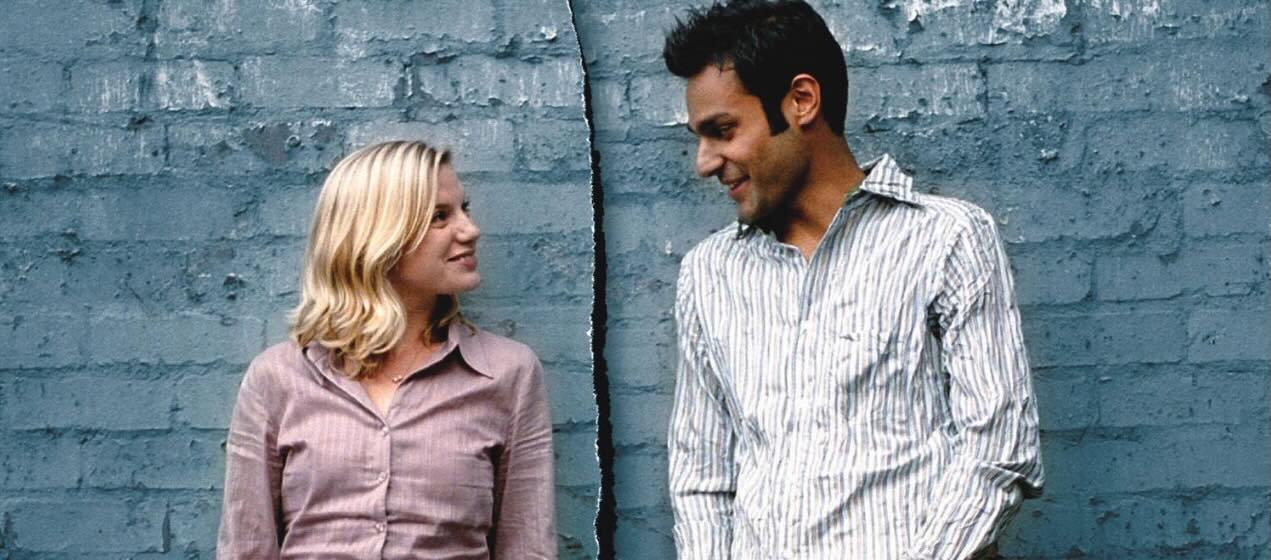
Ken Loach: The Master of Social Cinema Hollywood Has Never Awarded
Born June 17, On October 24, 2026, Loach will receive the Lifetime Achievement Award
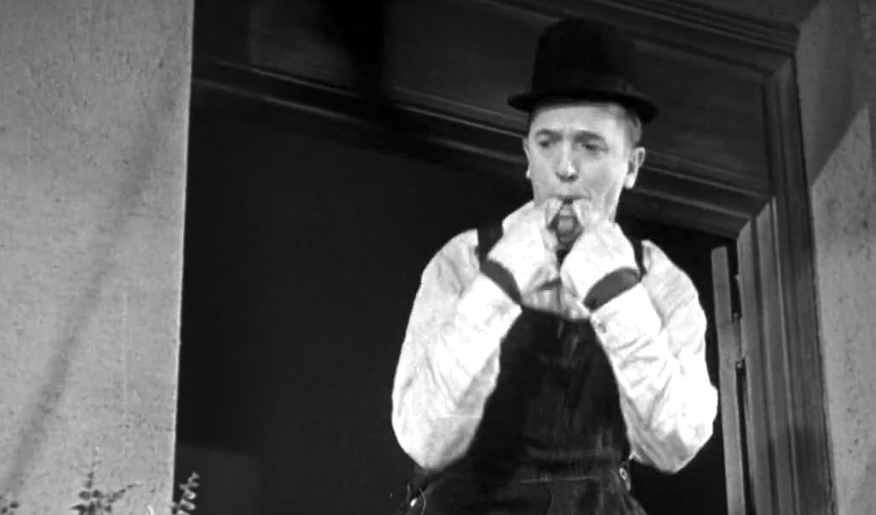
Stan Laurel: A Comedy Genius
Born June 16
Harry Langdon: the childlike face that conquered Hollywood
Council Bluffs, Iowa, June 15, 1884
Box Office Most Watched Movies, 'Disclosure Day' and 'The Furious' are the New Releases
Discover the ranking of the most watched movies in the USA, from Scary Movie to Masters of the Universe, Backrooms: plot
Ben Johnson: The Authentic Cowboy Who Conquered Hollywood
Born June 13, 1918, in Foraker, Oklahoma