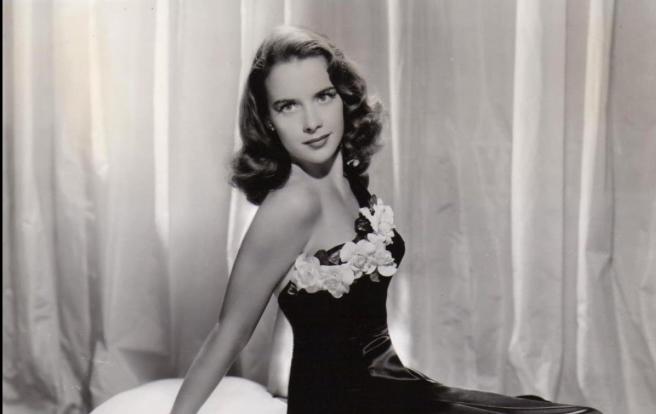
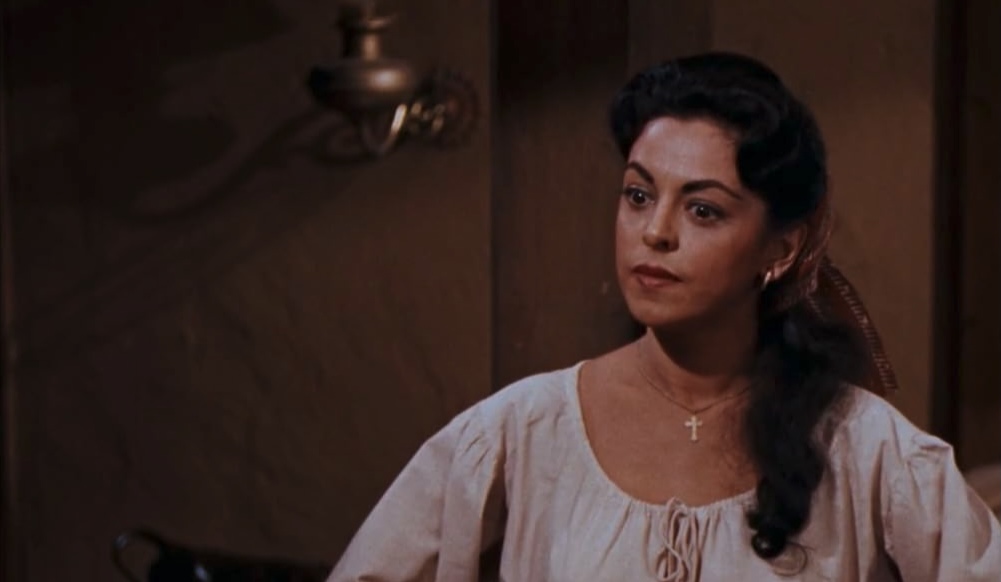
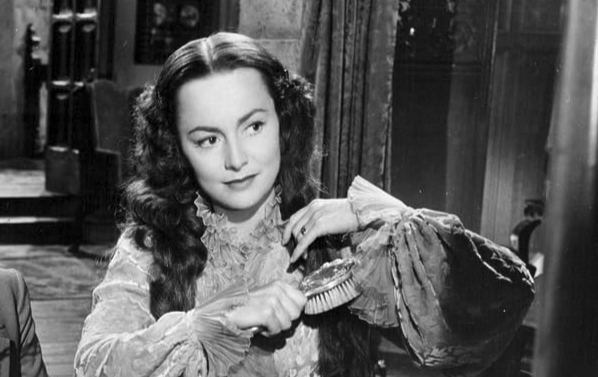
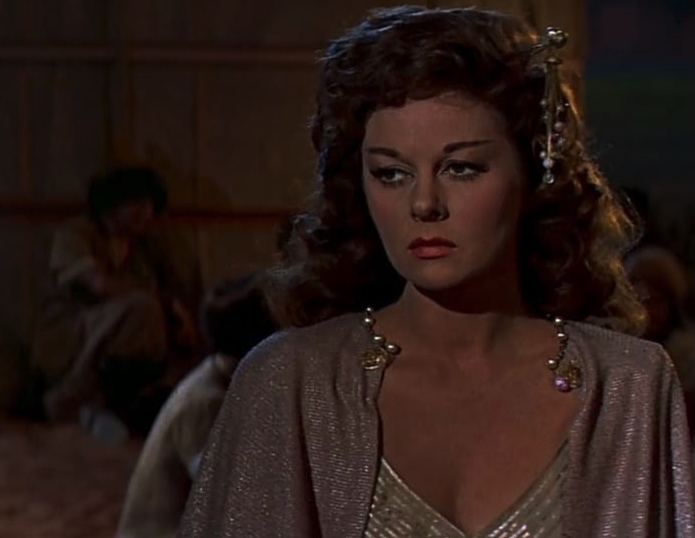
When Eva Marie Saint accepted the role of Martha Kent in "Superman Returns" in 2006, she was eighty-two years old with a career many considered long over. Yet that choice revealed something essential about her approach to cinema: not the quantity of roles, but their quality. Over sixty years, Saint appeared in fewer than thirty feature films, a deliberate choice that made her an anomaly in the Hollywood system.
Born in Newark on American Independence Day, Saint grew up in a Quaker family that instilled values of sobriety and reflection. Bowling Green State University initially prepared her for teaching, but radio offered her first professional opportunity. She worked for NBC Radio before ever stepping onto a theater stage, a path opposite to most actors of her generation.
The Actors Studio marked a true turning point. Under Lee Strasberg’s guidance, Saint absorbed the Method with a dedication that shaped every subsequent performance. When Elia Kazan cast her in "On the Waterfront" in 1954, he wasn’t just looking for an actress; he sought someone capable of matching Marlon Brando, already regarded as the greatest actor of his generation.
The film earned her the 1955 Oscar for Best Supporting Actress, though that win concealed a marketing strategy. Producers knew the role of Edie Doyle was technically a lead, but they submitted her in the supporting category to increase her chances. The tactic worked, but Saint never deluded herself about the system: Hollywood was an industry, and she quickly learned to navigate its logic without being overwhelmed.
After that triumphant debut, many expected a rapid career pace. Instead, Saint slowed down. She declined roles that didn’t convince her, favoring theater and television when cinema failed to offer compelling characters. In 1957, she accepted "A Hatful of Rain," a film about drug addiction that tackled still-taboo subjects in Hollywood. Her performance earned a Golden Globe nomination and, more importantly, confirmed she could choose bold projects without compromising artistic integrity.
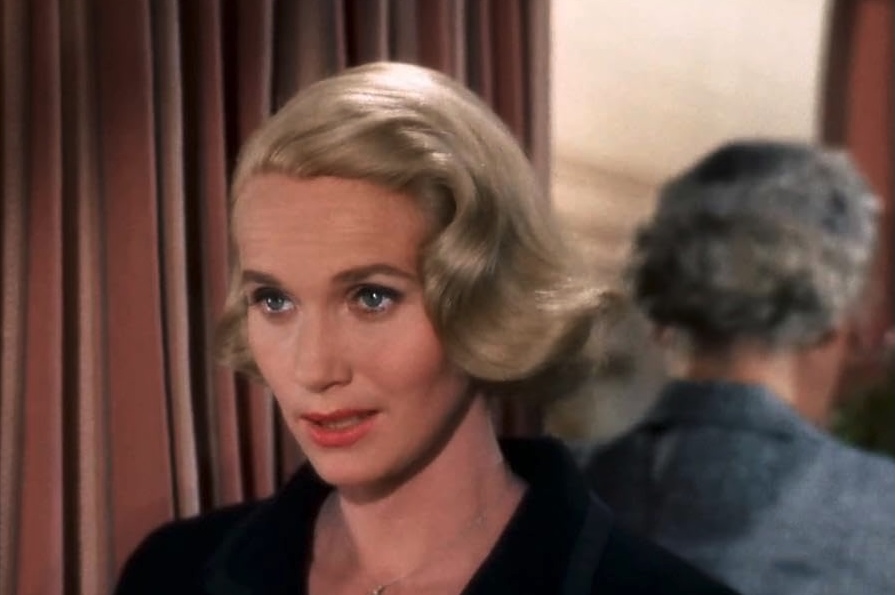
Meeting Alfred Hitchcock in 1959 marked a stylistic turning point. "North by Northwest" required a type of acting completely different from Kazan’s urban realism. Hitchcock wanted elegance, control, and implicit rather than explicit sensuality. Saint had to unlearn parts of the Method to adapt to the British director’s vision, who detested improvisation and demanded every gesture be precisely measured.
Her relationship with Cary Grant on set was revealing. Grant embodied the old Hollywood system, the studio-built star, while Saint represented a new generation raised in off-Broadway theaters. Yet a professional understanding transcended their generational gap. Grant taught her how to handle fame without being crushed by it, a lesson Saint applied throughout her life by maintaining a discreet public profile.
The 1960s saw her alternate between film and television with unusual ease for the time. While many film actors considered TV a fallback, Saint treated it as an equal medium. She appeared in Otto Preminger’s "Exodus" (1960), confronting the complexity of the Israeli-Palestinian conflict through Kitty Fremont. In 1966, she took part in John Frankenheimer’s "Grand Prix," a technical film using Cinerama to immerse viewers in the world of auto racing.
"Loving" (1970), directed by Irvin Kershner, was one of her most underrated works. The film explored marital infidelity and the crisis of American masculinity with rare frankness for its era. Saint played a wife aware of her husband’s betrayals but unable to break the marital bond. Critics praised it; audiences stayed away. It was yet another confirmation that Saint prioritized artistic quality over commercial success.
Her return to television in the 1970s was not a retreat but a strategic choice. Miniseries offered narrative space to develop complex characters, something mainstream cinema was increasingly abandoning. She received Emmy nominations for "How The West Was Won" (1977) and "Taxi!!!" (1978), before finally winning the award in 1990 for "People Like Us," thirty-five years after her Oscar.
When Tom Hanks cast her alongside him in "Nothing in Common" (1986), Saint was sixty-two with a career many thought over. Instead, the role reminded her how much she loved acting for the big screen. She portrayed a woman facing her husband’s physical decline with dignity and pain, a character reflecting her own artistic maturity.
Her choice to play Martha Kent in "Superman Returns" surprised many. Saint accepted because Bryan Singer assured her she wouldn’t be a mere decorative figure. Her character embodied the moral values that shaped Superman, and Saint recognized in that adoptive mother something of her own Quaker upbringing. It was her way of connecting with a new generation of viewers, proving an eighty-year-old actress could still be relevant in contemporary cinema.
In 2014, at ninety, she filmed her last movie, "Winter’s Tale." Few actors of her generation remained active, and even fewer maintained the clarity and presence she continued to demonstrate. Her career closed as it began: with a thoughtful artistic choice, away from the spotlight but faithful to cinema as an art form rather than mere entertainment.
Saint has always refused to write an autobiography, believing her private life interested no one and that her work spoke for itself. This reluctance to become a public persona made her an exception in Hollywood, where media overexposure has become integral to the profession. She has received two stars on the Hollywood Walk of Fame, one for film and one for television, recognizing her versatility across both media.
At one hundred years old, Eva Marie Saint stands as the last living link to the era when the Actors Studio revolutionized American acting. Her career proves it is possible to survive Hollywood without compromise, privileging substance over appearance, talent over fame. In an industry that quickly consumes and forgets its stars, Saint built an artistic legacy destined to outlast her physical existence.

.jpg)