
George Cukor: Master of Classical Hollywood Direction
Born July 7, 1899
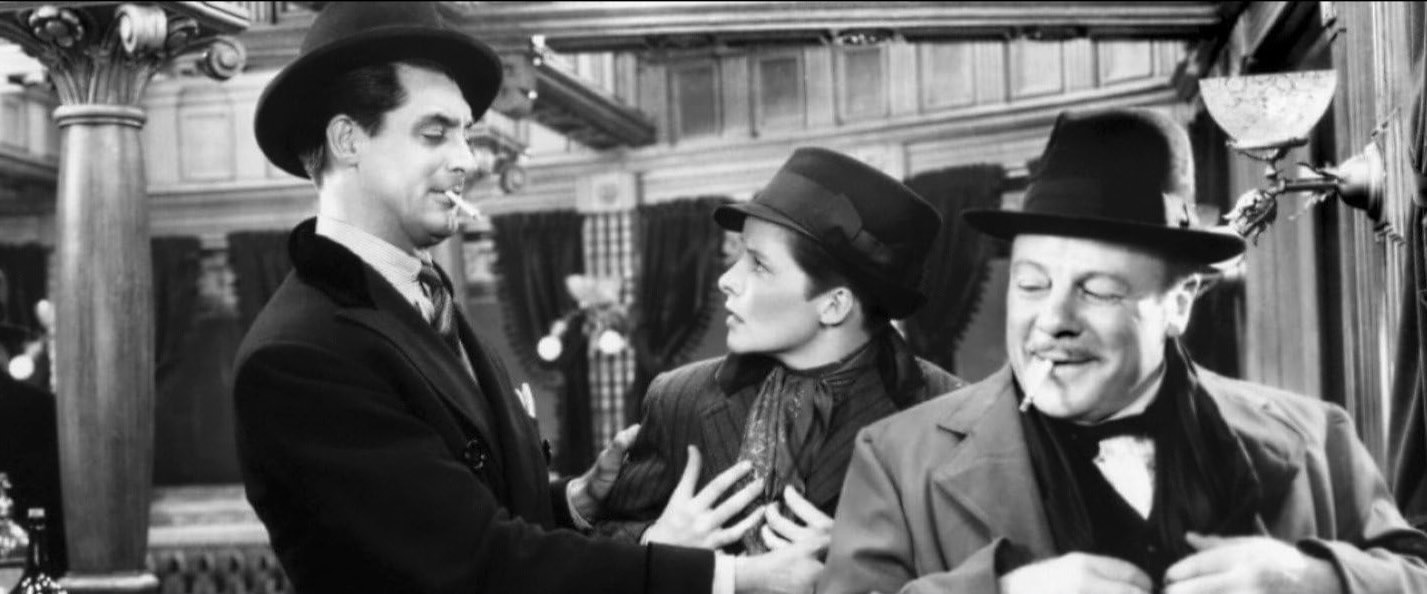
George Cukor was born on July 7, 1899, in Manhattan’s Lower East Side to a family of Hungarian Jewish immigrants. His full name was George Dewey Cukor, named after a hero of the Spanish-American War. His father, Viktor, worked as an assistant district attorney and expected George to follow a legal career. However, from an early age, Cukor showed an interest in theater, performing at age seven in a recital alongside David O. Selznick, who would later become his producer and mentor.
During high school, Cukor attended DeWitt Clinton High School but frequently skipped classes to attend afternoon theater matinees. In his final school year, he worked as an extra at the Metropolitan Opera, earning modest pay. In the 1920s, he began his theatrical career as a stage manager on Broadway, later directing summer stock companies. With the advent of sound cinema, Paramount hired him in 1929 as a dialogue director, and by 1931 he directed his first film, marking the start of a rapidly ascending career.
In 1932, he moved to RKO, where he began a long-term collaboration with Katharine Hepburn in A Bill of Divorcement. In 1933, he directed Little Women, which earned him his first Academy Award nomination for Best Director. Following Selznick’s move to MGM, Cukor followed, directing films such as Dinner at Eight, David Copperfield, Romeo and Juliet, and Camille.
His involvement with Gone with the Wind is among the most notable episodes of his career. Selznick selected him in 1936 to direct the adaptation of Margaret Mitchell’s novel, and Cukor spent two years in pre-production, casting and preparing the lead actresses. Filming began in January 1939, but after three weeks, he was replaced by Victor Fleming. Official reasons cited screenplay disagreements, but rumors also pointed to conflicts with Clark Gable and issues related to Cukor’s sexual orientation.
After Gone with the Wind, Cukor directed The Women in 1939, an all-female cast film now considered a classic. In 1940, he directed The Philadelphia Story with Cary Grant, Katharine Hepburn, and James Stewart, earning his second Oscar nomination; Stewart won Best Actor for the film. In 1944, he directed Gaslight, a psychological thriller starring Ingrid Bergman, which received seven Oscar nominations and won Best Actress.
In 1942, Cukor enlisted in the Army Signal Corps to produce military training films, but his experience was limited and he did not advance in rank. He was honorably discharged in 1944 and returned to MGM to resume his film career. In the 1950s, he directed Born Yesterday (1950), which earned Judy Holliday the Oscar for Best Actress and Cukor his third nomination for Best Director. In 1954, he worked on A Star Is Born, a troubled production he left before filming concluded; the studio imposed significant cuts without his consent.
The peak of his career came in 1964 with My Fair Lady, an adaptation of the musical starring Audrey Hepburn and Rex Harrison. The film received twelve Oscar nominations, winning eight, including Best Director for Cukor. Harrison won Best Actor.
His activity declined in later years. In 1972, he directed Travels with My Aunt starring Maggie Smith, and in 1976 The Blue Bird, the first Soviet-American co-production, filmed in the Soviet Union with an international cast. The production faced linguistic and relational challenges with the crew.
In 1975, he directed the television film Love Among the Ruins, starring Katharine Hepburn and Laurence Olivier, earning an Emmy for Outstanding Directing. In 1979, he directed The Corn Is Green, his last film with Hepburn. His final film was Rich and Famous (1981), starring Jacqueline Bisset and Candice Bergen.
In 1982, Cukor gave an interview to The Advocate, openly discussing his sexuality, denying ever pretending otherwise, and rejecting any threats of outing from contemporary columnists.
George Cukor died on January 24, 1983, in Los Angeles. His home, designed in 1935 by William Haines with gardens by Florence Yoch and Lucile Council, was a social hub for Hollywood’s gay community for decades, frequented by figures such as Somerset Maugham, Cole Porter, and Noël Coward.
Throughout his career, he received numerous honors, including the American Academy of Achievement’s Golden Plate Award in 1970, the George Eastman Award in 1976, and the Venice Film Festival’s Golden Lion for Lifetime Achievement in 1982.
Films directed by Cukor led to twenty-three Oscar nominations for actors, with eight wins. Notable nominees under his direction include James Stewart, Ronald Colman, Judy Holliday, Ingrid Bergman, Rex Harrison, Fredric March, Charles Boyer, James Mason, and Anthony Quinn. Among actresses, Katharine Hepburn, Greta Garbo, Norma Shearer, Joan Crawford, Greer Garson, Deborah Kerr, Ava Gardner, and Maggie Smith received nominations for roles in his films.
The label “women’s director” attached to Cukor was one he rejected as limiting. His skill in directing actresses and exploring themes of identity, truth, and self-deception in relationships and the entertainment industry remained a constant throughout his fifty-year career, spanning from pre-Code Hollywood to the 1980s.
© All rights reserved
You Might Be Interested

Moana, Curiosities About the Live-Action Movie
Moana is the upcoming movie.
.jpg)
50th Anniversary of Jesus of Nazareth - interview with Robert Powell
At the Italian Global Series: Giulio Base, moderator Alessandra De Luca
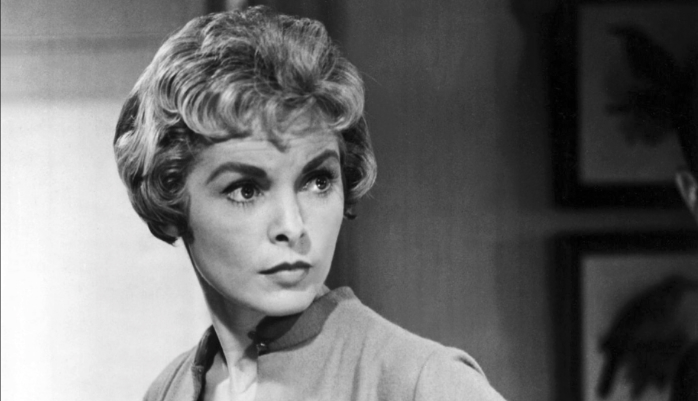
Janet Leigh: The Actress Who Defined Horror Cinema
Jeanette Helen Morrison, July 6, 1927

Box Office Most-Watched Movies, 'Minions & Monsters' and 'Young Washington' Are the Novelty
Discover the ranking of the most-watched movies in the USA, from Minions & Monsters to Toy Story 5: plot and cast
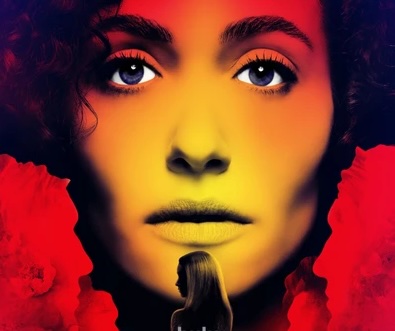
Furious TV Series: Emmy Rossum Hunts Serial Killer in New FBI Thriller
Emmy Rossum stars in Furious: psychological thriller on Disney+ from July 27 with serial killer hunt
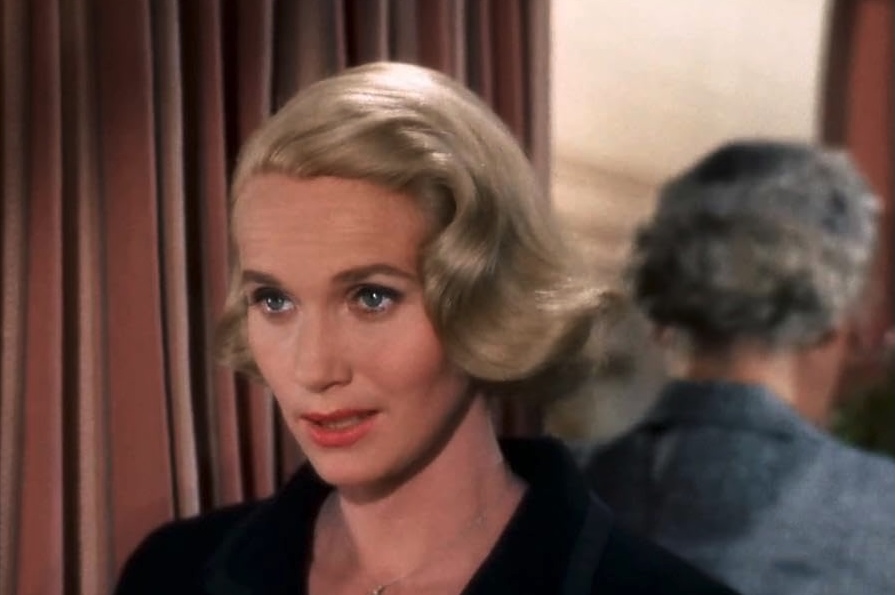
Eva Marie Saint: Over a Century of Cinema
Born July 4, 1924, Oscar Winner 1955
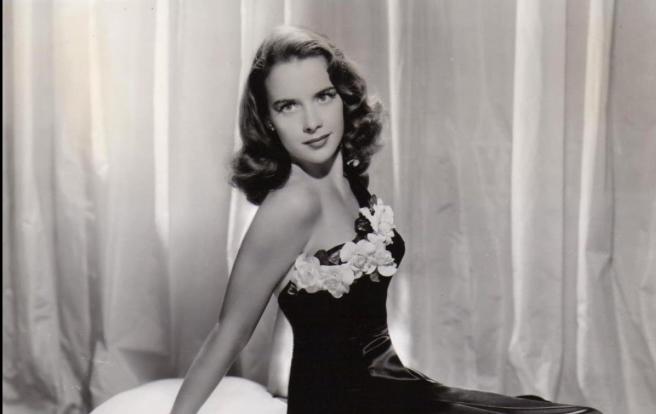
Susan Peters: When Hollywood Learned That Talent Doesn’t Walk
Born July 3, 1921
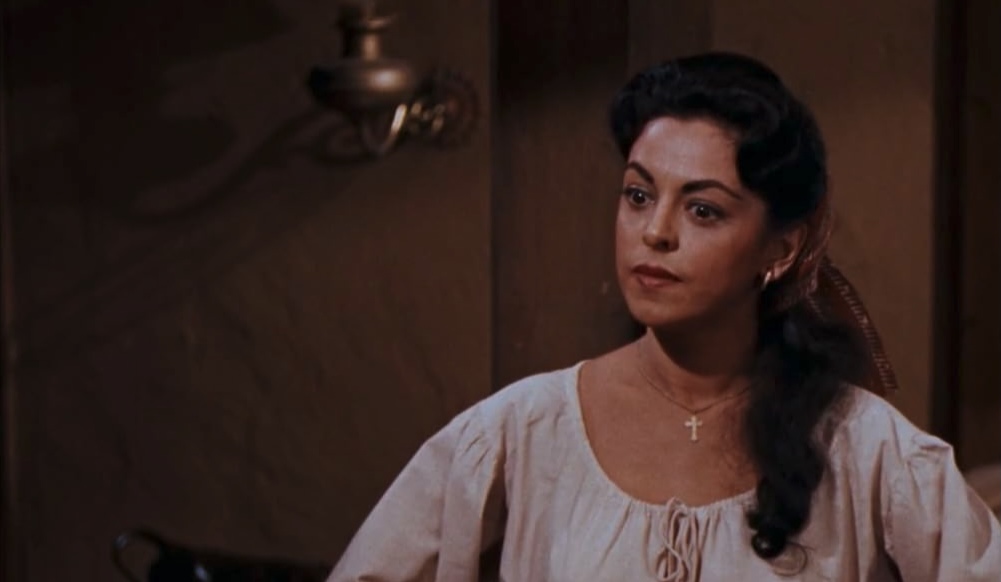
Estelita Rodriguez: the Cuban star who found her place in Hollywood’s mid‑century West
Born July 2, 1925