
The Blue Angel: A Cinematic Milestone of 1930 – Direction, Cast, and Historical Impact
Released on April 1, 1930, in Germany, with its American premiere on December 5 of the same year
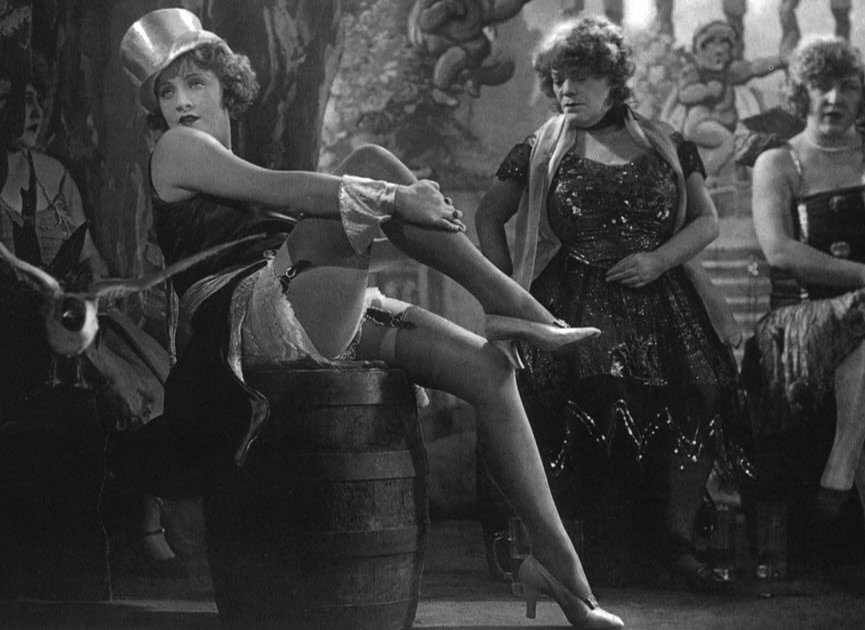
The Masterpiece of German Expressionist Cinema and Its Role in Sound Film History
The Blue Angel is a 1930 German film directed by Josef von Sternberg, adapted from Heinrich Mann’s novel Professor Unrat. Regarded as one of the masterpieces of German expressionist cinema and among the first significant sound films produced in Germany, the film is distinguished by direction that blends dark atmospheres with intense psychological realism. The principal cast features Emil Jannings as Professor Immanuel Rath and Marlene Dietrich as Lola Lola, a cabaret singer. Jannings, winner of the first Academy Award for Best Actor in 1929, delivers a dramatic and intense performance, while Dietrich, in her first major cinematic role, commands attention with a magnetic presence and charisma that propelled her to international stardom.
Plot and Social Context in 1930s German Cinema
The film narrates the story of a respected teacher who loses his dignity and social status due to his obsession with a nightlife woman. This psychological and social drama reflects the tensions of German society at the time. The Blue Angel was met with interest from both critics and audiences, achieving commercial success and marking a turning point in Dietrich’s career. Among the awards won, Emil Jannings received recognition as Best Actor at the Venice Film Festival. The soundtrack, featuring the famous song Ich bin von Kopf bis Fuß auf Liebe eingestellt performed by Dietrich, further enhanced the film’s appeal.
Filming Insights and Collaboration Between Director and Cast
During filming, von Sternberg proved to be demanding and perfectionist, controlling every detail from set design to costumes to maintain narrative coherence. The collaboration between von Sternberg and Dietrich was crucial to the film’s success and to launching the actress’s international career.
Technical Innovations and Themes of The Blue Angel in German Cinema
At the time, The Blue Angel represented an innovation for German cinema, combining elements of expressionist theater with new sound technologies. It was among the first films to explore themes of moral decay and personal crisis in a direct and realistic manner.
Contemporary Considerations and Cultural Significance of the Film
Today, The Blue Angel is considered a classic of world cinema, studied for its historical and artistic importance. The performances of Jannings and Dietrich remain subjects of analysis, while von Sternberg’s direction is recognized as an example of technical and narrative mastery. The film continues to be screened at festivals and retrospectives, maintaining its cultural relevance in the international cinematic landscape.
© All rights reserved

You Might Be Interested
.jpg)
50th Anniversary of Jesus of Nazareth - interview with Robert Powell
At the Italian Global Series: Giulio Base, moderator Alessandra De Luca
Janet Leigh: The Actress Who Defined Horror Cinema
Jeanette Helen Morrison, July 6, 1927

Box Office Most-Watched Movies, 'Minions & Monsters' and 'Young Washington' Are the Novelty
Discover the ranking of the most-watched movies in the USA, from Minions & Monsters to Toy Story 5: plot and cast
Furious TV Series: Emmy Rossum Hunts Serial Killer in New FBI Thriller
Emmy Rossum stars in Furious: psychological thriller on Disney+ from July 27 with serial killer hunt
Eva Marie Saint: Over a Century of Cinema
Born July 4, 1924, Oscar Winner 1955
Susan Peters: When Hollywood Learned That Talent Doesn’t Walk
Born July 3, 1921
Estelita Rodriguez: the Cuban star who found her place in Hollywood’s mid‑century West
Born July 2, 1925
Drama film Union County: Drug Program starring Will Poulter, Noah Centineo - plot
Union County: Will Poulter and Noah Centineo Star in Addiction Recovery Drama